At $318 billion, the stablecoin market value exceeds the FX reserves of 95 nations
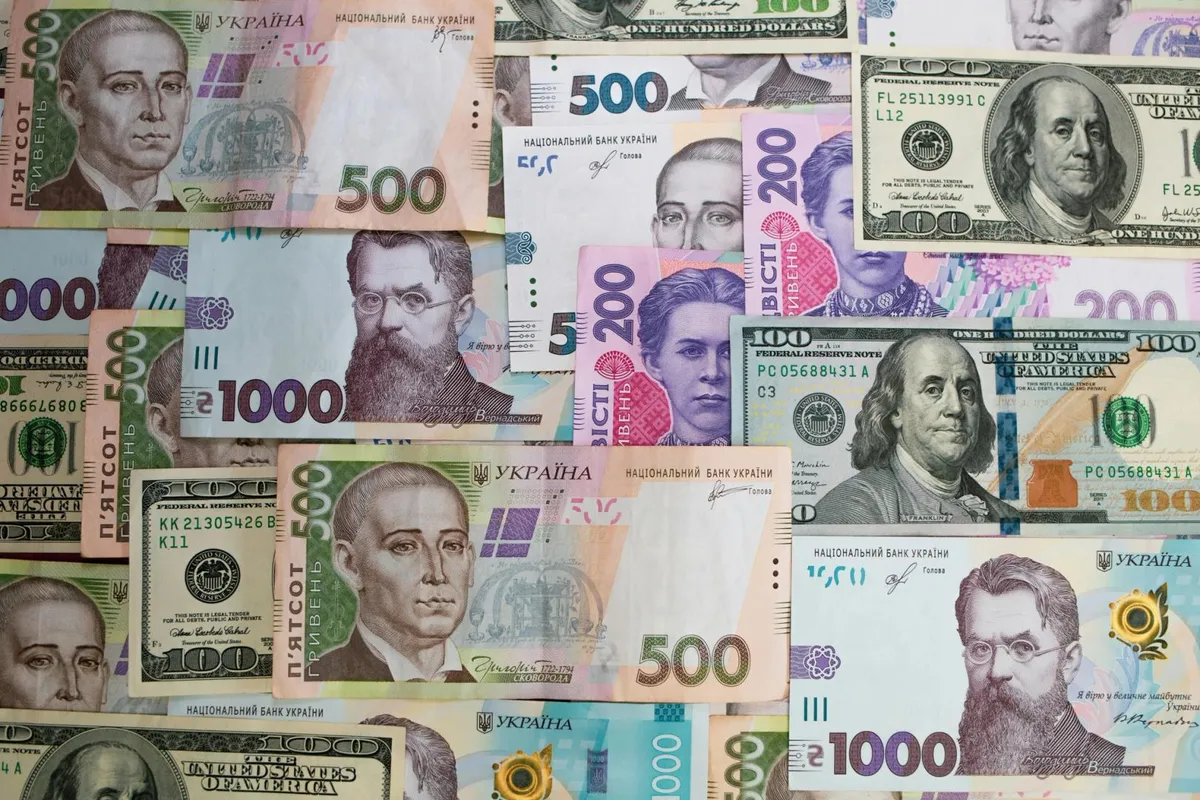
The stablecoin market has reached a remarkable milestone, now valued at approximately $318 billion. This figure surpasses the foreign exchange (FX) reserves held by 95 nations, indicating a significant shift in how value is stored and transferred globally. With users increasingly opting for stablecoins as a means of conducting transactions outside traditional banking systems, this development highlights the growing legitimacy and adoption of cryptocurrencies in mainstream finance. The rise of stablecoins, often pegged to fiat currencies like the US dollar, allows for greater stability and predictability in an otherwise volatile crypto market.
To understand the implications of this milestone, it is essential to consider the context in which stablecoins have emerged. Initially designed to provide a digital asset that minimizes the price fluctuations typical of cryptocurrencies, stablecoins have quickly gained traction among investors and traders alike. Their ability to offer liquidity and facilitate cross-border transactions has made them attractive for various use cases, from remittances to decentralized finance (DeFi) applications. As traditional banking institutions face challenges and regulatory scrutiny, stablecoins provide an alternative for those seeking more efficient and accessible financial solutions.
This development matters significantly for the market, as it underscores the increasing trust in digital currencies and their potential to reshape the global financial landscape. With such a substantial value held in stablecoins, we may witness a shift in how financial institutions and governments approach regulation and policy. The fact that the combined value now exceeds that of many nations' FX reserves could prompt discussions around the future of monetary policy, currency stability, and the role of digital assets in the economy. The implications extend beyond just market valuation; they also touch on issues of security, regulation, and the evolving nature of money itself.
Industry reactions have been varied, with many experts highlighting the transformative potential of stablecoins. Some view this as a clear indicator of a growing demand for alternative financial systems, while others express concerns about the regulatory challenges that may arise. Analysts point out that the rise of stablecoins could lead to increased scrutiny from governments and central banks, which may feel threatened by the power these digital assets wield. Moreover, discussions around the need for proper regulatory frameworks are becoming increasingly urgent, as the existing systems may not adequately address the complexities associated with stablecoins and their underlying mechanisms.
Looking ahead, the stablecoin market's growth raises questions about what the future holds for both digital currencies and traditional financial systems. As more users turn to stablecoins for their financial needs, we may see a further push for regulatory clarity and cooperation among nations. This could lead to the development of a more cohesive framework for digital assets, fostering innovation while addressing potential risks. Ultimately, the stablecoin market is poised to play a crucial role in shaping the future of finance, and its trajectory will be closely watched by stakeholders across the globe.

CoinMagnetic Team
Crypto investors since 2017. We trade with our own money and test every exchange ourselves.
Updated: May 2026
From our insights:
Related news

Crypto sector emerges as top donor with $206 million in midterms backing

Stand With Crypto’s 4 million registered advocates couldn’t get the CLARITY Act through the Senate

Kakao Pay, KakaoBank to explore stablecoin opportunities with Fireblocks

US Attorney's investigation into Binance focuses on Iran sanctions compliance

ECB initiates wholesale digital euro for banks and tokenized bond purchases