As Oil Moves Higher, Bitcoin Sinks to Lowest Price Since March

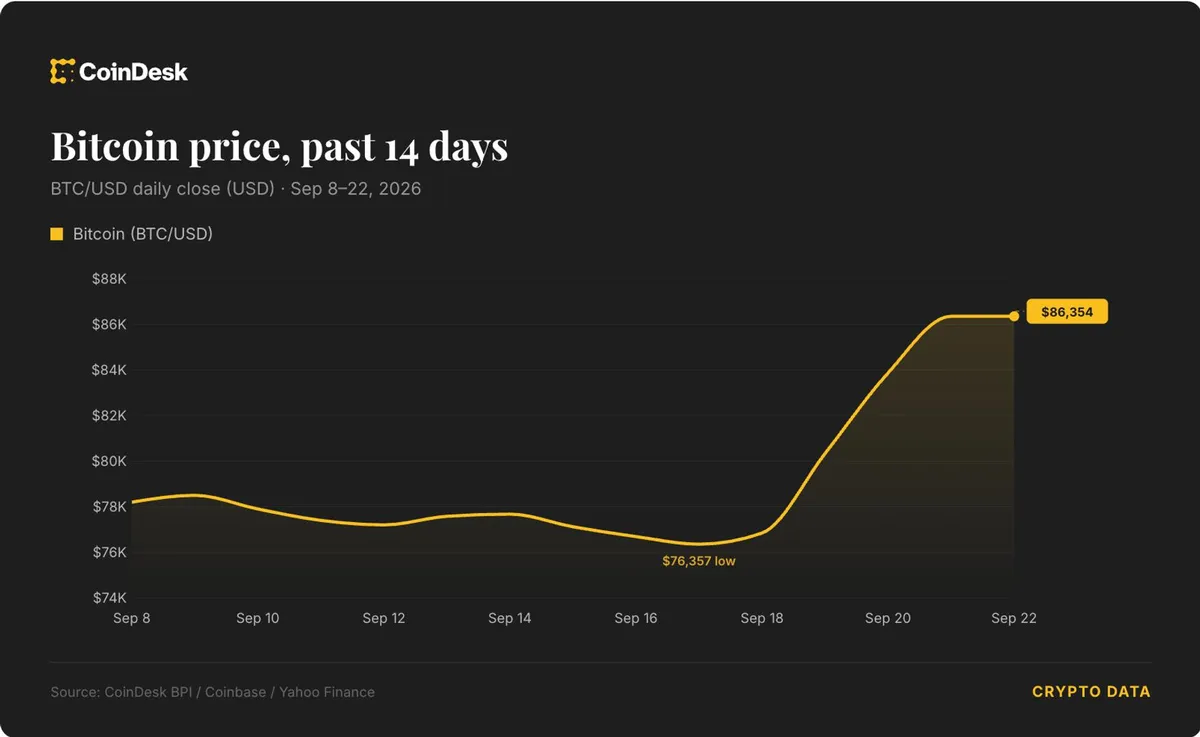
Bitcoin has recently experienced a significant decline, hitting a low not seen since March. The cryptocurrency dropped alongside U.S. stocks, largely influenced by escalating tensions in the Middle East, which have led to rising oil prices and bond yields. This confluence of events has created a market environment where risk assets, including Bitcoin, have come under pressure. Investors are reacting to the increasing volatility in global markets, which is often seen as a precursor to further declines in asset prices.
To understand the current situation, it's essential to consider the broader economic context. The recent skirmishes in the Middle East have not only raised geopolitical concerns but also affected oil supply dynamics, driving prices higher. As oil becomes more expensive, concerns about inflation and economic stability grow, leading to increased yields in the bond markets. This environment typically favors more traditional, safer investments as investors seek to hedge against potential losses in riskier assets like cryptocurrencies.
The implications of Bitcoin's dip are significant for the cryptocurrency market as a whole. A decline to a two-month low may shake investor confidence, particularly among those who see Bitcoin as a hedge against inflation. Moreover, as traditional markets react to rising oil prices, Bitcoin's correlation with these markets becomes more pronounced, suggesting that it may not be the safe haven some investors hoped it would be. This situation could lead to a reevaluation of Bitcoin's role in diversified portfolios, raising questions about its effectiveness as a store of value in turbulent times.
Industry experts have weighed in on the situation, noting that while short-term volatility is not uncommon in the crypto space, the underlying fundamentals of Bitcoin remain intact. Some analysts suggest that the current dip could provide a buying opportunity for long-term investors who believe in Bitcoin's potential as a digital asset. Others caution that sustained geopolitical tensions and macroeconomic instability could lead to further declines in the near term, urging investors to approach the market with caution.
Looking ahead, market participants will likely keep a close eye on developments in the Middle East and their implications for oil prices and inflation. Additionally, the reaction of central banks to these changing conditions will be critical in shaping investor sentiment. As Bitcoin navigates these challenges, it will be interesting to see if it can maintain support levels or if further declines are on the horizon. The next few weeks could be pivotal for the cryptocurrency as it contends with external pressures that are affecting the broader financial landscape.

CoinMagnetic Team
Crypto investors since 2017. We trade with our own money and test every exchange ourselves.
Updated: June 2026
From our insights:
Related news

SoFi begins stablecoin settlement on Mastercard network for program expected to exceed $25 billion in annualized volume

A $3.2 million 'bitcoin butterfly' option trade bets on $95,000 by the end of October

Bitcoin surges past $86,000 as $1 billion in shorts are liquidated, eyes on $90,000
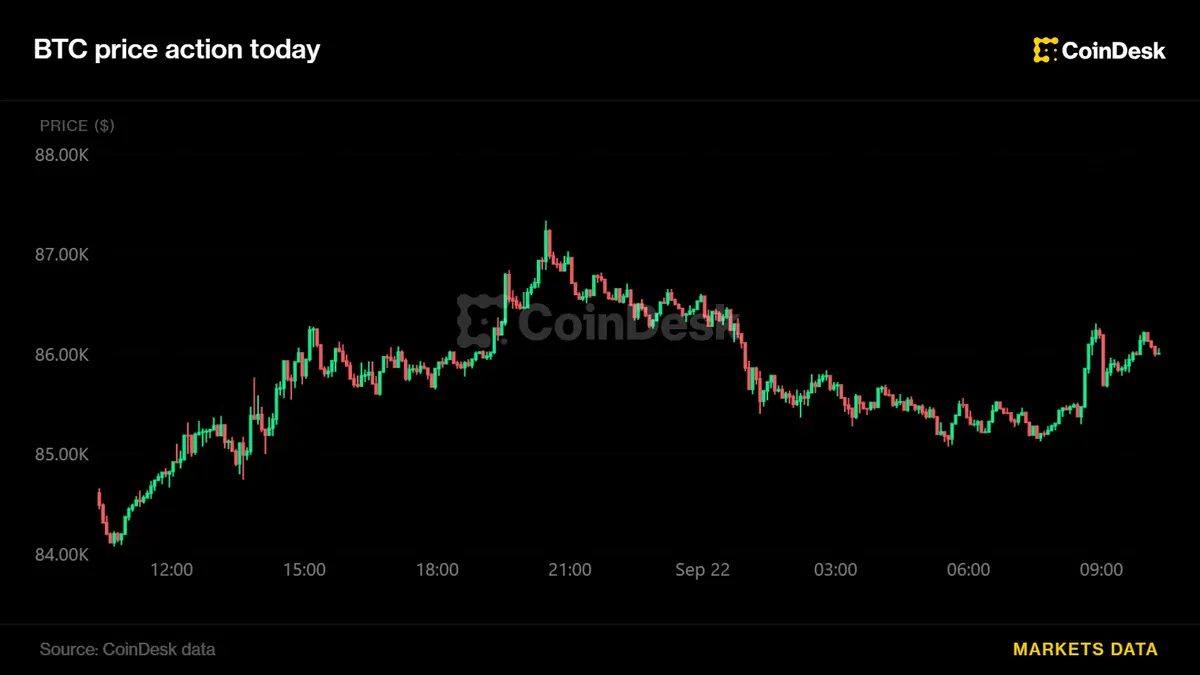
Bitcoin bounces back to $86,000 as oil prices decline and stocks rise

Prediction markets projected to reach $10 trillion by 2035, surpassing sports