As BitMEX exits, analysts warn crypto consolidation is accelerating
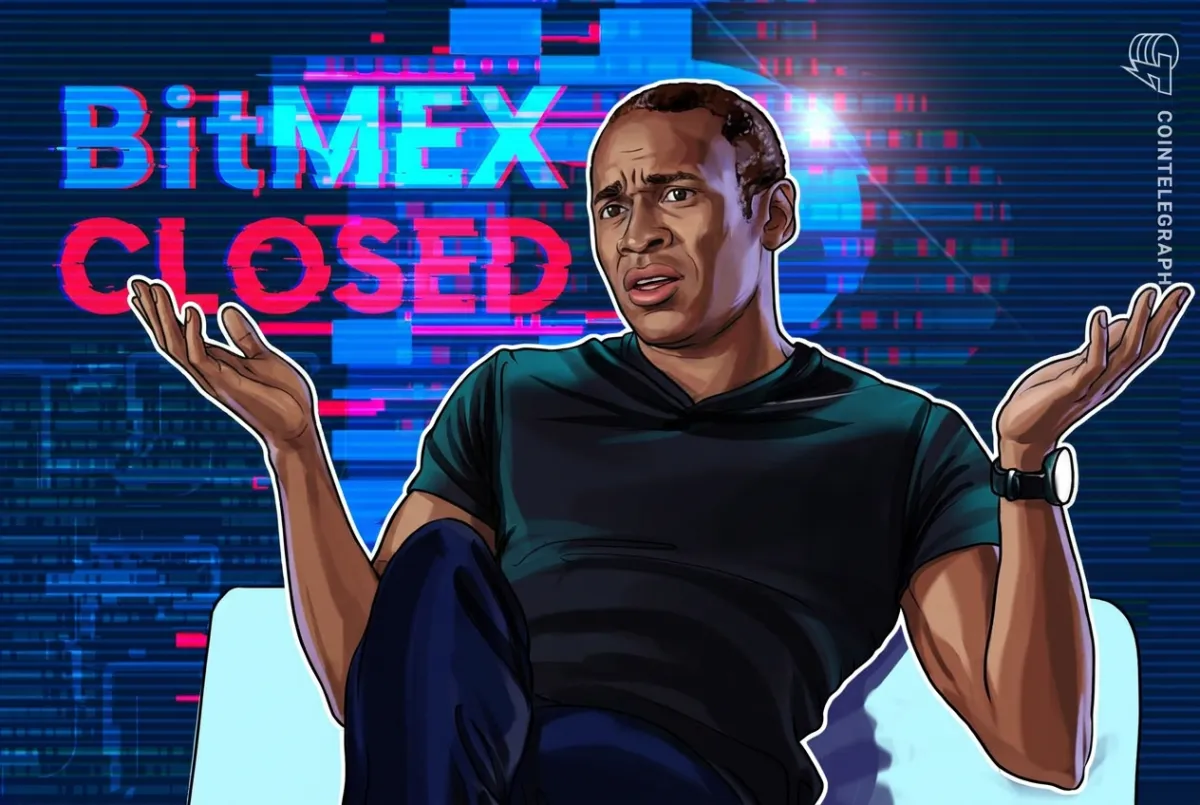
BitMEX, one of the pioneering platforms in the cryptocurrency derivatives market, has announced its shutdown, signaling a significant shift in the landscape of digital asset trading. Established in 2014, BitMEX gained prominence for its leveraged trading options and innovative products, which attracted a vast user base over the years. However, the platform's decision to exit comes amid increasing regulatory scrutiny and challenges associated with compliance. Analysts have pointed to rising costs related to adhering to regulations, which have made it more difficult for platforms like BitMEX to operate profitably in the current environment.
The background of BitMEX’s closure reflects broader trends within the cryptocurrency industry. As regulators around the globe tighten their grip on digital asset markets, many exchanges are reevaluating their business models to align with compliance requirements. This shift is particularly evident in the rise of licensed trading venues that prioritize security and regulatory adherence. Moreover, the increasing concentration of market activity on a few major exchanges has raised concerns about the sustainability of smaller platforms, pushing them to either adapt or exit the market altogether.
The implications of BitMEX’s closure for the crypto market are significant. Analysts suggest that this development could accelerate the trend towards consolidation within the industry, as smaller exchanges struggle to compete with larger, regulated entities. This shift may lead to reduced options for traders and could impact liquidity across the market. Additionally, as major players continue to dominate, the risk of market manipulation and systemic failures may increase, prompting further regulatory responses from authorities.
Industry reactions to BitMEX’s exit have been mixed. Some experts view it as a necessary evolution toward a more mature and regulated market, emphasizing that compliance is essential for long-term sustainability. Others express concerns that this consolidation could stifle innovation and limit choices for traders, particularly those who prefer more diverse trading options. The sentiment within the crypto community reflects a broader apprehension about the future of decentralized finance and the core principles upon which it was built.
Looking ahead, the closure of BitMEX raises questions about the future of derivatives trading in the cryptocurrency space. As more exchanges navigate the regulatory landscape, it will be interesting to observe how this impacts liquidity, market dynamics, and trader behavior. Additionally, the rise of alternative trading platforms that prioritize compliance may pave the way for a new era in crypto trading, where innovation and regulation can coexist. The industry will be closely monitoring how these developments unfold and their subsequent effects on the broader market.

CoinMagnetic Team
Crypto investors since 2017. We trade with our own money and test every exchange ourselves.
Updated: July 2026
From our insights:
Related news

Bybit targets broker partnerships to challenge Robinhood in the United States

Andrew Cuomo views issuer pushback as expected for tokenized stock plans

OKX launches Shield protection plan in the US as Cuomo highlights trust

Stablecoin off-hours transfers drive average hourly volume past $400 million

Kazakhstan court restricts Coinbase and BingX alongside four other crypto platforms