Arkham maps Iran central bank wallets after $344M USDT freeze

Recent developments have emerged from Arkham Intelligence, which has unveiled a detailed mapping of wallets linked to Iran’s central bank. This comes in the wake of a significant $344 million freeze of USDT, a stablecoin widely used in the cryptocurrency market. Arkham’s findings connect these wallets to entities sanctioned by the Office of Foreign Assets Control (OFAC), thus placing Tehran’s purported on-chain reserves and associated counterparties into the public domain. The implications of this mapping are profound, as it shines a light on the mechanisms through which sanctioned entities may be operating in the crypto space.
To understand the significance of this mapping, it is essential to consider the broader context of international sanctions and their enforcement. Iran has faced extensive sanctions over its nuclear program, which have restricted its access to global financial systems. In recent years, the country has turned to cryptocurrencies as a potential workaround to these restrictions, utilizing stablecoins to facilitate transactions on the blockchain. The revelations made by Arkham not only expose the wallets but could also lead to heightened scrutiny from regulators and enforcement agencies, who are increasingly focused on the intersection of cryptocurrency and sanctioned activities.
The importance of these developments for the market cannot be understated. As more information about sanctioned entities and their activities becomes available, it could lead to increased volatility in the crypto space. Market participants might react by reassessing their exposure to cryptocurrencies associated with these wallets, which could result in significant price fluctuations. Furthermore, the transparency brought about by Arkham’s mapping might deter some investors from engaging with projects that have ties to sanctioned entities, potentially affecting liquidity and market confidence.
Industry experts have weighed in on the potential ramifications of Arkham’s findings. Many view this as a crucial step toward greater transparency in the cryptocurrency ecosystem, arguing that exposing sanctioned entities is necessary for the integrity of the market. Others have expressed concern that this level of scrutiny might stifle innovation in the sector, as projects may become hesitant to engage with counterparts that could be flagged by regulators. The balance between fostering a thriving crypto environment and adhering to legal compliance is a delicate one, and Arkham’s mapping intensifies the conversation around it.
Looking ahead, it remains to be seen how regulators will respond to this new information. There might be increased collaboration among international enforcement agencies to monitor and track the activities of sanctioned entities more closely. Additionally, as the crypto landscape continues to evolve, we can anticipate further developments in the regulatory framework governing cryptocurrencies. Arkham’s findings could be just the beginning of a more extensive investigation into the relationships between cryptocurrencies and sanctioned nations, which may shape the future of the industry significantly.

CoinMagnetic Team
Crypto investors since 2017. We trade with our own money and test every exchange ourselves.
Updated: May 2026
From our insights:
Related news
ECB and EU central banks propose liquidity thresholds for stablecoins
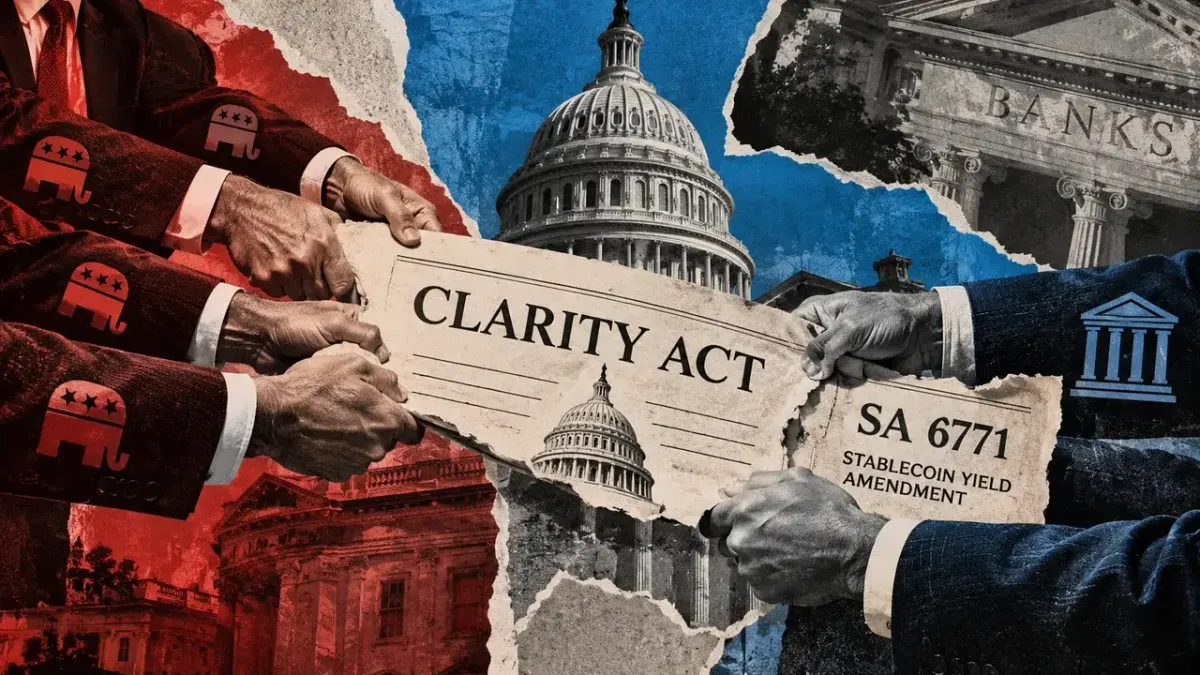
Four GOP senators backing CLARITY Act seek changes to stablecoin provisions
US investigates Binance for potential Iran-linked trading violations

Crypto sector emerges as top donor with $206 million in midterms backing
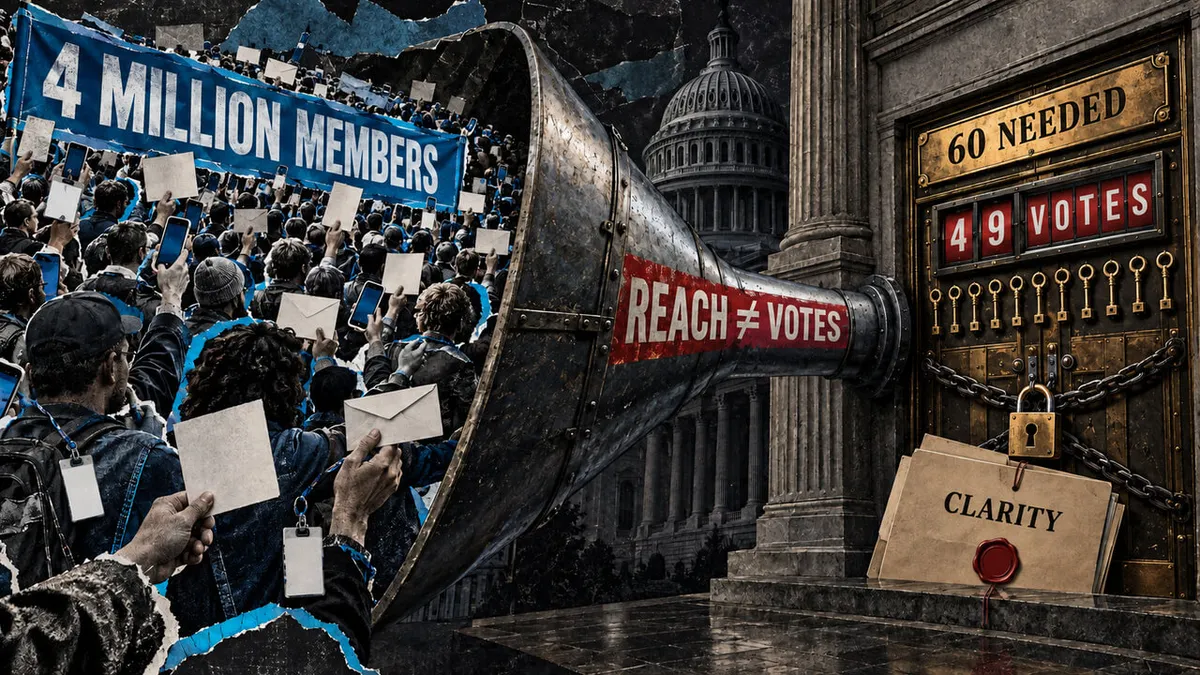
Stand With Crypto’s 4 million registered advocates couldn’t get the CLARITY Act through the Senate