Are 24/7 CME Bitcoin futures a volatility cure — or a new leverage trap?

CME Group's recent launch of 24/7 trading for its Bitcoin futures and options has stirred significant discussion within the crypto community. Initiated on May 29, this move allows traders on Wall Street to engage with Bitcoin around the clock. The first weekend saw impressive activity, with over 7,200 contracts traded, amounting to approximately $50 million in notional value. However, this surge in trading coincided with a notable decline in Bitcoin's price, raising questions about whether this round-the-clock access serves as a remedy for market volatility or merely introduces new risks associated with leverage.
To understand the implications of this development, it is essential to consider the context in which it occurs. Historically, Bitcoin futures trading has been limited to specific hours, which often left traders unable to respond to market fluctuations during off-hours. The introduction of 24/7 trading reflects a growing recognition of the demand for flexible trading hours, particularly as institutional interest in cryptocurrencies continues to rise. However, this flexibility also brings with it the potential for increased volatility, particularly in a market that is already known for its price swings.
The impact on the market cannot be understated. Continuous trading might provide more opportunities for profit but also risks exacerbating price fluctuations. The ability to trade at any time can lead to rapid reactions to news or events, both positive and negative. This could create an environment where price discovery is more dynamic but also more unpredictable. As traders utilize leverage in a 24/7 setting, the potential for cascading liquidations during volatile market conditions increases, raising concerns about the stability of the market overall.
Experts in the field are weighing in on the potential consequences of this new trading model. Some analysts argue that the ability to trade Bitcoin futures around the clock could enhance liquidity and provide a more efficient market environment. Others, however, caution that increased leverage could lead to reckless trading behavior, particularly among retail investors who may not fully understand the risks associated with 24/7 access. This divergence of opinion highlights the ongoing debate about the balance between accessibility and risk management in the cryptocurrency space.
Looking ahead, the implications of 24/7 trading for Bitcoin futures will likely depend on how market participants adapt to the new landscape. Observers will be closely monitoring trading volumes and price movements to assess whether this change leads to greater market stability or a surge in speculative behavior. As the landscape evolves, the crypto community will need to remain vigilant in navigating the complexities introduced by continuous trading, ensuring that the benefits do not come at the cost of increased volatility and risk.

CoinMagnetic Team
Crypto investors since 2017. We trade with our own money and test every exchange ourselves.
Updated: June 2026
From our insights:
Related news

Bitcoin surges past $86,000 as $1 billion in shorts are liquidated, eyes on $90,000
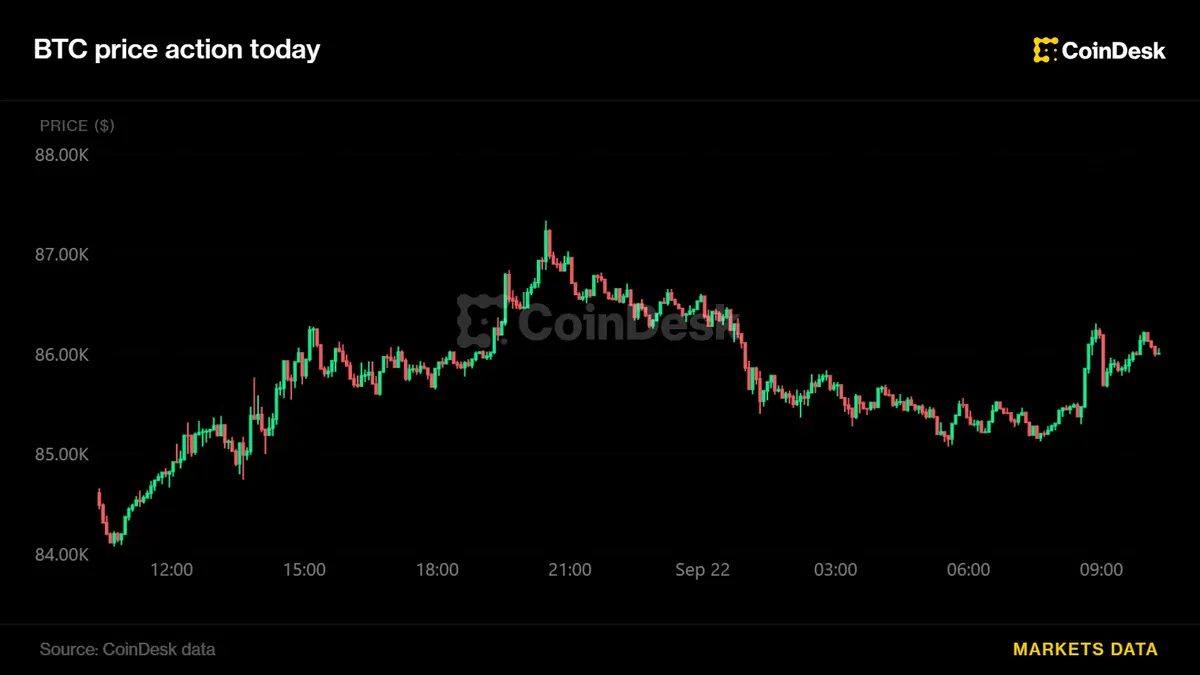
Bitcoin bounces back to $86,000 as oil prices decline and stocks rise

Prediction markets projected to reach $10 trillion by 2035, surpassing sports
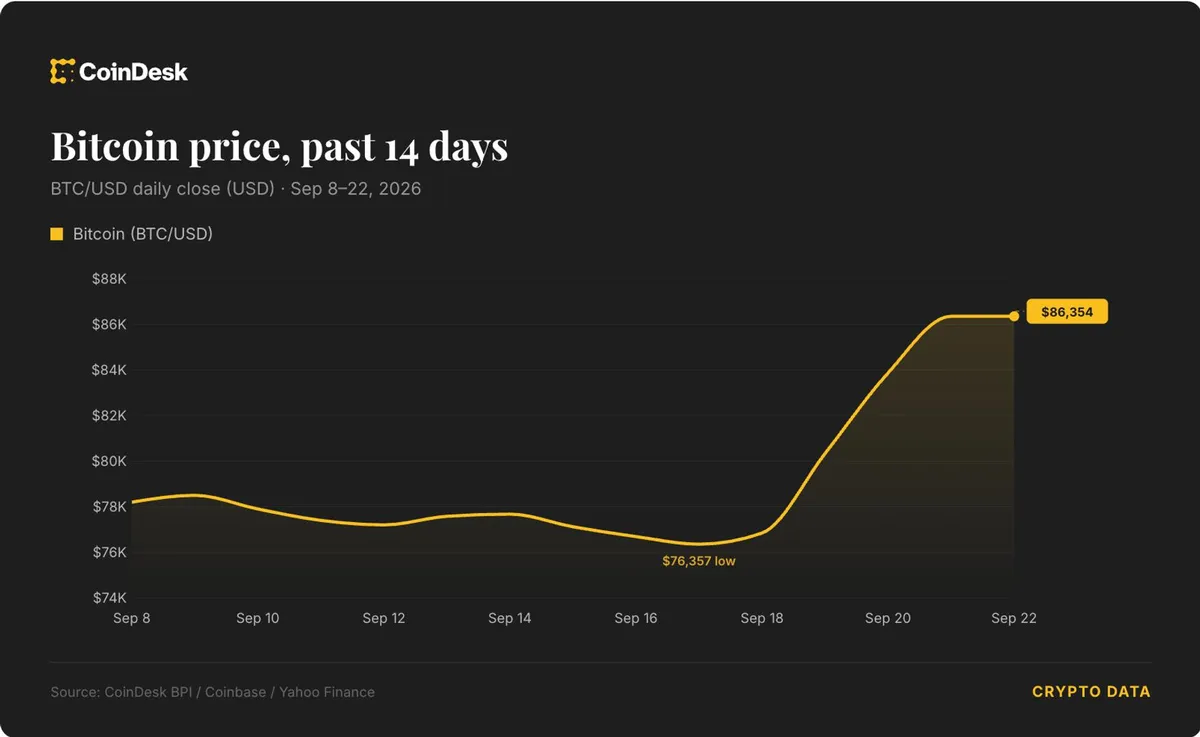
Iran hints at reopening Strait of Hormuz, WTI oil drops to $89

New altseason signal emerges as Bitcoin market cap stays under 60%