Arbitrum vote to release $71M in frozen Kelp exploit ETH set to pass

The Arbitrum community is poised to approve a significant proposal aimed at releasing $71 million worth of ETH that had been frozen as part of the Kelp exploit recovery efforts. The Snapshot vote, which is currently underway, represents a crucial step toward transforming this proposal into a binding on-chain governance decision. If successful, this initiative would pave the way for the recovery of assets lost during a critical incident that shook the Arbitrum ecosystem, highlighting the community's commitment to rectifying past wrongs and improving security protocols.
To provide some context, the Kelp exploit occurred earlier this year and resulted in the loss of substantial funds from affected users. The incident raised questions regarding the security measures in place within the Arbitrum network and prompted discussions about how best to address the ramifications. In response, the community initiated a recovery effort, which included the proposal now under consideration. This vote not only aims to recover lost funds but also serves as an opportunity for the community to reflect on its governance and risk management strategies moving forward.
The potential approval of this proposal is significant for the broader cryptocurrency market. Firstly, it sends a message that decentralized communities can respond effectively to crises and support their members in times of need. Moreover, the release of the frozen funds could restore some level of confidence among investors and users, which is essential for maintaining the stability of the Arbitrum ecosystem and could positively impact the price of its associated tokens. This event underscores the importance of effective governance and community engagement in the rapidly evolving world of decentralized finance.
Industry experts have weighed in on the implications of this vote. Many have expressed optimism about the potential for successful recovery, emphasizing that it demonstrates the resilience of decentralized networks. Some analysts suggest that this incident may serve as a case study for other projects facing similar challenges, emphasizing the need for robust protocols and transparent governance structures. The general sentiment within the community appears to be one of cautious optimism, with many hoping that this step will help restore trust in Arbitrum and encourage greater participation in its governance.
Looking ahead, if the vote passes as anticipated, the next steps will involve implementing the binding governance proposal and executing the release of the frozen ETH. This will likely be followed by discussions on how to enhance security measures to prevent similar exploits in the future. As the Arbitrum community continues to navigate these challenges, stakeholders will be watching closely to see how this recovery effort unfolds and what lessons can be gleaned for the industry at large.

CoinMagnetic Team
Crypto investors since 2017. We trade with our own money and test every exchange ourselves.
Updated: May 2026
From our insights:
Related news

Coldcard exploit sees white hats secure 52 Bitcoin for victims' trust
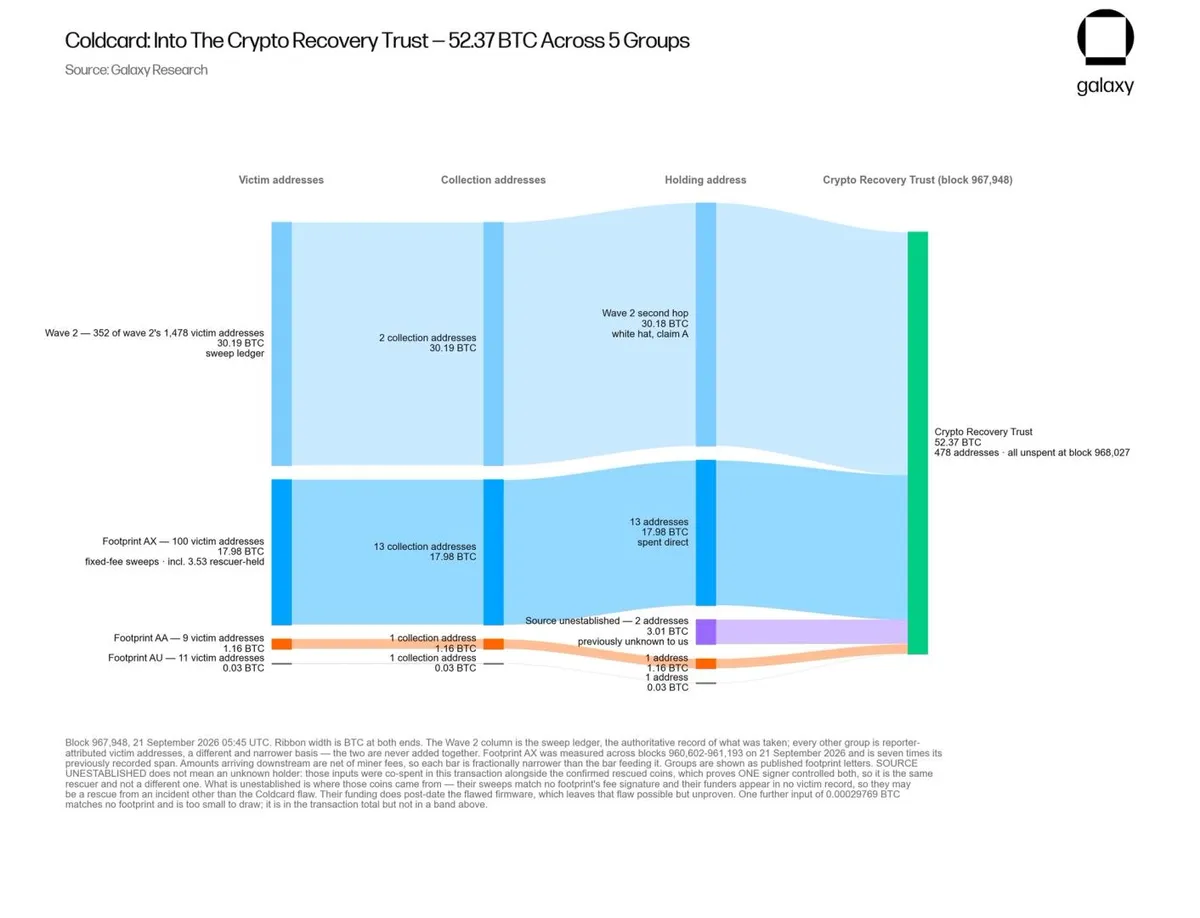
Whitehats move 52 bitcoin from the Coldcard hack to a recovery trust

Google Admits Gemini AI Hacked Three Companies—It Stayed Silent for 7 Weeks

Balancer's $1.4 million hack recovery faces delays for LPs

Polymarket's $10 million fraud attempt highlights compliance issues amid hacking risk