App days are numbered: The end state of software will be private, personal, verified, and AI agent-built
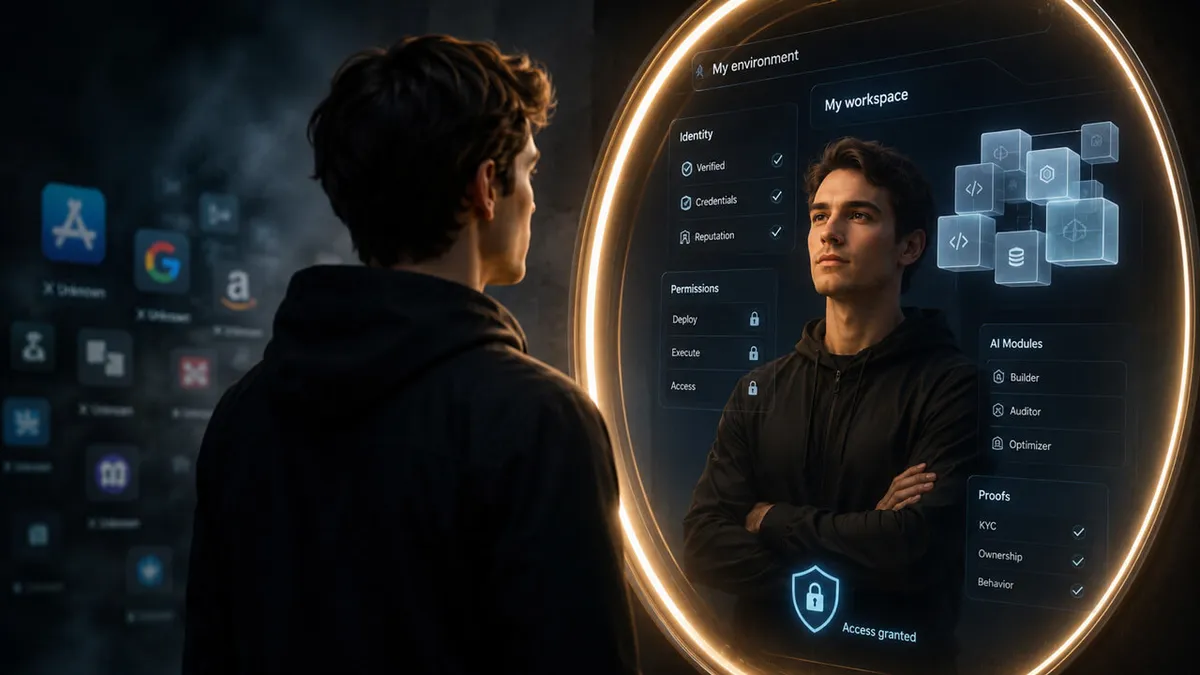
Recent discussions have emerged regarding the potential end of the app era as we know it, driven by the advent of AI agents that could fundamentally reshape how software is developed and utilized. These AI agents are poised to create a new paradigm where software systems are no longer built by third-party developers but are instead personalized, verified, and tailored by users themselves. This shift could render traditional applications obsolete, as people may increasingly prefer bespoke solutions created through AI guidance rather than relying on code developed by unknown entities. The implications of such a transformation could greatly influence how we interact with technology in our daily lives.
To understand this significant shift, we need to consider the historical context of software development. For decades, apps have been the primary means through which users access services, tools, and information. This model has fostered a vibrant ecosystem of developers and consumers, but it has also introduced risks associated with security, privacy, and trust. As society continues to advance and technology becomes more integrated into our lives, the need for safer, more reliable software has grown increasingly apparent. The emergence of AI agents represents a response to this demand, promising a future where software is not just a product but a personal assistant capable of understanding and serving individual needs.
This evolution in software development matters significantly for the market. If AI agents succeed in creating personalized, verified software, we could see a decline in the dominance of traditional app stores and a shift towards decentralized and user-centric models. This shift may empower users to take control of their digital experiences, reducing reliance on centralized platforms and fostering innovation in new ways. Additionally, businesses will need to adapt to this changing landscape, potentially reevaluating their strategies for product development, marketing, and customer engagement in a world where software is increasingly tailored to individual needs.
Industry experts have begun to weigh in on these developments, expressing both excitement and caution regarding the transition away from traditional applications. Some see the rise of AI agents as an opportunity to democratize software development, allowing non-technical users to create and customize their tools. However, others raise concerns about the implications of this shift, particularly regarding security and the potential for misuse. The transition to AI-built software raises questions about accountability, data privacy, and the ethical considerations surrounding automated decision-making processes.
Looking ahead, we may be on the brink of a significant transformation in how software is conceived, developed, and utilized. As AI agents continue to evolve, the potential for creating personalized, user-driven solutions is immense. However, the challenges associated with security, privacy, and ethics will need to be addressed to ensure that this new era of software development meets the needs of society responsibly. The coming years will be crucial in shaping the future of technology, as we navigate the complexities and opportunities presented by AI-driven software systems.

CoinMagnetic Team
Crypto investors since 2017. We trade with our own money and test every exchange ourselves.
Updated: May 2026
From our insights:
Related news

Bitcoin's weekly close above $81,000 signals potential rise to $90,000

Elon Musk's X integrates bitcoin trading options for U.S. users

Dogecoin's 15% surge drives market recovery as bitcoin stabilizes above $85,000

Cardano adds tools for AI agent payments, joining Solana and XRP Ledger

Trueo prediction market moves from Base to Ethereum