Another crypto wallet pulls the plug tomorrow with no exact cutoff, leaving users racing to rescue tokens

A prominent crypto wallet has announced that it will cease operations starting tomorrow, leaving users in a scramble to retrieve their assets. According to the latest updates, users will have until August 2 to transfer their tokens or secure their recovery phrases before access to sending, swaps, and decentralized application (dApp) functions will be revoked. The announcement has triggered a wave of urgency among users as they rush to ensure their holdings are safe before the abrupt cutoff, which the company has not specified in terms of a precise time.
This development follows a trend we have seen in the crypto industry, where several wallets and platforms have faced operational challenges, often due to regulatory pressures or financial instability. The lack of a clear timeline for the shutdown has raised concerns about the potential impact on users who may be unaware of the deadline or unable to act in time. Such scenarios are a stark reminder of the risks associated with the custody of digital assets, especially when relying on third-party services.
The implications for the market are significant. A sudden withdrawal of a wallet service can lead to increased selling pressure as users rush to liquidate their assets. This may contribute to short-term volatility in token prices, especially for those assets heavily held within the wallet. Additionally, this incident may fuel skepticism among potential new users considering entering the crypto space, as they witness the operational fragility of certain platforms. Confidence in wallet services is essential for the broader adoption of cryptocurrencies, and incidents like these can hinder that progress.
Industry experts are weighing in on the situation, expressing both concern and understanding. Some analysts believe that this incident highlights the need for users to take greater control of their digital assets, advocating for non-custodial wallets that allow individuals to manage their private keys directly. Others point out that the regulatory landscape is still evolving, and companies must navigate these changes carefully to avoid similar shutdowns. The consensus among experts appears to be that the crypto community must prioritize security and educate users about best practices in asset management.
As we look to the future, the immediate focus will be on how many users can successfully move their assets before the cutoff. Additionally, this incident could prompt a broader conversation within the industry about the sustainability and security of wallet services. Moving forward, we expect to see increased calls for transparency from wallet providers, as well as a push for improved user education on asset management and the importance of self-custody solutions. The legacy of this event will depend on how effectively users can respond and adapt in the face of these challenges.

CoinMagnetic Team
Crypto investors since 2017. We trade with our own money and test every exchange ourselves.
Updated: August 2026
From our insights:
Related news

Bitcoin miners secure over $100 billion in AI contracts with minimal revenue
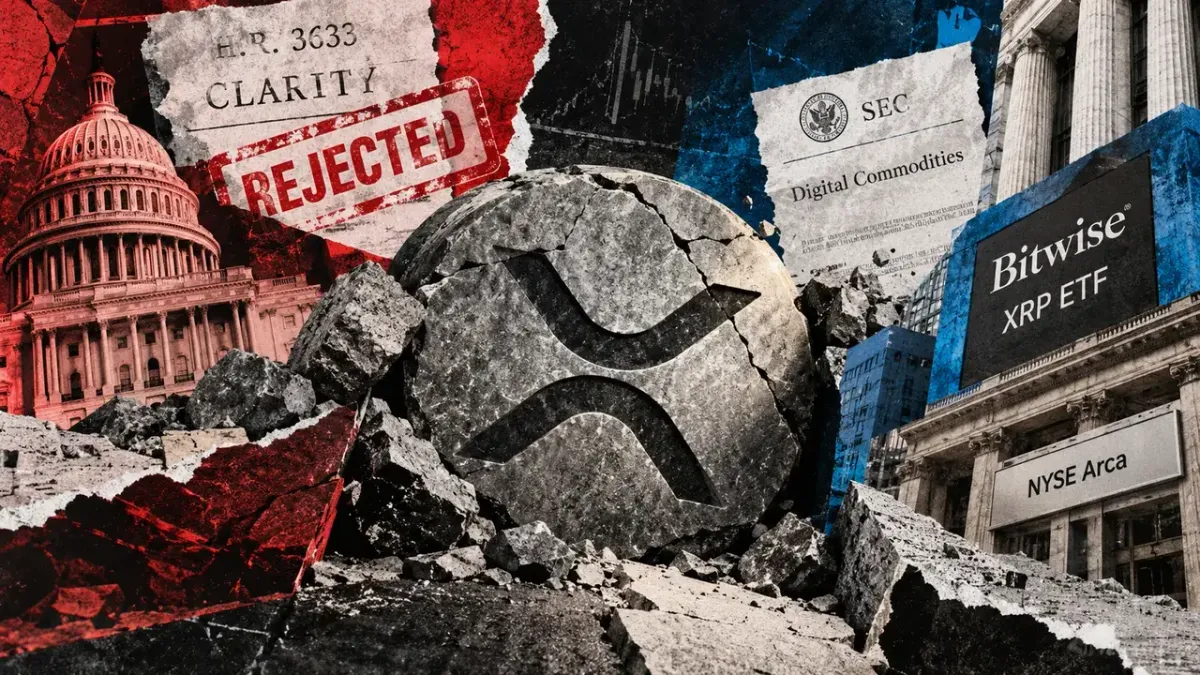
XRP experiences sharp decline following CLARITY vote amid regulatory challenges

Bitcoin faces $6.3 billion IBIT options wall amid Fed strategy shift

JPMorgan indicates Clarity Act has slim chance of passing this year

Zuckerberg defends Meta's AI development pace amid calls for slowdown