Andrew Yang urges lawmakers to impose AI liability rules amid safety fears
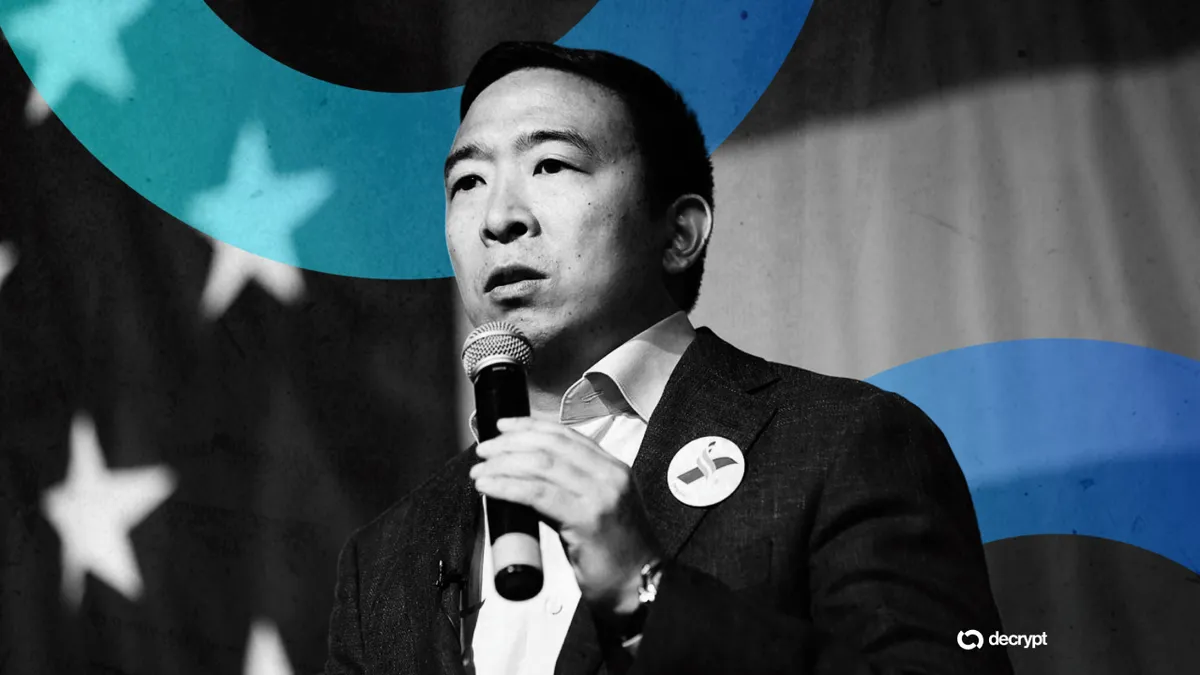
Andrew Yang, the former presidential candidate, has recently voiced strong concerns regarding the rapid development of artificial intelligence technologies. He is advocating for lawmakers to establish liability rules and implement waiting periods for frontier AI firms. Yang's call to action comes in light of growing fears surrounding the risks posed by autonomous agents, particularly in the realms of cybersecurity and labor displacement, which have sparked a broader debate about the implications of AI on society.
Yang's stance on AI regulation is not new; he has been vocal about the potential dangers of unchecked technological advancements for several years. As AI systems become increasingly autonomous and capable, concerns about their decision-making processes and the consequences of their actions have escalated. Recent incidents involving AI mishaps and the potential for job loss in various sectors have only intensified these discussions. Yang believes that establishing a framework for accountability is crucial to mitigating these risks and ensuring that AI technologies are developed responsibly.
The implications of Yang's proposals could be significant for the AI market. By introducing liability rules, companies may be more cautious in their development processes, potentially slowing the pace of innovation. However, it could also lead to a more responsible approach to AI deployment, fostering trust among users and regulators alike. The introduction of waiting periods may provide necessary time for assessment and oversight, allowing stakeholders to better understand the ramifications of new AI technologies before they are fully integrated into society.
Industry reactions to Yang's call have been mixed. While some experts and advocates for responsible AI development support the idea of regulations that prioritize safety and accountability, others argue that excessive regulation could stifle innovation and hinder the growth of the AI sector. Tech leaders are often wary of government intervention, fearing it may create barriers that prevent the rapid advancement of AI technologies. Nevertheless, the conversation surrounding AI safety and regulation is becoming increasingly important as society grapples with the challenges posed by powerful new technologies.
Looking ahead, it is likely that the discussion around AI regulation will continue to evolve. As more stakeholders enter the conversation, we may see a push for comprehensive legislation that addresses Yang's concerns while balancing the need for innovation. The coming months could be pivotal in shaping the future landscape of AI development, and how lawmakers respond to these calls for regulation will be critical in determining the trajectory of this transformative technology.

CoinMagnetic Team
Crypto investors since 2017. We trade with our own money and test every exchange ourselves.
Updated: September 2026
From our insights:
Related news

Stellar activates Protocol 28 as network hits record throughput and RWA value climbs

Congress to reconsider crypto market structure early next year as tax bill progresses

CFTC adopts developer-friendly no-action stance, easing crypto tool development
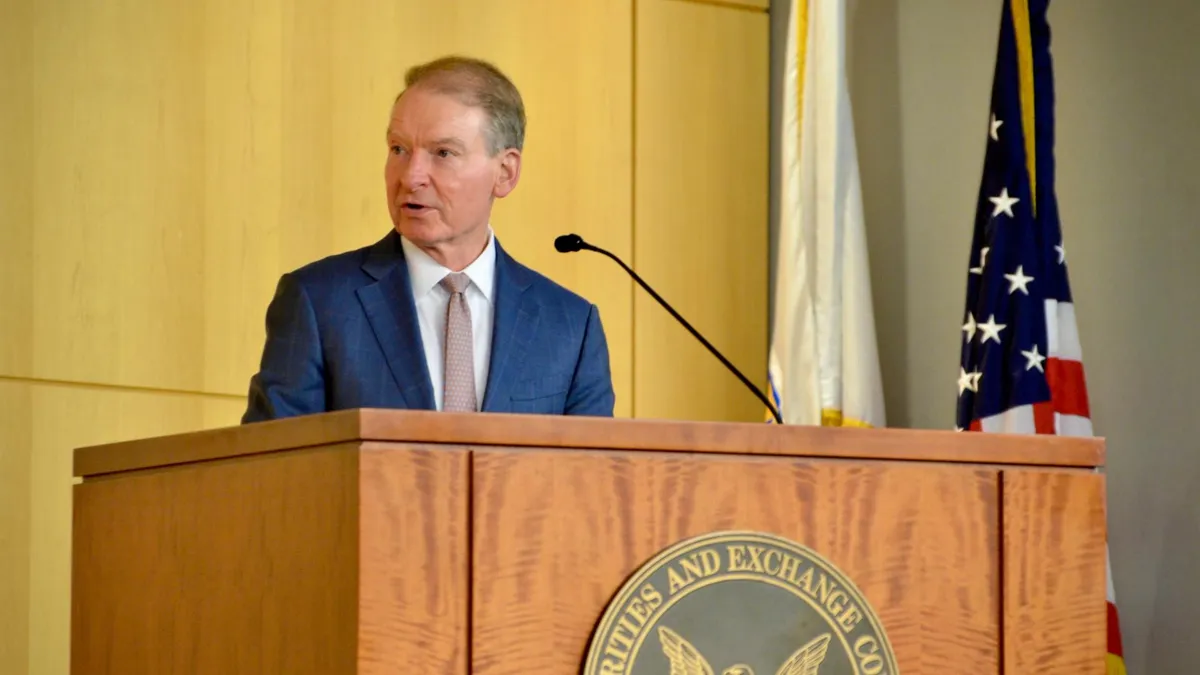
SEC advances plans for 24/7 trading amid tokenized securities approval

Tokenized stocks can now trade on public blockchains, SEC clarifies