‘Anarchistic neobanks’ are bitcoin’s next frontier, says Blockrise CEO

In a recent interview at BTC Prague, Blockrise CEO Jos Lazet shared his insights on the emerging concept of “anarchistic neobanks,” which he believes could signify the next frontier for Bitcoin. Lazet envisions a future where Bitcoin-native institutions evolve to provide financial services that stand in stark contrast to traditional banking models. He argues that these institutions will leverage Bitcoin’s decentralized nature to offer users autonomy and control over their financial destinies, thus creating a new paradigm in the financial landscape.
The rise of neobanks has reshaped the banking sector in recent years, with many consumers gravitating toward digital-first solutions that offer lower fees and more accessible services. However, the integration of Bitcoin into this model presents a unique evolution. With the ongoing expansion of the cryptocurrency ecosystem, there is a growing sentiment that Bitcoin can serve not just as a store of value but also as a fundamental component of a new banking system. Lazet's perspective adds to the conversation by suggesting that these Bitcoin-focused neobanks could operate outside the constraints of regulatory frameworks that govern traditional financial institutions.
This development is significant for the market as it highlights an increasing demand for decentralized financial services. Investors and users are becoming more aware of the limitations and inefficiencies of the current banking system, and as they seek alternatives, Bitcoin-native institutions may attract a substantial user base. This trend could drive further innovation within the cryptocurrency space, propelling Bitcoin into mainstream adoption as a viable alternative to conventional banking.
Industry reaction to Lazet's comments has been largely positive, with many experts agreeing that the concept of anarchistic neobanks reflects a broader shift toward decentralized finance (DeFi). Some analysts suggest that this movement could encourage the development of new regulatory frameworks that embrace innovation without stifling it. Others caution that while the vision is compelling, challenges related to security, compliance, and consumer trust remain critical hurdles that must be addressed before these institutions can gain widespread acceptance.
Looking ahead, it will be interesting to see how the concept of anarchistic neobanks evolves in practice. As technology advances and consumer preferences shift, we may witness the emergence of new financial products and services that prioritize decentralization and user empowerment. The next few years will likely be pivotal in determining how Bitcoin integrates into the broader financial ecosystem, and whether these neobanks can successfully disrupt traditional banking models while maintaining the ethos of the cryptocurrency movement.

CoinMagnetic Team
Crypto investors since 2017. We trade with our own money and test every exchange ourselves.
Updated: June 2026
From our insights:
Related news
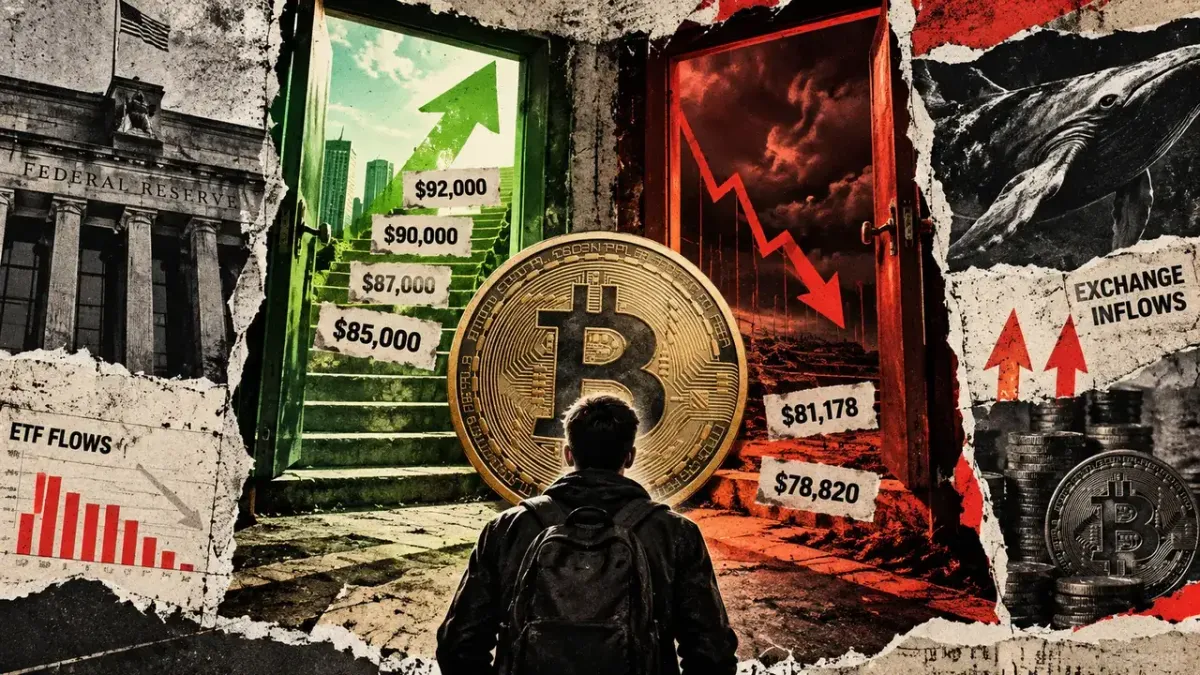
Bitcoin's weekly close above $81,000 signals potential rise to $90,000

Elon Musk's X integrates bitcoin trading options for U.S. users
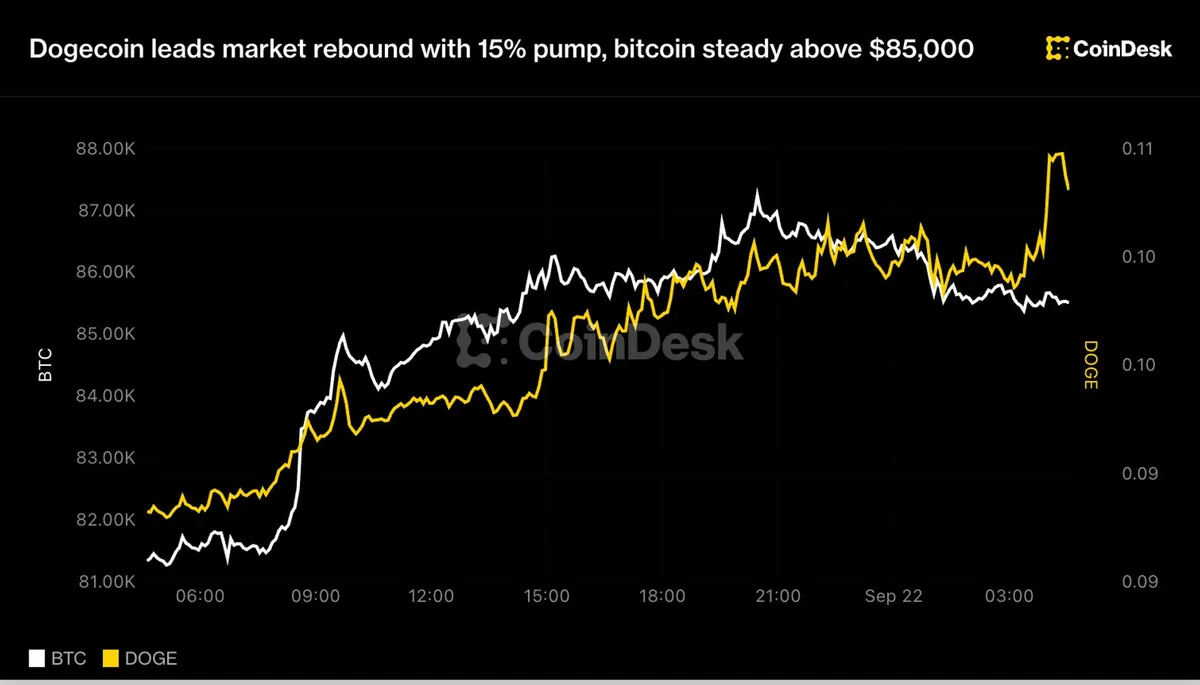
Dogecoin's 15% surge drives market recovery as bitcoin stabilizes above $85,000

Cardano adds tools for AI agent payments, joining Solana and XRP Ledger

Trueo prediction market moves from Base to Ethereum