Visa study shows stablecoin usage among Americans could rise to 56% with bank protections

A recent survey conducted by Visa reveals that American consumers are increasingly open to the use of stablecoins, particularly for cross-border transactions, if these digital currencies are coupled with bank-level protections. The survey indicates that the willingness to adopt stablecoins increases significantly from 36% to 56% when participants are informed about potential fraud protection and deposit insurance akin to what traditional banks offer. This finding highlights an intriguing intersection between traditional banking security and the emerging world of cryptocurrency.
The context of this survey is important–stablecoins, which aim to maintain a stable value by pegging them to traditional assets like the U.S. dollar, have gained traction in the crypto space as a means of facilitating transactions without the volatility associated with other cryptocurrencies. However, skepticism remains among the general public, largely due to concerns about security and regulation. Visa's findings suggest that the integration of conventional banking safeguards could alleviate some of these concerns, potentially leading to wider adoption.
This increased willingness to use stablecoins could have significant implications for the market. If consumers feel more secure using stablecoins, we may see a boost in their overall adoption for everyday transactions, especially in cross-border payments that have traditionally been fraught with high fees and delays. This shift could also encourage more financial institutions to explore partnerships with stablecoin issuers, thereby enhancing the legitimacy and utility of these digital assets in mainstream finance.
Reactions from industry experts have been largely supportive of these findings. Many believe that the integration of bank-level protections could serve as a catalyst for a broader acceptance of stablecoins. Experts argue that such developments would not only benefit consumers by providing them with a safer transaction environment but also encourage innovation within the fintech space as traditional financial institutions adapt to the growing demand for digital currencies.
Looking ahead, the implications of this study could prompt further research and dialogue among regulators, financial institutions, and tech companies. As the demand for secure digital financial solutions grows, it will be crucial for stakeholders to collaborate on creating frameworks that marry the benefits of stablecoins with the security features that consumers desire. This could set the stage for a more robust and widely accepted stablecoin ecosystem in the near future.

CoinMagnetic Team
Crypto investors since 2017. We trade with our own money and test every exchange ourselves.
Updated: September 2026
From our insights:
Related news

Canada's six largest banks collaborate on digital-dollar transfer system
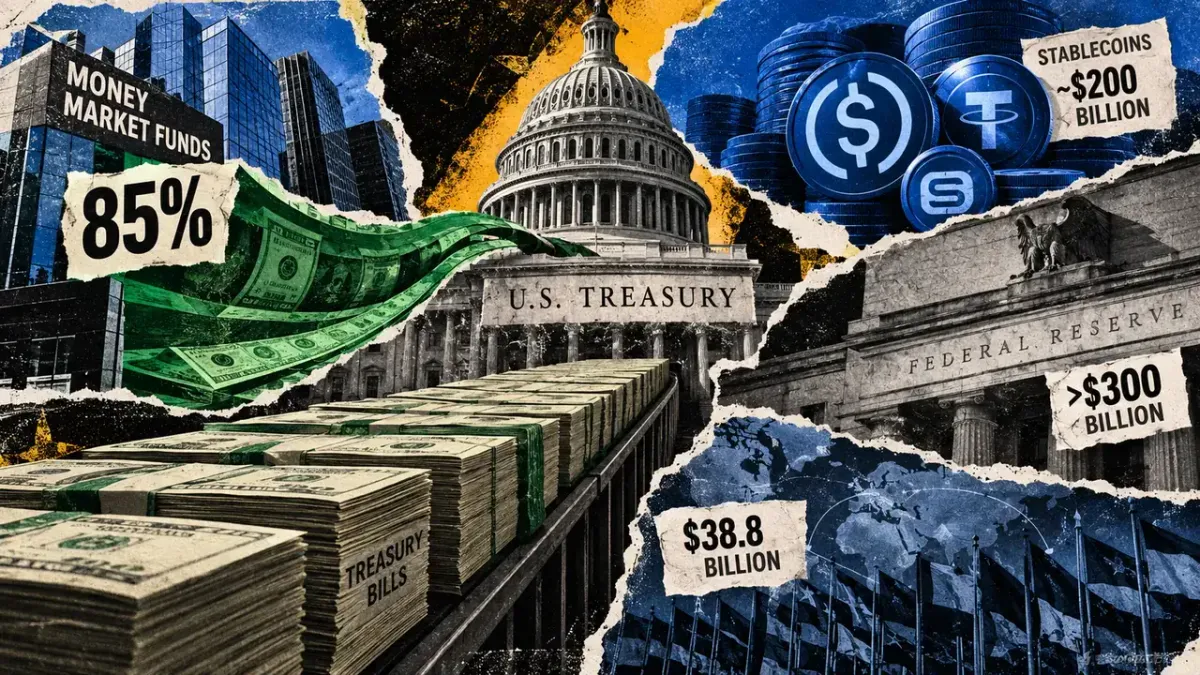
Stablecoins hold nearly $200 billion in US debt, but money funds bought the surge
FBI gathers experts annually to tackle crypto crime at Virtual Asset Technical Exchange

Tron processes up to $190 billion in weekly stablecoin transfers, analysis reveals

Stablecoin adoption intent rises from 36% to 56% with bank-level protections, Visa says