Americans distrust crypto, AI as industry super PACs flood midterms, poll finds

A recent Politico poll has revealed a significant level of distrust among Americans towards cryptocurrencies and artificial intelligence, highlighting a growing skepticism that could impact the upcoming midterm elections. The survey indicates that a majority of respondents harbor concerns about these technologies, suggesting that candidates receiving backing from industry super PACs may face a challenging landscape as they campaign. With these findings, the implications for both the crypto and AI sectors are profound, especially as they seek to gain broader acceptance and legitimacy among the public.
This poll comes at a pivotal time when both the crypto and AI industries are attempting to position themselves as essential players in the future of technology and finance. In recent years, the burgeoning nature of these sectors has attracted significant political attention, with various super PACs stepping in to support candidates who align with their interests. However, the findings from this poll suggest that despite the financial backing, public sentiment remains wary. Factors contributing to this distrust include concerns over regulation, security, and the ethical implications of AI technologies, which have been amplified by recent high-profile incidents and controversies.
The implications of this distrust for the market are significant. If candidates backed by these super PACs face voter backlash due to the negative perceptions of crypto and AI, it could lead to a shift in policy direction that may stifle innovation and investment in these industries. The poll raises questions about the sustainability of support for candidates who prioritize these technologies amid growing public skepticism. Furthermore, if this sentiment continues, it could result in stricter regulations that may hinder the growth potential of crypto and AI companies in the United States.
Industry reactions to the poll have been mixed. Some experts emphasize the need for educational initiatives to address public concerns, arguing that increased transparency and understanding could help shift perceptions. Others caution that the entrenched distrust may be more challenging to overcome, suggesting that industry players need to adopt a more proactive approach in building trust with the public. The sentiment in the market is palpable; as stakeholders analyze the poll results, there is a growing recognition of the need for a more concerted effort to engage with the community and address their concerns.
Looking ahead, the midterm elections will serve as a crucial test for candidates supported by crypto and AI super PACs. The outcome could have lasting implications for the future of these industries, as policymakers grapple with balancing innovation and public sentiment. As the elections approach, it will be essential for industry leaders and advocates to devise strategies that not only promote their interests but also foster a more positive narrative around the technologies they represent. The path forward will likely require a combination of outreach, education, and transparency to rebuild trust and ensure that these industries can thrive in an uncertain political landscape.

CoinMagnetic Team
Crypto investors since 2017. We trade with our own money and test every exchange ourselves.
Updated: May 2026
From our insights:
Related news
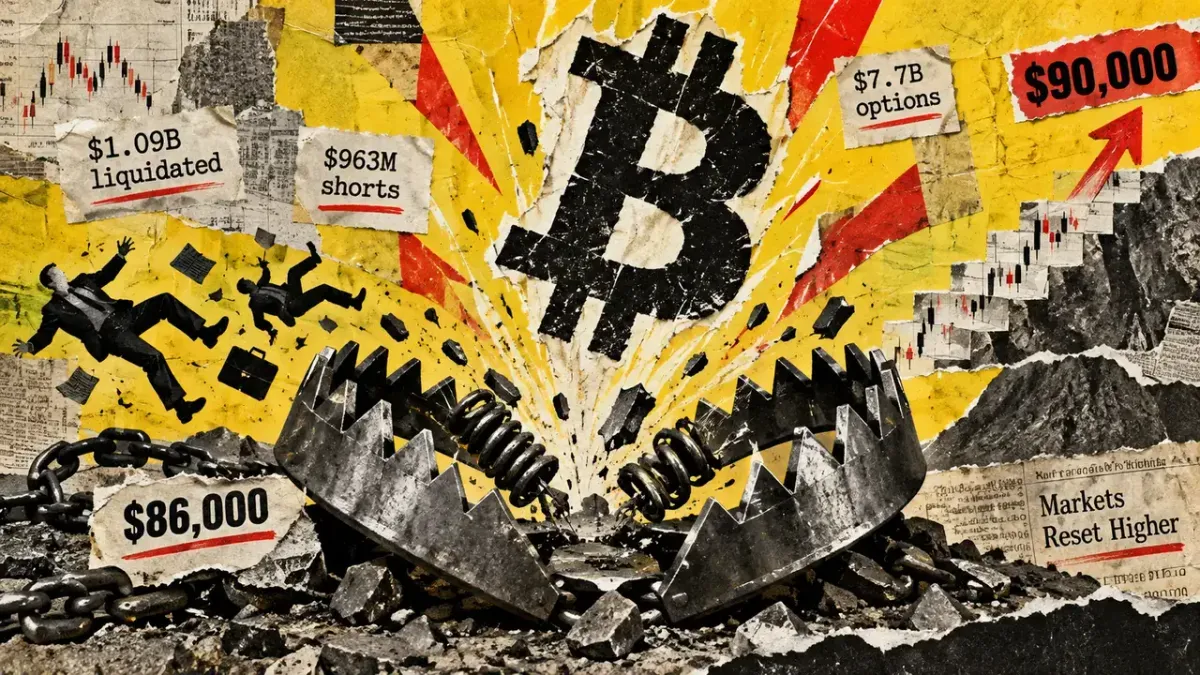
Bitcoin surges past $86,000 as $1 billion in shorts are liquidated, eyes on $90,000
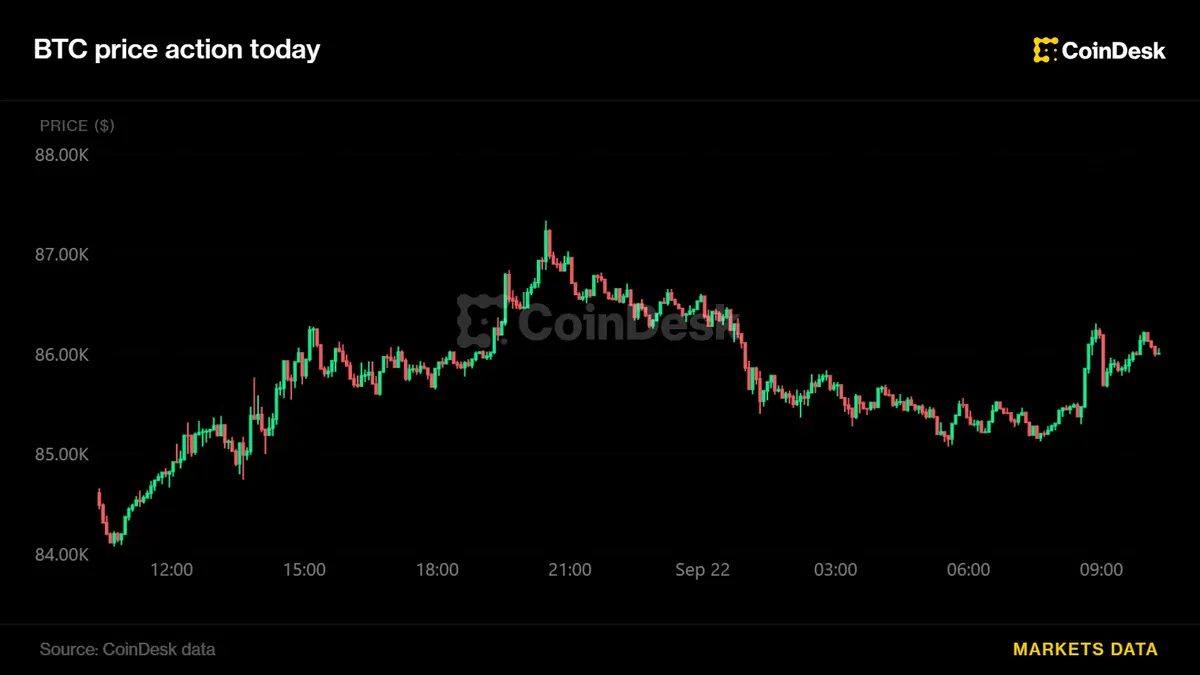
Bitcoin bounces back to $86,000 as oil prices decline and stocks rise

Prediction markets projected to reach $10 trillion by 2035, surpassing sports
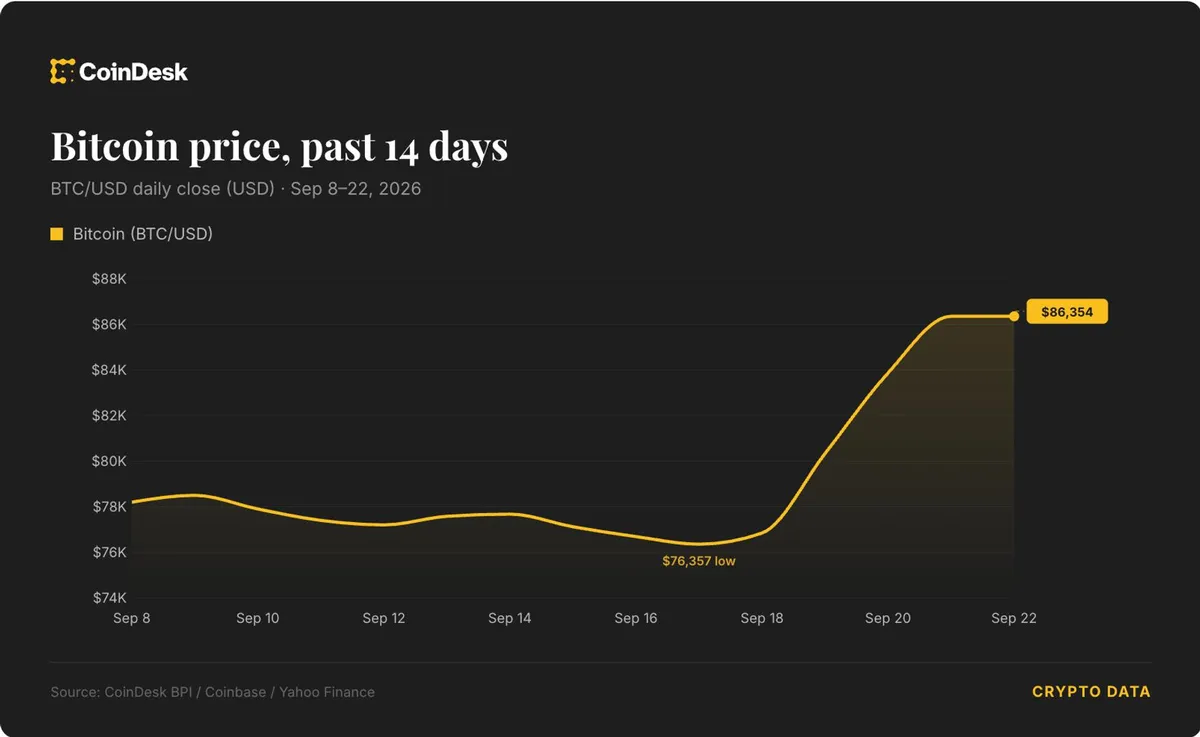
Iran hints at reopening Strait of Hormuz, WTI oil drops to $89

New altseason signal emerges as Bitcoin market cap stays under 60%