American Bankers Association CEO makes final-hour push for tightened limits on stablecoin rewards ahead of Senate committee vote
In a last-minute bid to influence upcoming legislation, Rob Nichols, CEO of the American Bankers Association (ABA), has reached out to bank executives regarding the potential tightening of limits on stablecoin rewards. This communication comes just days before a crucial Senate committee is set to vote on significant crypto legislation. Nichols emphasized the need for stricter regulations on the incentives offered by stablecoins, highlighting concerns over their impact on the broader financial system and consumer protection. His letter serves as a rallying call for banks to advocate for a regulatory framework that prioritizes stability and accountability within the crypto space.
The backdrop to this push is the growing prominence of stablecoins in the financial landscape. As digital assets continue to gain traction, lawmakers and regulators are increasingly focused on establishing a comprehensive framework to manage their proliferation. Stablecoins, particularly those pegged to fiat currencies, have been touted for their potential to enhance payment processes and financial inclusion. However, as their use expands, so too do the concerns about the risks they pose, including potential bank disintermediation, fraud, and lack of consumer protections. Nichols’ letter underscores a critical moment where traditional banking views on digital currencies are being scrutinized amid a rapidly evolving environment.
This development is significant for the market as it highlights the ongoing tug-of-war between traditional financial institutions and the burgeoning crypto sector. The fate of stablecoin regulations could set a precedent for how digital assets are treated in the future, potentially affecting their adoption and integration into mainstream finance. Market participants are closely watching how Senate committee members respond to these concerns, as their decisions could either bolster confidence in stablecoins or lead to stricter regulations that might stifle innovation and growth in the sector.
Industry reactions have been mixed, with some experts agreeing that tighter regulations could enhance consumer protection and foster trust in stablecoins, while others worry that excessive restrictions could hinder growth and limit competition. The broader sentiment among crypto advocates is that regulatory clarity is essential for the industry to thrive, yet it should not come at the expense of innovation. Many industry players are calling for a balanced approach that allows for the development of stablecoins while ensuring that necessary safeguards are in place.
Looking ahead, the outcome of the Senate committee vote will likely influence not only the future of stablecoins but also the broader regulatory landscape for cryptocurrencies. If Nichols' proposal gains traction, we may see a shift in how stablecoins are viewed by regulators and financial institutions alike. As the committee prepares for its deliberations, all eyes will be on the discussions that unfold, as they could shape the trajectory of the digital asset ecosystem for years to come.

CoinMagnetic Team
Crypto investors since 2017. We trade with our own money and test every exchange ourselves.
Updated: May 2026
From our insights:
Related news

ECB and EU central banks propose liquidity thresholds for stablecoins
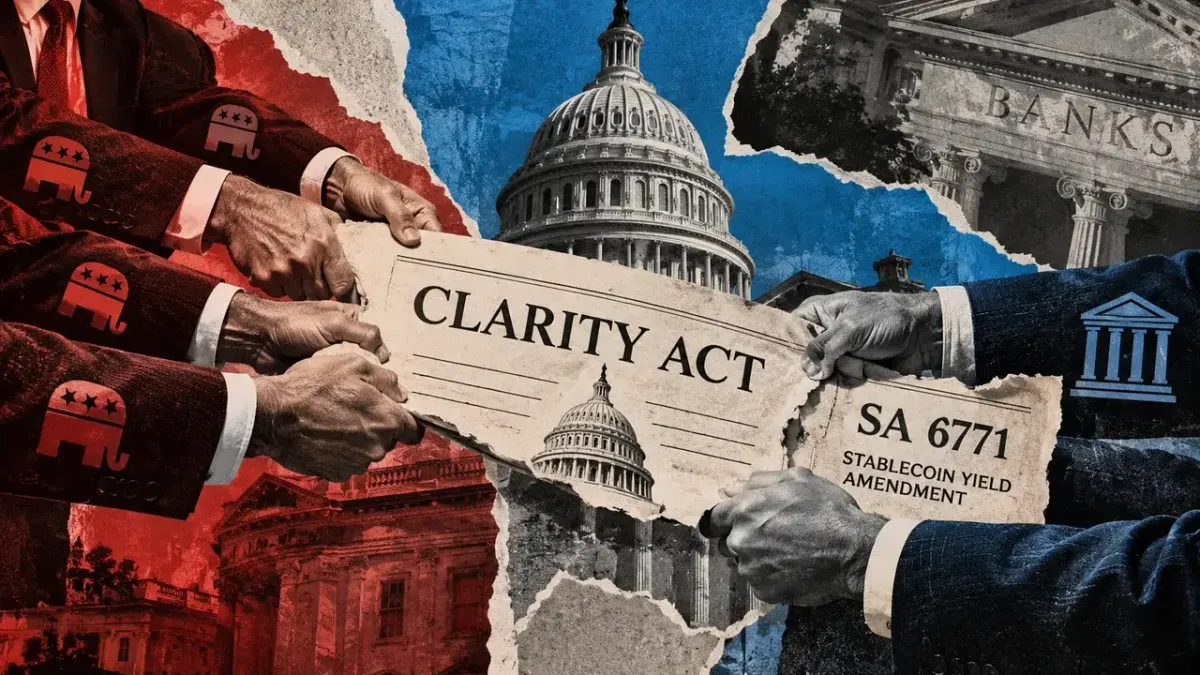
Four GOP senators backing CLARITY Act seek changes to stablecoin provisions
US investigates Binance for potential Iran-linked trading violations
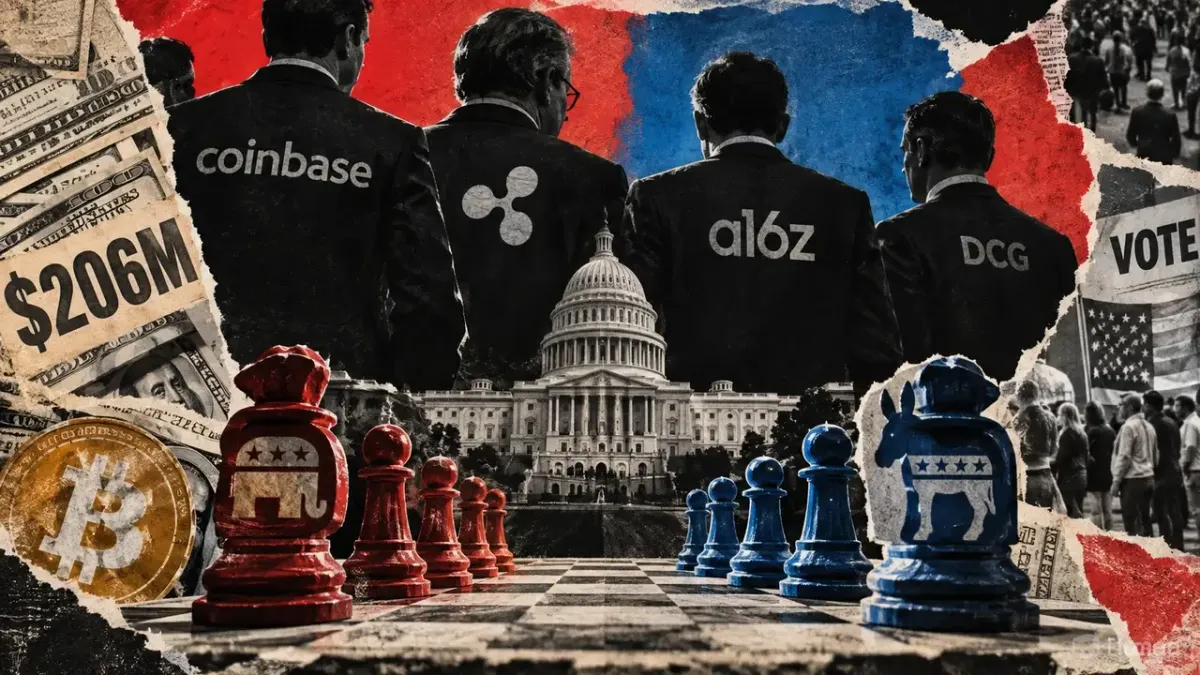
Crypto sector emerges as top donor with $206 million in midterms backing
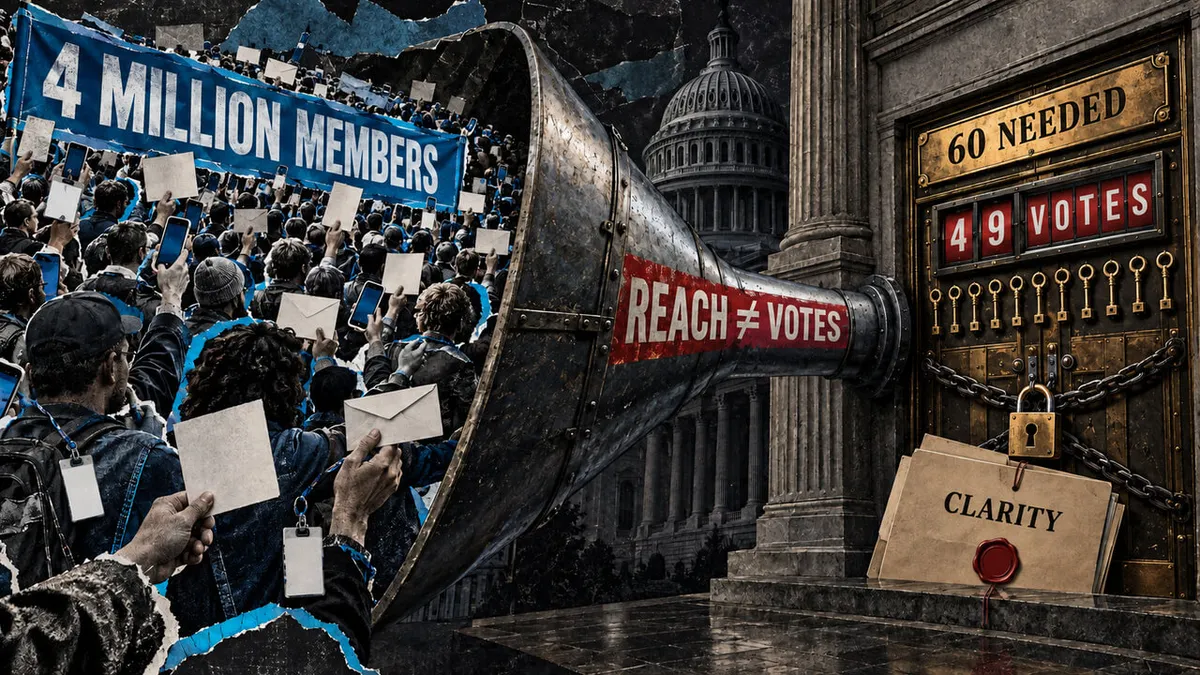
Stand With Crypto’s 4 million registered advocates couldn’t get the CLARITY Act through the Senate