US digital economy expansion strains power grid and forces tough choices
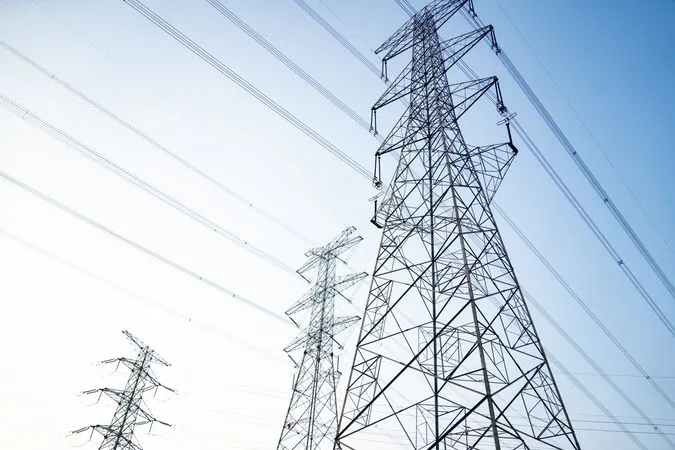
As the digital economy in the United States continues to expand at a rapid pace, the underlying infrastructure is facing unprecedented strain. Lawmakers in Congress now face the complex task of determining how the nation can construct the necessary power grid updates to support booming technological demands while simultaneously protecting the local communities that host these energy-intensive operations. The rapid growth of data centers, artificial intelligence computing, and cryptocurrency mining has fundamentally shifted regional electricity consumption patterns.
This current infrastructure challenge builds on years of increasing strain across the domestic power grid. For decades, electricity generation and transmission systems were designed for traditional industrial and residential consumption rather than the continuous, high-density loads demanded by modern digital assets and computing facilities. As demand outpaces capacity in key regions, grid operators have increasingly struggled to maintain stability, leading to heightened scrutiny over how industrial power users interact with local utility providers.
For the broader markets and the digital asset sector, this infrastructure bottleneck carries significant implications. The ability to secure reliable and affordable electricity directly influences the operational viability of mining operations and data centers within United States borders. Without timely grid modernization, regional capacity constraints could force companies to look elsewhere, impacting domestic hash rate distribution and altering the geographic footprint of the American technology industry.
Industry participants and policy experts are closely monitoring the legislative debate, offering varied perspectives on the path forward. Representatives from the technology and crypto sectors emphasize that digital infrastructure is critical for national economic competitiveness, arguing that grid investments will benefit all ratepayers in the long run. Conversely, community advocates and environmental groups stress the importance of safeguards to prevent local residents from absorbing the financial and environmental costs associated with heavy power usage.
Looking ahead, the decisions made by lawmakers will likely shape the regulatory and physical landscape for years to come. Congress must weigh competing interests to draft policies that encourage technological innovation without compromising grid reliability or overburdening local populations. The outcome of these policy discussions will determine whether the United States can successfully sustain its digital growth while maintaining a resilient and equitable energy infrastructure.

CoinMagnetic Team
Crypto investors since 2017. We trade with our own money and test every exchange ourselves.
Updated: October 2026
From our insights:
Related news

Former FTX Europe chief targets U.S. tokenized stock trading with new SEC exemption

Sahil Arora plans new celebrity token schemes using the Fomo launchpad

Payward targets Saldo Bank acquisition to secure EU banking and lending rights

Qivalis secures Dutch central bank approval to roll out euro stablecoin

Bitcoin 201 explores secure monetary network mechanics and adoption