Albuquerque orders removal of Bitcoin ATMs within 45 days due to fraud concerns
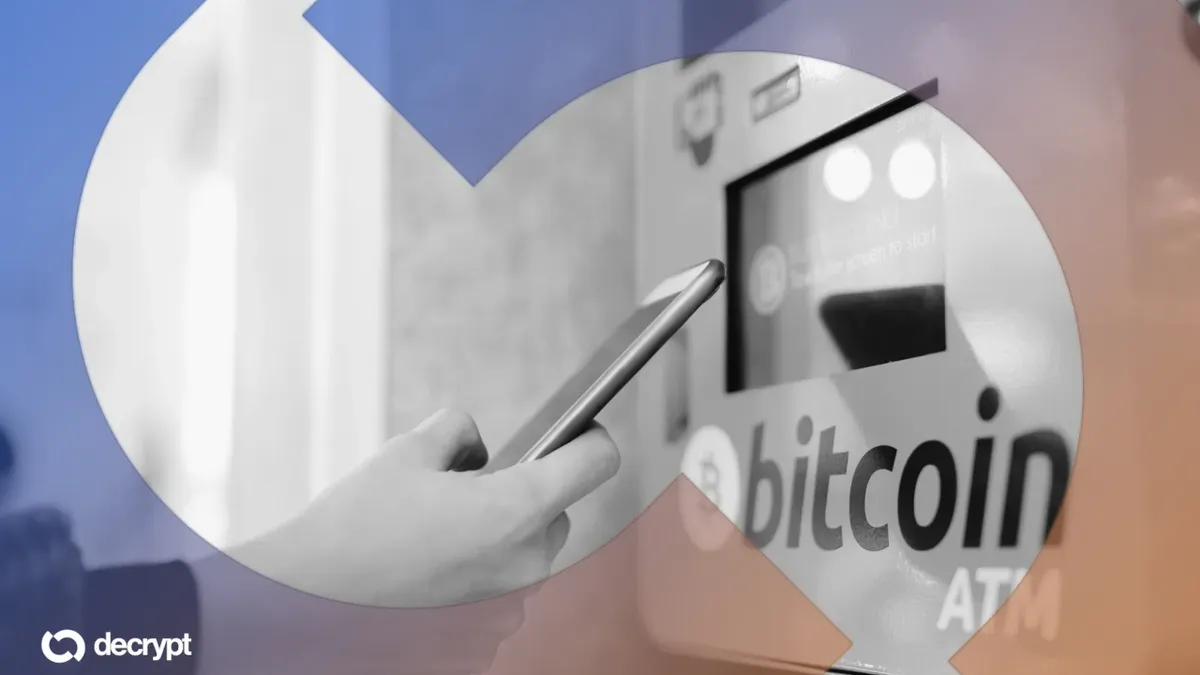
The city of Albuquerque has taken a decisive step against cryptocurrency kiosks by enacting a ban on Bitcoin ATMs, providing operators with a 45-day window to dismantle their machines. This decision was primarily influenced by a local councilor's assertion that approximately 90% of transactions conducted through these kiosks are linked to fraudulent activities. The councilor described the ATMs as facilitators of crime, which has sparked a significant debate about the role of cryptocurrency in urban economies.
Albuquerque's decision to regulate Bitcoin ATMs is part of a broader trend seen in various cities across the United States, where local governments are grappling with the implications of cryptocurrency and its use in illicit activities. Over the past few years, Bitcoin ATMs have proliferated, providing users with easy access to digital currencies but also attracting scrutiny due to their perceived association with criminality. This latest move by Albuquerque reflects growing concerns among officials about the security and integrity of financial transactions involving cryptocurrencies.
The ban on Bitcoin ATMs in Albuquerque could have widespread implications for the local market. By restricting access to these machines, the city aims to curtail fraudulent transactions and protect consumers. However, this decision may also dissuade potential users from engaging with cryptocurrencies altogether, which could stifle the growth of the crypto sector in the region. The move raises questions about how other cities might respond, especially those that have embraced digital currencies as a means of innovation and economic development.
Industry reactions to the Albuquerque ban have been mixed. Some experts argue that while the councilor's concerns about fraud are valid, the blanket ban may not be the most effective solution. They contend that better regulation and oversight could address fraudulent activities without completely eliminating access to Bitcoin ATMs. On the other hand, advocates for stricter controls believe that the risks associated with these machines outweigh their benefits, particularly in vulnerable communities.
Looking ahead, it remains to be seen how the situation will evolve in Albuquerque and beyond. As the 45-day deadline approaches, operators will have to make decisions about their next steps, whether that involves relocating their machines to more crypto-friendly areas or adapting their business models to comply with local regulations. This situation may prompt other municipalities to reassess their own policies regarding cryptocurrency and ATMs, either tightening restrictions or implementing more robust frameworks aimed at fostering innovation while mitigating risks.

CoinMagnetic Team
Crypto investors since 2017. We trade with our own money and test every exchange ourselves.
Updated: September 2026
From our insights:
Related news

Immunefi CEO warns PHP flaw sets up weeks of risk for smaller sites

Canada proposes 1:1 reserve mandate for stablecoins while keeping yield ban

Aviva Investors launches tokenized share class of $29B Sterling fund on XRP Ledger

Economists caution Israel against crypto sanctions evasion before election

Circle-linked tokens push past Securitize to claim $383.6 million in market cap