AI Still Can't Beat the On-Call Engineer: Here's Why
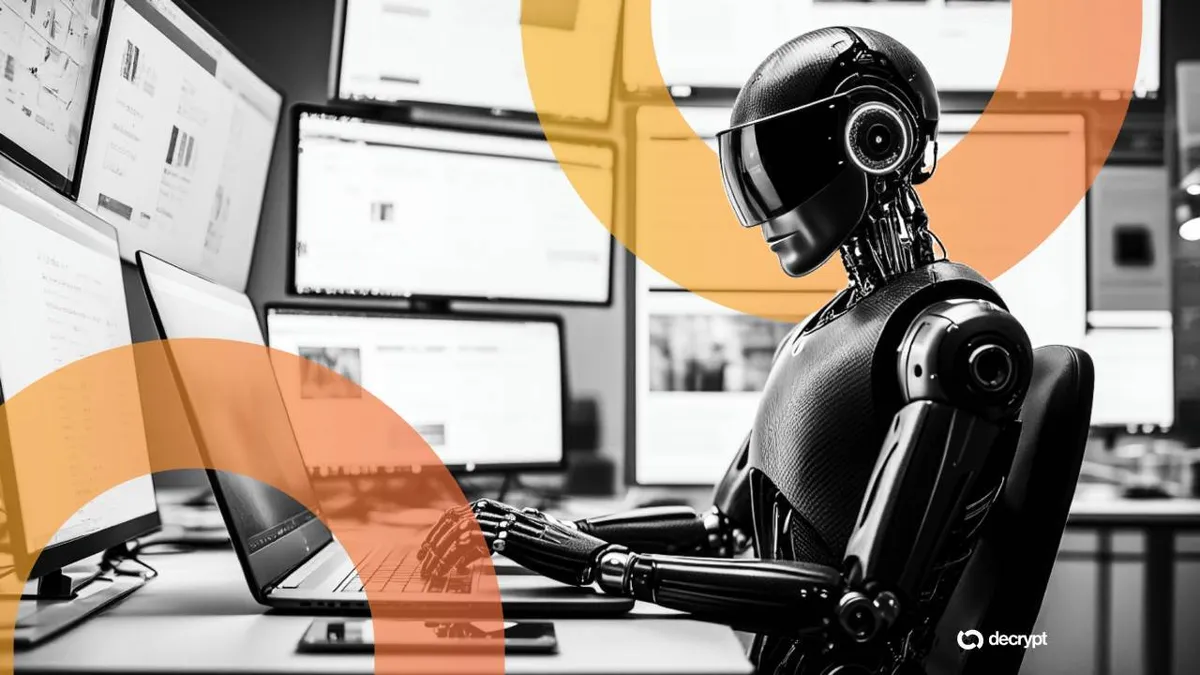
Recent assessments reveal that despite the rapid advancements in artificial intelligence, current AI models still fall short when it comes to outpacing on-call engineers in real-world problem-solving scenarios. A new benchmark study highlights this gap, suggesting that while AI can process information and generate solutions at a remarkable speed, it lacks the nuanced understanding and adaptability that human engineers possess. This finding raises important questions about the future role of AI in technical fields, particularly in areas requiring immediate, hands-on intervention.
The concept of AI replacing human roles has been a prevalent topic across various industries, especially in tech. Over the past few years, we have witnessed significant improvements in machine learning and automation, leading to increased speculation about AI's ability to take over complex problem-solving tasks. However, the benchmark study indicates that the intricacies of real-world engineering challenges–ranging from unexpected system failures to the need for innovative solutions–are still beyond the reach of AI. This brings to light the limitations inherent in current AI technologies, even as they continue to evolve.
Understanding why this matters for the market requires a closer look at the implications for businesses that are increasingly integrating AI into their operations. While companies may invest heavily in AI to enhance efficiency and reduce costs, the inability of AI to fully replicate human expertise suggests that a hybrid approach may be more beneficial. Businesses may need to reassess their strategies, ensuring that they leverage AI tools to assist engineers rather than replace them. This could lead to a greater emphasis on training and retaining skilled professionals who can work alongside AI systems, ultimately benefiting both productivity and innovation.
Industry experts have weighed in on this development, emphasizing the importance of human intuition and experience in engineering roles. Many believe that while AI can serve as a powerful tool for data analysis and routine tasks, the creative and critical thinking skills of human engineers remain irreplaceable. Experts suggest that rather than viewing AI as a competitor, organizations should focus on how to best integrate these technologies to complement human capabilities. This perspective advocates for a collaborative future where AI aids engineers in their work rather than attempting to supplant them entirely.
Looking ahead, the future of AI in engineering seems poised for a more integrated approach. As AI technologies continue to develop, there will likely be further advancements that enhance their capabilities. However, the current findings serve as a timely reminder of the value of human expertise. Companies may find success by investing in training programs that empower engineers to work effectively with AI, ensuring that both human and machine contributions are maximized. This could ultimately lead to a more robust engineering landscape, where innovation thrives through collaboration.

CoinMagnetic Team
Crypto investors since 2017. We trade with our own money and test every exchange ourselves.
Updated: May 2026
From our insights:
Related news

Bitcoin's weekly close above $81,000 signals potential rise to $90,000

Elon Musk's X integrates bitcoin trading options for U.S. users

Dogecoin's 15% surge drives market recovery as bitcoin stabilizes above $85,000

Cardano adds tools for AI agent payments, joining Solana and XRP Ledger

Trueo prediction market moves from Base to Ethereum