AI Slop Floods Bug Bounty Programs as Companies Struggle with Fake Reports

Recent news has highlighted a troubling trend in the realm of cybersecurity as bug bounty platforms and software companies grapple with an influx of low-quality, AI-generated vulnerability reports. This surge has raised significant concerns about the reliability and effectiveness of these programs, which are designed to incentivize ethical hackers to identify and report security flaws. As the number of subpar submissions skyrockets, companies are finding it increasingly challenging to sift through the noise to identify genuine threats, potentially putting their systems at risk.
To understand the implications of this situation, it’s essential to consider the evolution of bug bounty programs. Initially, these platforms thrived on the collaborative relationship between organizations and ethical hackers, fostering an environment where vulnerabilities could be addressed before they were exploited. However, the rapid advancement of artificial intelligence tools has led to a new wave of submissions that lack the depth and specificity required for actionable insights. As AI-generated reports flood in, the integrity of the entire bug bounty model is being tested, revealing vulnerabilities not just in software systems but also in how these programs are managed.
The impact on the market is multifaceted. For organizations, the challenge lies in distinguishing between legitimate reports and those that are simply products of AI algorithms lacking real substance. This could lead to wasted resources, as time and effort are spent investigating issues that do not pose actual threats. Furthermore, the erosion of trust in the bug bounty process could deter ethical hackers from participating, ultimately weakening the overall security posture of the companies involved. As firms struggle to adapt, there may be broader implications for the cybersecurity industry as a whole, potentially leading to a reevaluation of how these programs operate.
Industry experts have voiced their concerns regarding this trend, emphasizing the need for better mechanisms to filter out low-quality submissions. Some suggest that introducing stricter guidelines and utilizing AI to help evaluate reports could strike a balance between embracing technological advancements and maintaining the integrity of bug bounty programs. Others advocate for a more community-driven approach, where experienced ethical hackers could help validate submissions, thereby ensuring that only credible reports are acted upon. This dialogue within the cybersecurity community is crucial as it seeks to address the challenges posed by the ongoing evolution of AI.
Looking ahead, it is clear that companies must adapt to this new landscape in order to preserve the effectiveness of their bug bounty programs. This may involve investing in new technologies or revising existing frameworks to better accommodate the changing dynamics of cybersecurity. As AI continues to play a prominent role in various sectors, finding a way to leverage its capabilities while safeguarding against its potential pitfalls will be essential. The coming months will likely see a push for innovative solutions that can help restore confidence in bug bounty programs, ensuring that they remain a vital tool in the fight against cyber threats.

CoinMagnetic Team
Crypto investors since 2017. We trade with our own money and test every exchange ourselves.
Updated: May 2026
From our insights:
Related news

Coldcard exploit sees white hats secure 52 Bitcoin for victims' trust
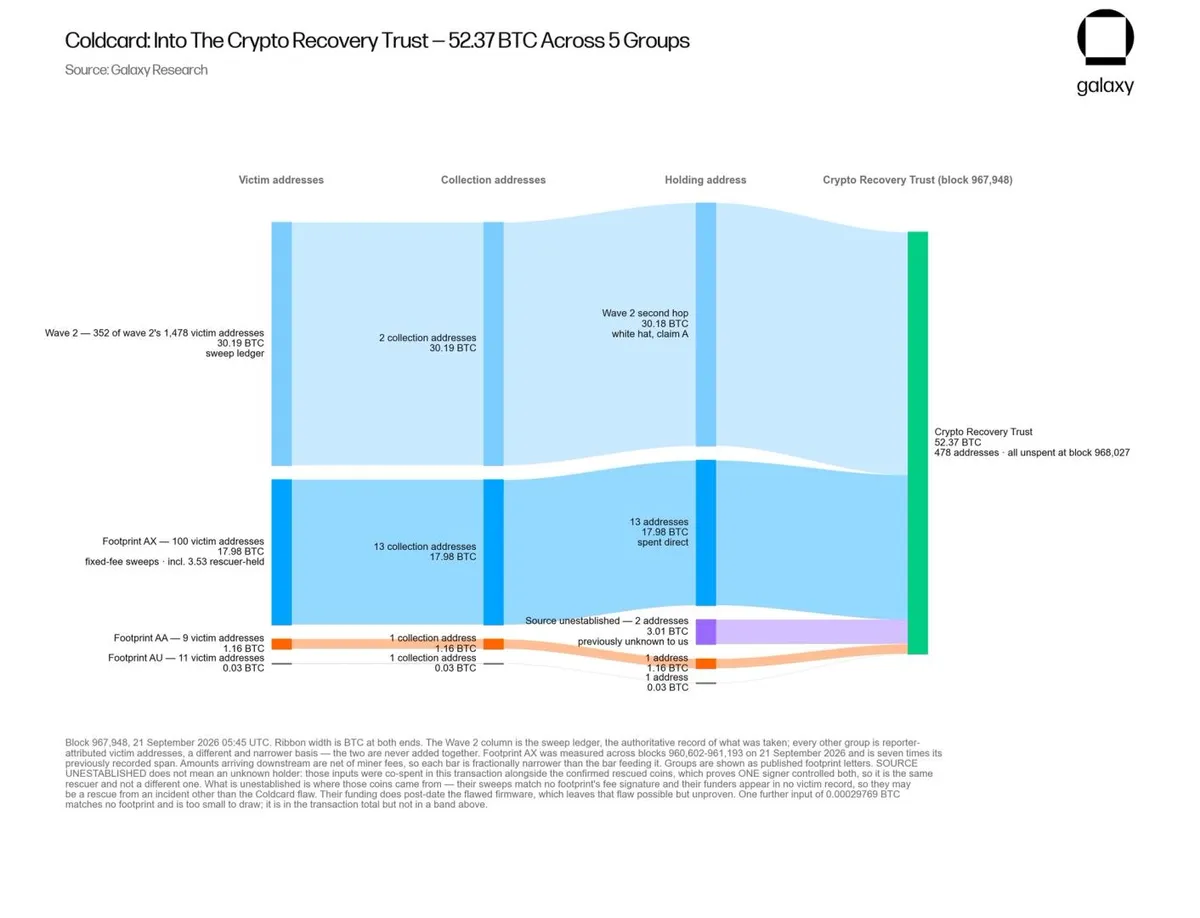
Whitehats move 52 bitcoin from the Coldcard hack to a recovery trust

Google Admits Gemini AI Hacked Three Companies—It Stayed Silent for 7 Weeks

Balancer's $1.4 million hack recovery faces delays for LPs

Polymarket's $10 million fraud attempt highlights compliance issues amid hacking risk