AI scammers shift tactics, targeting user trust over wallet hacks
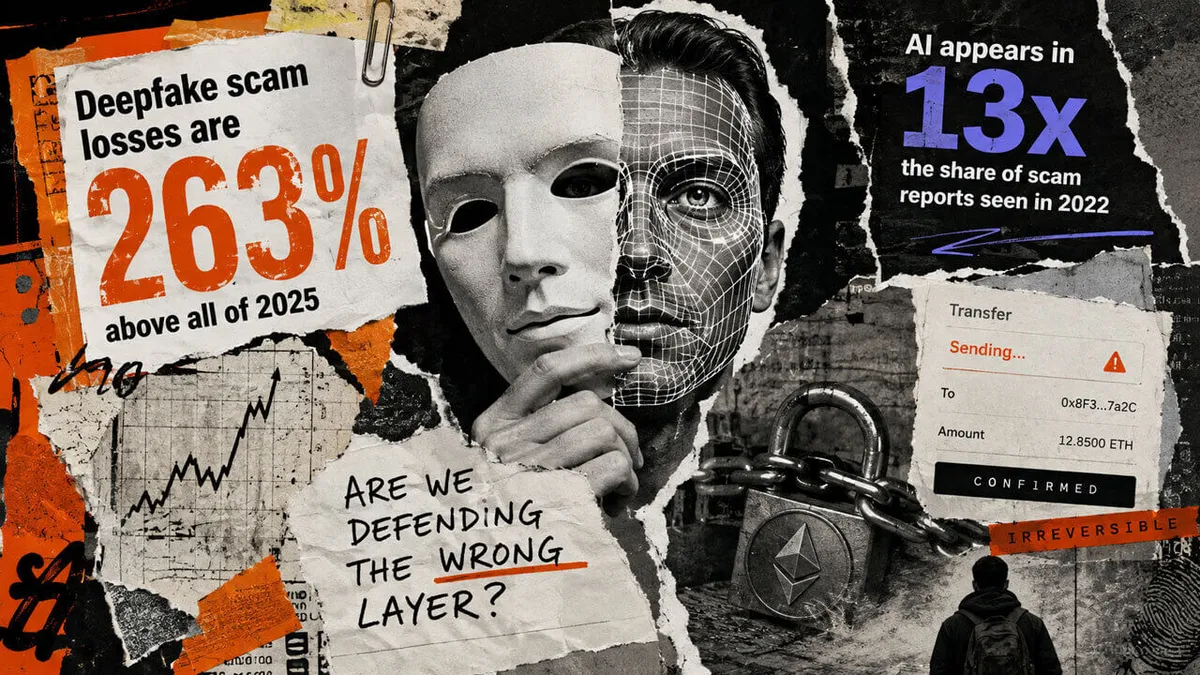
Recent reports highlight a worrying trend in the cryptocurrency space where AI scammers are adapting their methods to exploit human psychology rather than relying on traditional hacking techniques. Instead of breaching wallets directly, these scammers are focusing on convincing users to willingly hand over their assets, leveraging sophisticated AI-driven schemes that manipulate trust. This shift in strategy raises significant concerns about the safety of digital assets and the effectiveness of current security measures in protecting users.
The evolution of scams in the crypto world is not entirely new. Over the past few years, hackers and scammers have continually adjusted their tactics in response to advancements in technology and increasing awareness among users. However, the rise of AI presents a unique challenge, as these malicious actors can now create more convincing phishing attempts and fraudulent communications that appear legitimate. As the technology continues to improve, the potential for users to be deceived becomes significantly higher.
This development has critical implications for the cryptocurrency market. Trust is a cornerstone of any financial ecosystem, and as scams become more sophisticated, users may become increasingly wary of engaging with digital currencies altogether. If confidence wanes, this could lead to reduced adoption rates and a decline in market participation, ultimately affecting the overall value and stability of cryptocurrencies. Furthermore, as users become more hesitant to invest or transact, the market could face additional volatility.
Experts in the field are voicing their concerns regarding the implications of AI-driven scams. Many emphasize the need for greater education and awareness programs to inform users about these emerging threats. Cybersecurity professionals advocate for improved security measures that not only defend against hacking attempts but also address social engineering tactics employed by scammers. The industry is now at a pivotal juncture, where fostering user trust and enhancing security protocols is vital to countering these evolving threats.
Looking ahead, it is clear that the cryptocurrency sector must adapt to this changing landscape. Continued innovations in AI will likely lead to even more sophisticated scams, making it imperative for users and industry players to stay informed and vigilant. Developing robust educational initiatives and collaborative efforts among stakeholders can help combat this issue, ensuring a safer environment for all participants in the crypto market.

CoinMagnetic Team
Crypto investors since 2017. We trade with our own money and test every exchange ourselves.
Updated: August 2026
From our insights:
Related news
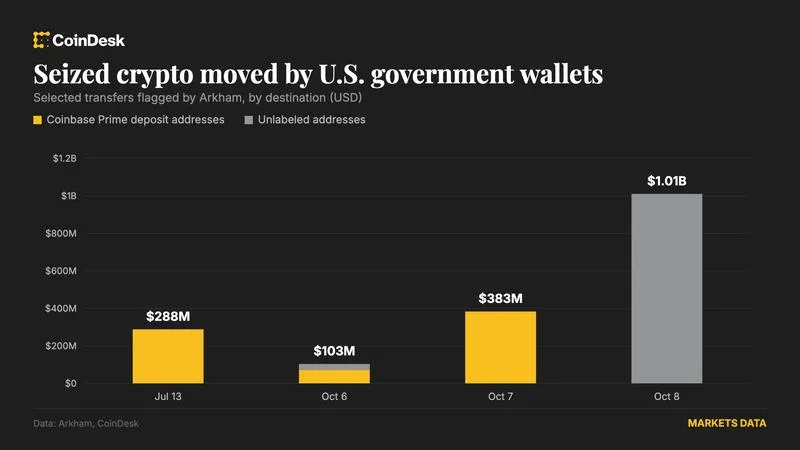
U.S. government moves $1 billion in bitcoin from Bitfinex hack wallet, no sale indicated

US government shifts $1B in Bitcoin following $770M Bitfinex recovery

Crypto lending surges 55% since July amid rising AI hack risks

Uranium Finance hacker convicted for $50 million theft, spent on collectibles

AI-assisted hackers breach database of 850,000 members at megachurch