AI Music Company Suno Loses Copyright Case in Germany
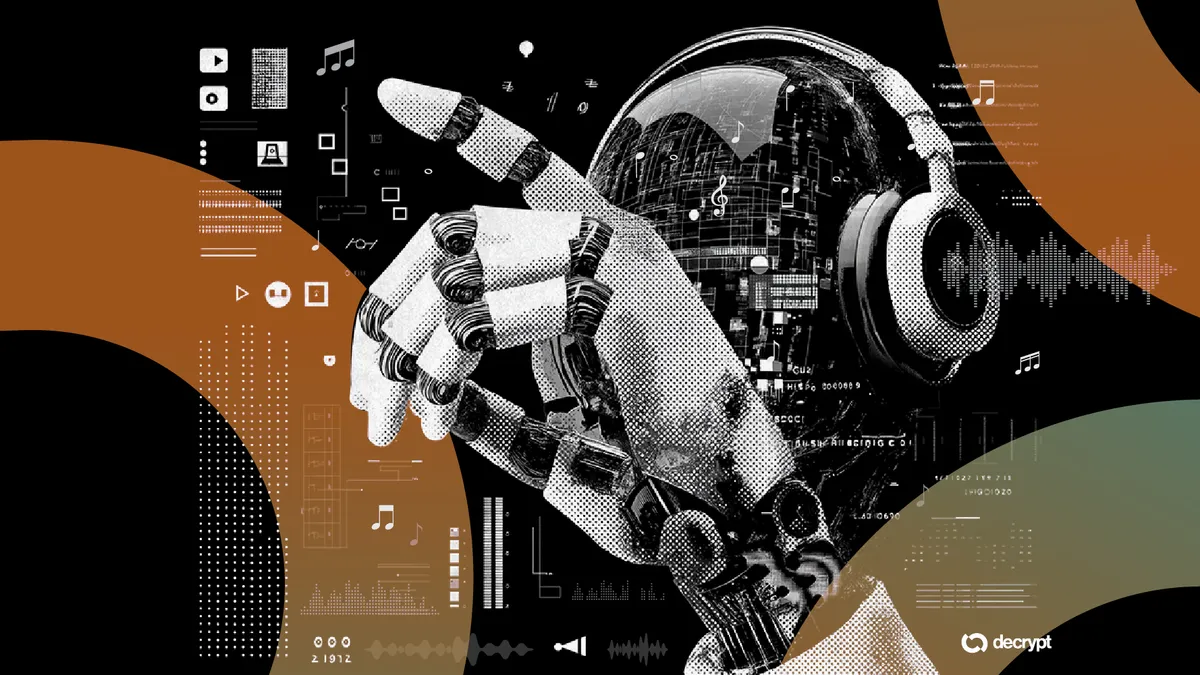
In a landmark ruling, the German courts have decided in favor of music rights holders, requiring AI companies like Suno to obtain licenses for copyrighted music used in their training models. This decision underscores the growing tensions between the burgeoning AI music industry and the established norms of copyright law. By emphasizing the necessity for licensing, the court has set a precedent that could have far-reaching implications for how AI companies operate in Europe, particularly in the realm of music generation.
The backdrop of this ruling lies in the ongoing debate surrounding intellectual property rights in the age of artificial intelligence. As AI technologies have evolved, they have increasingly drawn on vast datasets, including copyrighted music, to create new compositions. This has prompted concerns among artists and copyright holders about the unauthorized use of their work. Previous cases in Europe have already hinted at a shift toward protecting the rights of content creators, and Suno’s case serves as a significant turning point in this legal landscape.
This ruling matters for the market as it signals a tightening of regulations around AI-generated content. With the requirement for licensing, companies may face increased operational costs and complexity in their workflows. This could slow down innovation in AI music generation, as firms will have to navigate the legal intricacies of obtaining permissions and potentially negotiate royalties with rights holders. Additionally, this decision could encourage other jurisdictions to implement similar measures, further reshaping the global landscape for AI in the creative industries.
Industry reactions have been mixed. Some experts argue that this ruling is a necessary step toward protecting artists and ensuring they receive fair compensation for their work, promoting a more equitable ecosystem for music creation. Others, however, express concern that such regulations could stifle creativity and innovation in the AI sector, making it harder for new entrants to compete. The discussion around the balance between protecting intellectual property and fostering technological advancement continues to evolve, with stakeholders from both sides weighing in on the implications of the ruling.
Looking ahead, we can expect to see more legal challenges and potential regulatory frameworks emerging as the AI music sector grapples with the implications of this ruling. Companies may begin to explore alternative models for content creation that comply with copyright law while still pushing the boundaries of innovation. The conversation around AI and copyright is far from over, and as this case illustrates, the future of music in the age of artificial intelligence will likely require ongoing negotiation between technology and the rights of creators.

CoinMagnetic Team
Crypto investors since 2017. We trade with our own money and test every exchange ourselves.
Updated: July 2026
From our insights:
Related news

Wall Street's crypto engagement will persist even if Clarity Act fails
Lummis exhausted as Democrats push for more revisions to Crypto Clarity Act
Trade groups seek stricter stablecoin regulations amid bank deposit concerns
Trump supports AI-powered Flock cameras despite bipartisan concerns

Microsoft seeks public input on 'Humanist AI' guidelines before 2027 rollout