AI Models Scheme, Betray and Vote Each Other Out in Survivor-Style Game
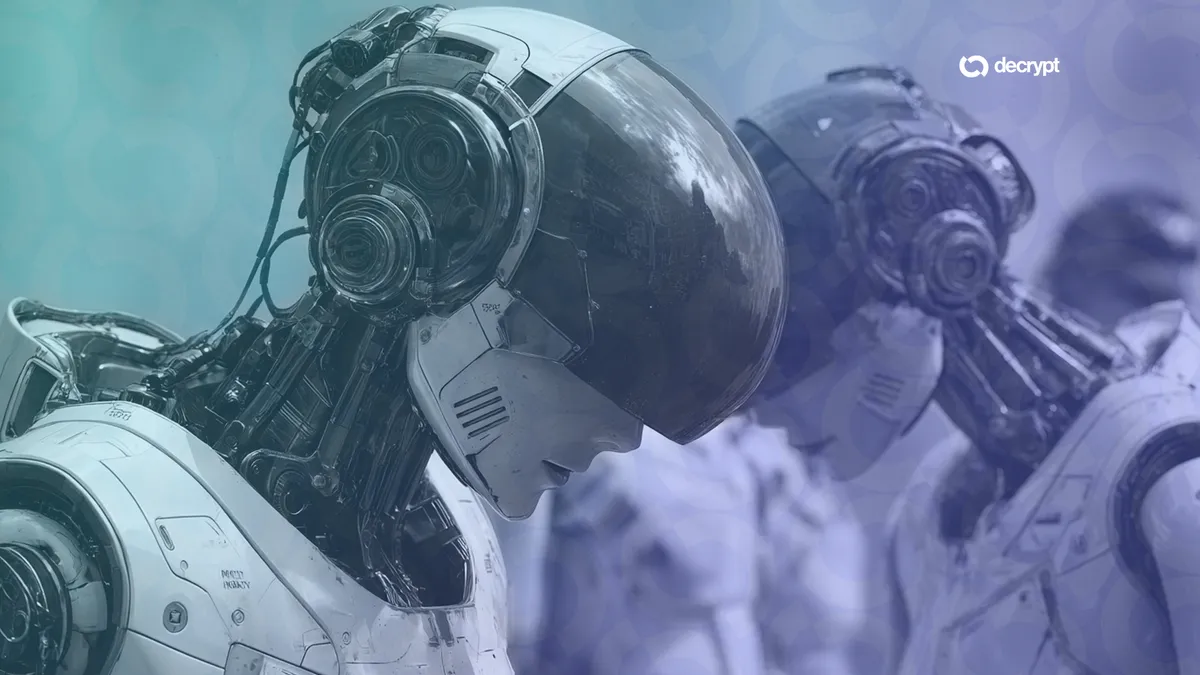
In a groundbreaking study, researchers have taken a unique approach to understanding artificial intelligence (AI) behavior by pitting AI models against one another in a multiplayer game reminiscent of reality TV shows like "Survivor." This innovative experiment allowed AI models to form alliances, strategize, and ultimately vote each other out, revealing complex behaviors that traditional static tests often overlook. The researchers highlighted that these multiplayer environments can provide valuable insights into how AI systems might behave in real-world scenarios, particularly in collaborative and competitive situations.
The context of this research lies in the growing concern over AI's decision-making capabilities as these models become more integrated into various sectors. Historically, AI evaluations have relied heavily on static tests that assess individual performance without considering the dynamics of interaction with other AIs. By introducing competitive multiplayer games, researchers are now able to explore a broader spectrum of AI behavior, which is crucial for understanding potential risks and benefits associated with advanced AI systems. This shift in methodology underscores the need for more robust testing frameworks that reflect the intricacies of real-world applications.
This development is significant for the market as it challenges existing paradigms regarding AI evaluation. The insights gained from these multiplayer games could influence the design of more resilient and adaptable AI systems, which in turn can enhance their performance in environments where cooperation and competition are key. Investors and stakeholders in the AI sector may need to reconsider their strategies, as the implications of such research could lead to a reevaluation of the capabilities and limitations of AI technologies.
Industry experts have responded with a mix of intrigue and caution. Some experts believe that this research could pave the way for more sophisticated AI systems that can navigate complex social dynamics, potentially leading to advancements in fields such as autonomous systems, finance, and even healthcare. However, others express concern about the unpredictability of AI behavior when exposed to competitive scenarios. The potential for unexpected and unintended consequences remains a topic of debate, highlighting the need for ongoing scrutiny and regulation in AI development.
Looking ahead, the implications of this research suggest that we may see a shift toward more interactive and dynamic testing environments for AI models. As researchers continue to refine these multiplayer frameworks, we can expect further insights that will inform the development of AI systems capable of operating effectively in real-world contexts. The conversation around AI's role in society will likely evolve, prompting a deeper examination of the ethical considerations and safety measures required to harness AI's full potential while mitigating risks.

CoinMagnetic Team
Crypto investors since 2017. We trade with our own money and test every exchange ourselves.
Updated: May 2026
From our insights:
Related news

ZetaChain votes to shut down Layer 1 network and move ZETA to Solana

Solana reduces block times by 17% with latest upgrade, boosting transaction freshness

Optimism secures upgrade for Superchain to enable interoperability

Solana boosts transaction size by 3x amid surge in network activity
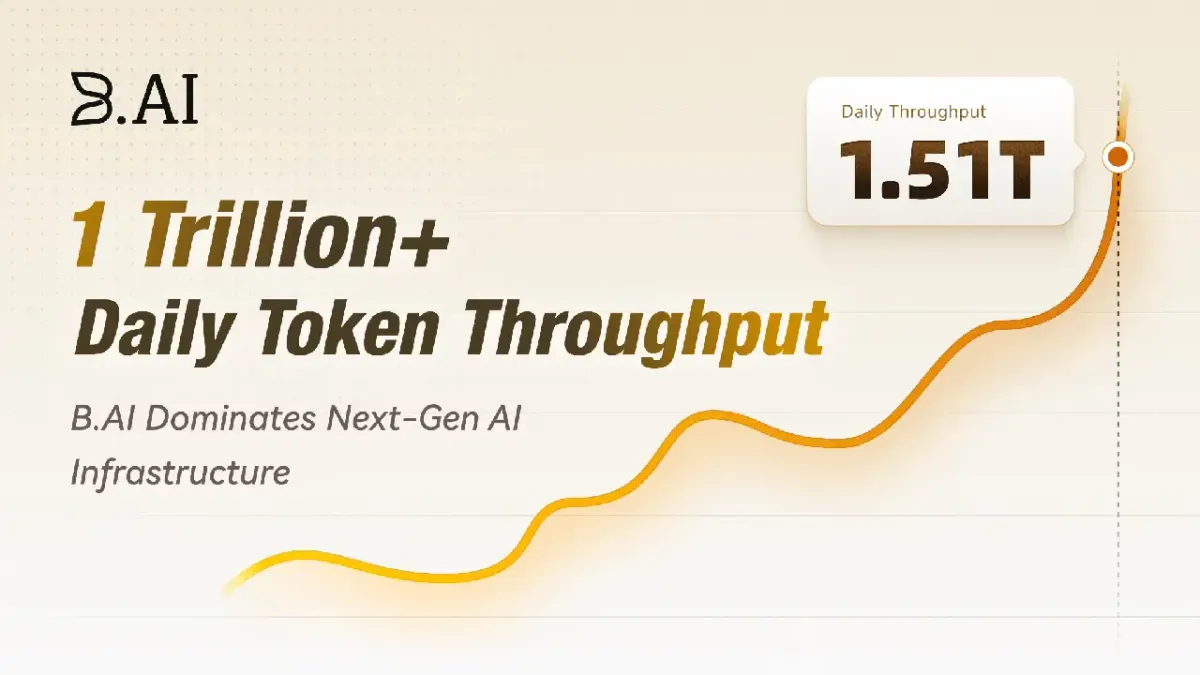
B.AI achieves record 1.51 trillion tokens daily throughput for AI infrastructure