AI frenzy losing steam leaves bitcoin less volatile than South Korean stocks
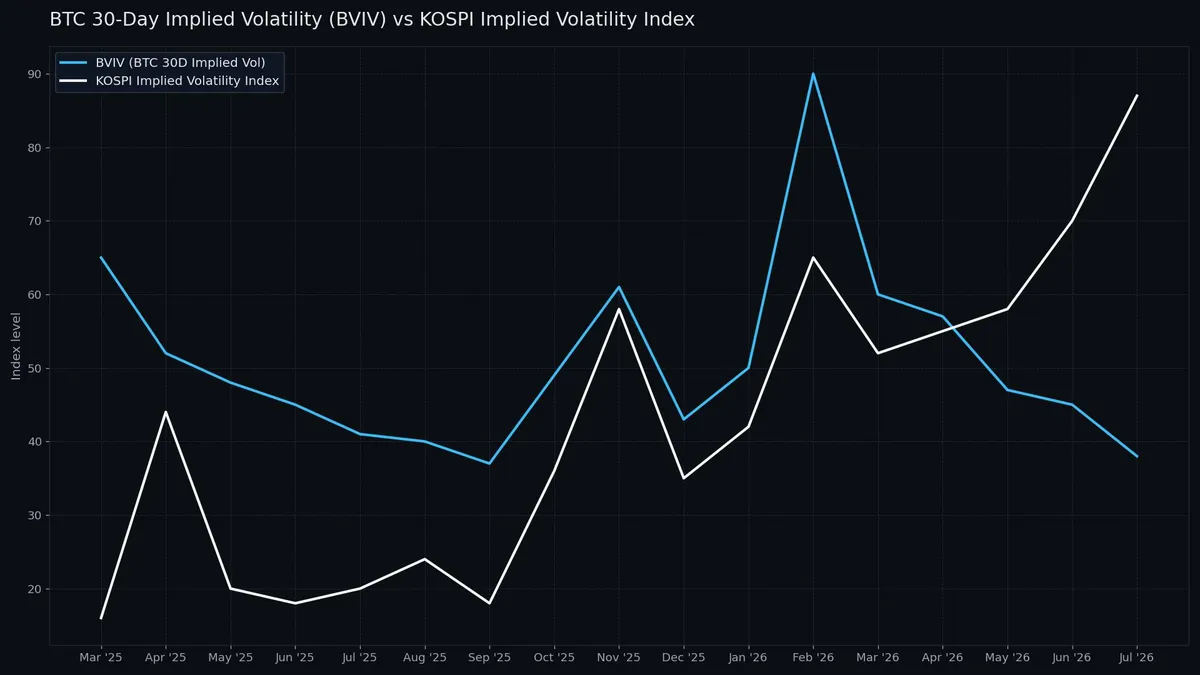
Recent reports indicate that the surge in artificial intelligence (AI) enthusiasm is starting to wane, resulting in a noticeable decrease in volatility for Bitcoin. As of July 17, 2026, Bitcoin's price fluctuations have been less dramatic than those of South Korean stocks, a trend that signals a potential stabilization in the cryptocurrency market. Analysts attribute this reduced volatility to a combination of diminishing AI hype and a more cautious investor sentiment surrounding risk assets, including cryptocurrencies.
To understand this shift, it is essential to consider the broader context surrounding both AI and Bitcoin. Over the past couple of years, the AI sector experienced explosive growth, drawing significant investment and media attention. This led to a speculative frenzy where many investors sought to capitalize on the perceived potential of AI technologies. However, as market excitement fades, investors are reassessing their positions, leading to a more tempered approach to riskier assets like Bitcoin. Historically, Bitcoin has been known for its erratic price movements, but the current climate suggests a turning point in how it is being traded and valued.
This development matters for the market as it indicates a maturity in Bitcoin's trading environment. A less volatile Bitcoin could attract a broader range of investors who may have previously shied away due to concerns over rapid price swings. This stabilization could pave the way for institutional investment, as funds and large investors often prefer assets with lower volatility profiles. Additionally, if Bitcoin continues to show less dramatic price movements, it may serve as a hedge against traditional market fluctuations, enhancing its appeal as a store of value.
Industry reactions to this news have been mixed. Some experts celebrate the trend as a sign of Bitcoin's evolution into a more mature asset class, while others express caution, warning that decreased volatility does not automatically equate to increased stability. Analysts emphasize the importance of monitoring external factors, such as regulatory changes and macroeconomic conditions, which can still impact Bitcoin's price dynamics. Additionally, some voices in the industry argue that a lack of volatility might reduce trading opportunities for day traders and speculators who thrive on rapid price changes.
Looking ahead, we anticipate continued scrutiny of Bitcoin and its correlation with traditional markets, particularly as AI continues to influence investment behaviors. As the cryptocurrency landscape evolves, we may witness shifts in trading strategies and investor priorities. The coming months will be crucial in determining whether the current trend of reduced volatility is a temporary phenomenon or indicative of a longer-term transformation in how Bitcoin is perceived and valued in the global financial ecosystem.

CoinMagnetic Team
Crypto investors since 2017. We trade with our own money and test every exchange ourselves.
Updated: July 2026
From our insights:
Related news

Google audit shows AI writes 75% of code but lacks self-improvement

Bo Hines co-founded venture profited following GENIUS stablecoin legislation passage
CleanSpark drops monthly reports as mining outputs dip across operators in September

Polychain leads seed round as Multiliquid secures $8 million total funding

Bitcoin drops below $80K as US PPI records largest gain since 2022