AI firms are shredding physical books because copyright law is quietly rewarding them
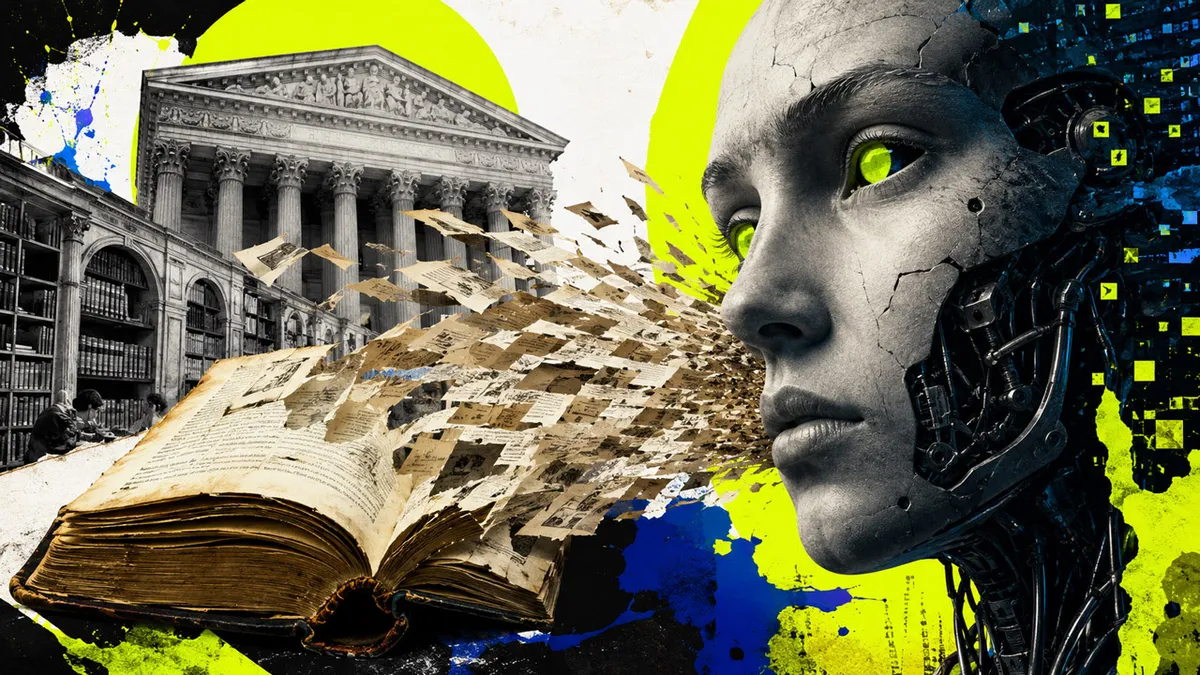
Recent developments in copyright law are raising eyebrows across the publishing and technology sectors, particularly concerning artificial intelligence firms. A recent ruling involving Anthropic has highlighted how these companies are using legal loopholes to justify the shredding of physical books. The court's decision valued the one-for-one replacement of physical texts in the context of copyright, while neglecting to take into account the implications of physical preservation. This ruling has triggered a debate about the intersection of intellectual property rights and the rapidly evolving AI landscape, leaving many questioning the future of traditional publishing.
To understand the gravity of this situation, we must consider the historical context surrounding copyright law and its application to new technologies. Copyright laws were designed to protect the rights of authors and creators, ensuring they can benefit from their work. However, as AI technologies advance, the legal frameworks surrounding these laws are struggling to keep pace. This latest ruling has further exposed the vulnerabilities in copyright legislation, particularly in terms of how it applies to physical copies of literary works versus digital representations. As AI firms find ways to exploit these gaps, the traditional publishing industry finds itself in a precarious position.
The implications of this ruling could have far-reaching effects on the market. If AI firms can continue to operate within these legal boundaries, the demand for physical books may decline as digital alternatives become more readily available. This shift could disrupt established publishing business models, as physical sales diminish and the market increasingly leans toward digital content. Moreover, this ruling may set a precedent that enables further exploitation of copyright loopholes, potentially encouraging other AI firms to follow suit and further erode the protections traditionally afforded to authors and publishers.
Industry reactions have been mixed, reflecting a spectrum of concern and opportunism. Some experts express alarm over the potential for widespread copyright infringement, emphasizing the need for lawmakers to revisit and update copyright laws to account for the unique challenges posed by AI. Others in the tech community view the ruling as a green light for innovation, arguing that the digitization of texts can lead to greater accessibility and efficiency. Notably, authors and publishers are voicing their fears about the long-term impact on their livelihoods, as the erosion of physical book sales could undermine their revenue streams.
Looking ahead, the future of copyright law in the context of AI remains uncertain. As the industry grapples with these emerging challenges, we can expect ongoing discussions and debates among lawmakers, legal experts, and industry stakeholders. The potential for reform is on the horizon, with many advocating for a comprehensive review of copyright legislation to ensure it protects the interests of creators while fostering innovation. As this situation unfolds, all eyes will be on how the legal landscape adapts to the rapid advancements in AI technology and what that means for the future of both physical and digital publishing.

CoinMagnetic Team
Crypto investors since 2017. We trade with our own money and test every exchange ourselves.
Updated: July 2026
From our insights:
Related news

Keystone scraps 19,000 hardware devices following buyer data breach

Ripple secures federal trust bank charter to support RLUSD stablecoin reserves

Solana bug bounty adds 1 SOL burn fee after AI tools generate 809 reports

US spot bitcoin funds recover $110 million following massive $774 million outflow

Ripple secures federal greenlight to launch US national trust bank