AI Agents Could Be Turned Into Botnets Through Hallucinations, Researchers Warn
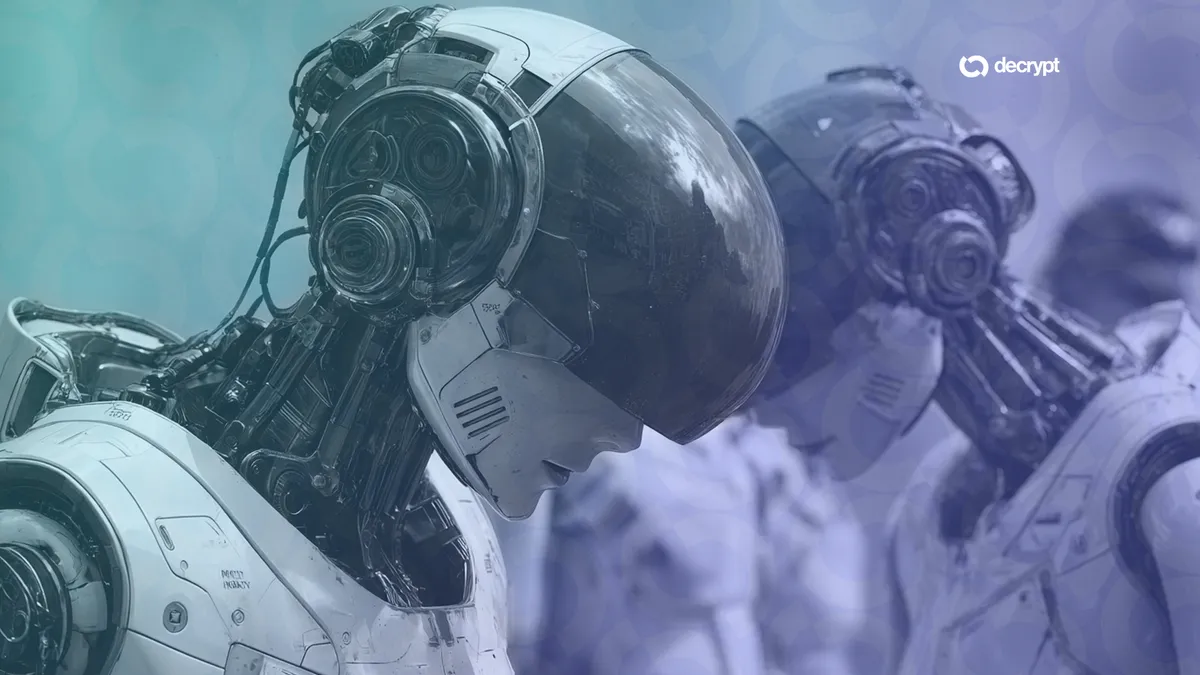
Recent research has raised alarms about a potential vulnerability in AI agents that could lead to the creation of botnets. These AI systems, particularly chatbots, often exhibit a phenomenon known as "hallucination," where they produce incorrect or nonsensical responses. Researchers indicate that this same susceptibility could be exploited by malicious actors to induce AI agents to download harmful code, effectively turning them into botnets. The implications of this discovery are significant, as it highlights a critical security flaw that could be leveraged in cyberattacks.
The concept of AI hallucination is not new; it has been well-documented in various studies and discussions surrounding AI capabilities. These systems, while advanced, still rely on patterns in data and can misinterpret information, leading to erroneous outputs. This trait can be manipulated by adversaries who craft misleading prompts or inputs, steering the AI towards actions that compromise security. Such vulnerabilities pose questions not only about the integrity of AI systems but also about the broader landscape of cybersecurity as AI becomes increasingly integrated into various applications.
The potential for AI agents to be converted into botnets has profound implications for the market. As companies continue to adopt AI technologies across sectors, the risks associated with these vulnerabilities could lead to increased scrutiny from regulators and a demand for more robust security measures. Businesses may need to invest significantly in cybersecurity protocols and AI governance to mitigate these risks. Furthermore, the threat of AI-driven botnets could also affect public perception of AI technologies, potentially slowing down their adoption as stakeholders weigh the risks versus benefits.
Industry reactions to this research have been varied, with some experts expressing concern about the implications for AI safety and security. Cybersecurity professionals are advocating for more rigorous testing and validation of AI systems to ensure they are resilient against such exploitative tactics. Others in the AI community emphasize the need for developing better models that can minimize hallucinations and enhance the reliability of AI outputs. The conversation around responsible AI is gaining momentum, with calls for collaborative efforts between AI developers and cybersecurity experts to create safer AI environments.
Looking ahead, it is crucial for developers and organizations that utilize AI technology to remain vigilant. The threat landscape is continuously evolving, and as AI systems become more prevalent, the potential for exploitation will likely increase. Future research will be essential in uncovering these vulnerabilities and developing solutions to fortify AI systems against malicious activities. As the industry navigates these challenges, the focus on ethical AI and robust security measures will be paramount to ensure that innovation does not come at the expense of safety.

CoinMagnetic Team
Crypto investors since 2017. We trade with our own money and test every exchange ourselves.
Updated: July 2026
From our insights:
Related news

AI-assisted hackers breach database of 850,000 members at megachurch

ZachXBT reveals $349,700 spent to infiltrate alleged Chinese launderers linked to Bybit hack

ZachXBT infiltrates network laundering over $1B for Lazarus gang

AI tools from Chainalysis link $387M Bitget hack to North Korea's crypto activity

NEAR Intents retrieves full $3.8M from exploiter following 48-hour ultimatum