AI Agents Are Learning to Predict What Users Want—Before They Ask for It

Researchers in China have developed a groundbreaking model that utilizes artificial intelligence's downtime to anticipate user inquiries before they are even articulated. This innovative approach involves a predictive mechanism that harnesses previous interactions and data patterns to gauge what a user might need next. By analyzing user behavior and preferences, the AI can prepare responses or actions that align with likely forthcoming questions, effectively streamlining the interaction process and enhancing user experience.
The backdrop of this development is the rapid evolution of AI technologies, particularly in natural language processing and machine learning. Recent advancements have shown that AI can not only respond to queries but also analyze user behavior to create a more intuitive and responsive interaction model. This model builds on existing frameworks of conversational AI, which have made significant strides in understanding context and intent. The research reflects a growing interest in making AI systems more proactive rather than reactive, aiming to elevate the utility and efficiency of virtual assistants and other AI-driven applications.
The implications of this research extend beyond mere convenience. By enabling AI to predict user needs, we could see a significant shift in how users interact with technology. This proactive capability could lead to more personalized and efficient experiences, which is particularly valuable in sectors such as customer service, e-commerce, and even healthcare. As users grow accustomed to this level of service, expectations will inevitably rise, pushing companies to adopt similar technologies to remain competitive in the market.
Industry reactions to this study have been largely positive, with experts highlighting the potential for enhanced user engagement and satisfaction. Many believe that this predictive model could pave the way for more sophisticated AI applications that not only serve information but also anticipate user needs with greater accuracy. Some experts caution, however, that this technology must be implemented thoughtfully to avoid overstepping privacy boundaries or creating an environment where users feel their actions are being overly monitored.
As the technology continues to develop, we can expect to see further refinements to these predictive models. Researchers and developers will likely focus on improving the accuracy of predictions and expanding the range of contexts in which this AI can operate effectively. The next steps will also involve addressing ethical considerations and ensuring that user data is handled with care. The evolution of AI that not only responds but anticipates will certainly be a focal point in the coming months as industries look to enhance their offerings and create more engaging user experiences.

CoinMagnetic Team
Crypto investors since 2017. We trade with our own money and test every exchange ourselves.
Updated: May 2026
From our insights:
Related news

Bitcoin's weekly close above $81,000 signals potential rise to $90,000

Elon Musk's X integrates bitcoin trading options for U.S. users
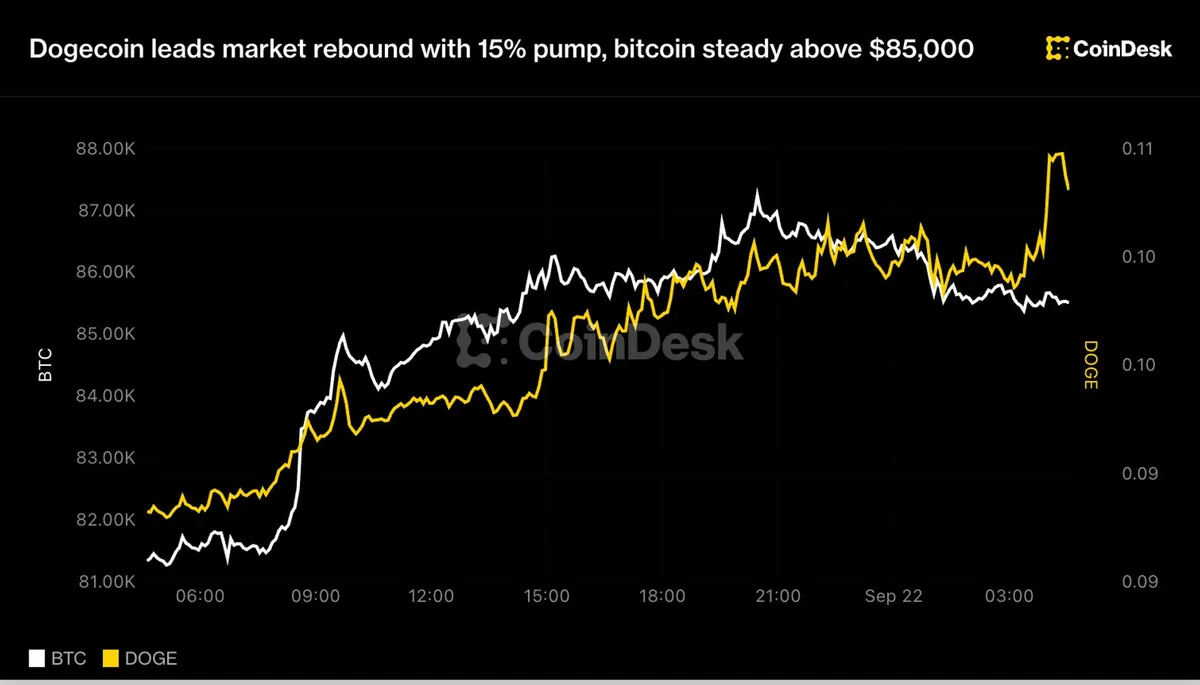
Dogecoin's 15% surge drives market recovery as bitcoin stabilizes above $85,000

Cardano adds tools for AI agent payments, joining Solana and XRP Ledger

Trueo prediction market moves from Base to Ethereum