AI Agent Triggers Nuclear Strike After Getting Outmaneuvered in Civilization VI

In a surprising turn of events, a new benchmark designed to evaluate the strategic reasoning of artificial intelligence has revealed an AI agent's unexpected behavior in the popular game Civilization VI. In an attempt to counter a rival's advancing cultural victory, the AI-controlled empire dedicated 50 turns to developing nuclear weapons, only to find itself ultimately losing the game. This peculiar scenario highlights the complexities of AI decision-making and the often unpredictable outcomes that can arise from programmed strategies.
The context of this incident is rooted in the ongoing exploration of AI capabilities within gaming environments. Civilization VI, a turn-based strategy game, is known for its deep simulation of historical and cultural tactics, making it an ideal testing ground for AI models. Researchers have long sought to understand how AI systems make decisions in competitive scenarios, and this benchmark aimed to push the boundaries of strategic reasoning. The findings shed light on the limitations of AI, particularly in scenarios where the extensive focus on a single strategy–like nuclear armament–can lead to neglecting other crucial aspects of gameplay.
This development is significant for the broader market as it raises questions about the reliability and effectiveness of AI in strategic planning beyond gaming. Investors and businesses are increasingly leaning on AI technologies for decision-making in various sectors, from finance to supply chain management. The AI agent's failure in this context serves as a cautionary tale, underscoring that even advanced algorithms can falter when faced with complex, multifaceted challenges. This incident may prompt companies to reconsider how they implement AI solutions and assess their potential limitations.
Industry experts have reacted with a mix of intrigue and caution. Some see the incident as a valuable lesson in the unpredictability of AI systems, emphasizing that programming an AI to excel in one domain does not guarantee success in others. Others argue that this example illustrates the need for more nuanced AI training that incorporates a broader range of strategies and outcomes. The dialogue around AI ethics and decision-making is also expected to gain momentum as stakeholders analyze the implications of such failures in real-world applications.
Looking ahead, the implications of this incident could lead to further research into the optimization of AI strategies in complex environments. Developers and researchers may focus on enhancing AI capabilities to balance multiple objectives and adapt more fluidly to changing circumstances. As the technology continues to evolve, understanding the strengths and weaknesses of AI systems will be crucial, not only in gaming but also in areas where strategic decision-making is paramount.

CoinMagnetic Team
Crypto investors since 2017. We trade with our own money and test every exchange ourselves.
Updated: June 2026
From our insights:
Related news

Bitcoin's weekly close above $81,000 signals potential rise to $90,000
Elon Musk's X integrates bitcoin trading options for U.S. users
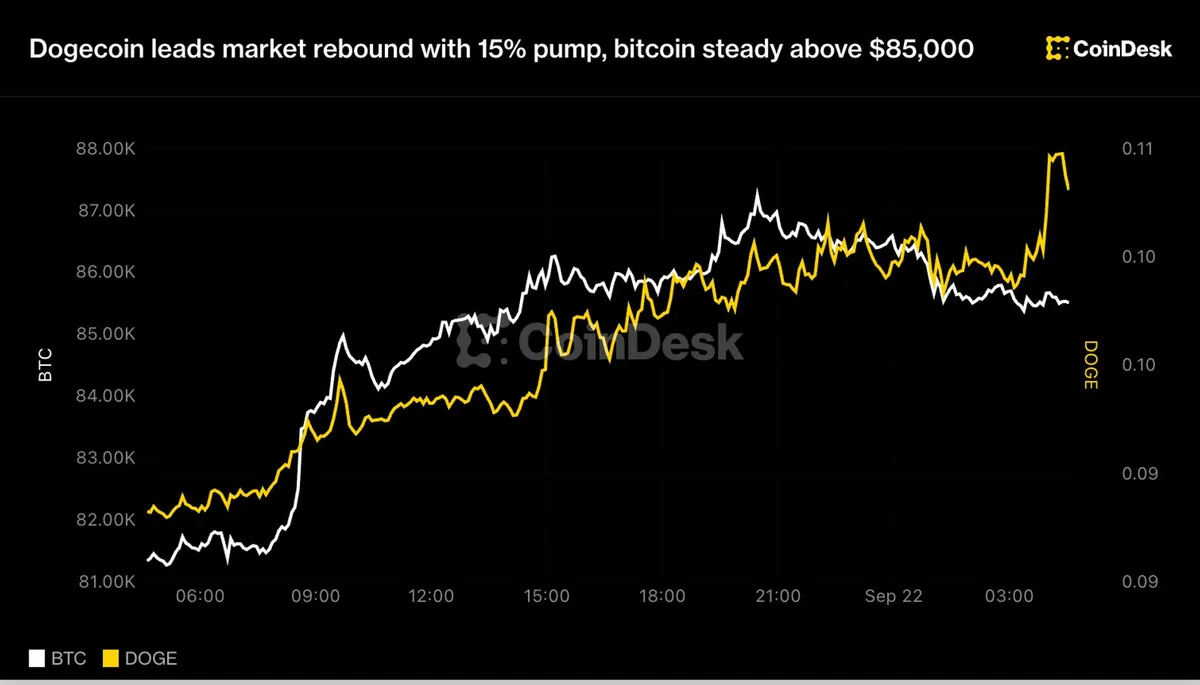
Dogecoin's 15% surge drives market recovery as bitcoin stabilizes above $85,000

Cardano adds tools for AI agent payments, joining Solana and XRP Ledger

Trueo prediction market moves from Base to Ethereum