Agentic commerce will run on crypto rails, PayPal and Google reps tell Consensus Miami
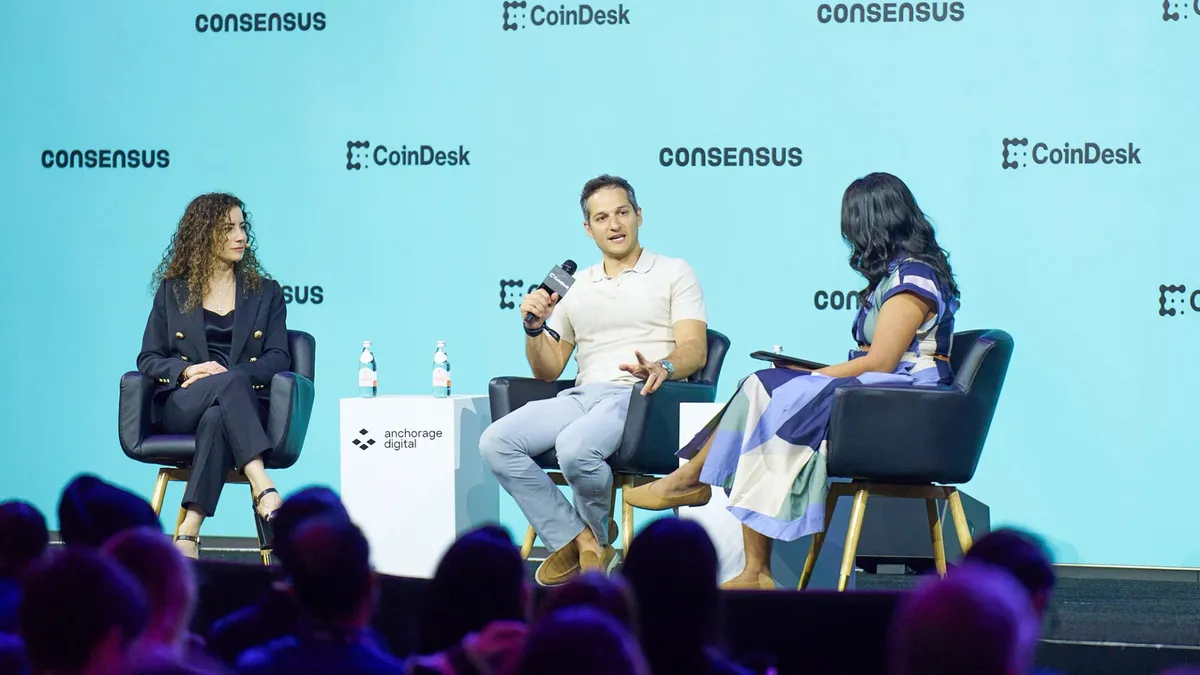
At the recent Consensus Miami event, representatives from PayPal and Google Cloud shared their vision for the future of agentic commerce, emphasizing the crucial role that cryptocurrency will play in its development. Senior figures highlighted the necessity of open payment protocols, machine-readable merchant catalogs, and multi-party crypto custody solutions to effectively scale this innovative commerce model. They believe that by integrating these elements, businesses can enhance their transactional capabilities, streamline operations, and foster a more decentralized and efficient marketplace.
Agentic commerce represents a shift towards a more autonomous and user-driven online shopping experience. The term refers to a system where consumers can directly interact with merchants, utilizing advanced technologies to facilitate transactions without the need for traditional intermediaries. This concept builds on the evolution of e-commerce and the growing adoption of decentralized finance (DeFi) solutions. As digital payments continue to gain traction, the intersection of crypto and agentic commerce is increasingly becoming a focal point for industry leaders seeking to redefine consumer engagement.
The implications of this shift for the market are significant. By utilizing cryptocurrency as the foundational layer for agentic commerce, businesses can potentially reduce transaction costs and enhance security. Furthermore, the open payment protocols proposed by these tech giants could encourage interoperability among various platforms, allowing merchants to tap into broader customer bases. This not only benefits consumers by providing more choices but also fosters competition, which can lead to more innovative services and products in the long run.
Industry reaction has been mixed but generally optimistic. Experts recognize the potential of agentic commerce to revolutionize how transactions are conducted online. Some analysts have pointed out that while the technology is promising, challenges such as regulatory compliance and user education remain hurdles that must be addressed. Additionally, there is a consensus that collaboration among tech companies, financial institutions, and regulatory bodies will be essential to create a supportive ecosystem for these innovations to thrive.
Looking ahead, the next steps involve further development and testing of the proposed technologies. Companies will likely engage in pilot programs to explore the practical applications of open payment protocols and machine-readable catalogs in real-world scenarios. As the landscape evolves, we can expect to see increased collaboration across the industry, with more stakeholders joining the conversation about how to harness the power of crypto to enable agentic commerce. The outcomes of these initiatives could fundamentally reshape the future of online transactions, making them more efficient, user-centric, and secure.

CoinMagnetic Team
Crypto investors since 2017. We trade with our own money and test every exchange ourselves.
Updated: May 2026
From our insights:
Related news
ZetaChain votes to shut down Layer 1 network and move ZETA to Solana

Solana reduces block times by 17% with latest upgrade, boosting transaction freshness

Optimism secures upgrade for Superchain to enable interoperability

Solana boosts transaction size by 3x amid surge in network activity
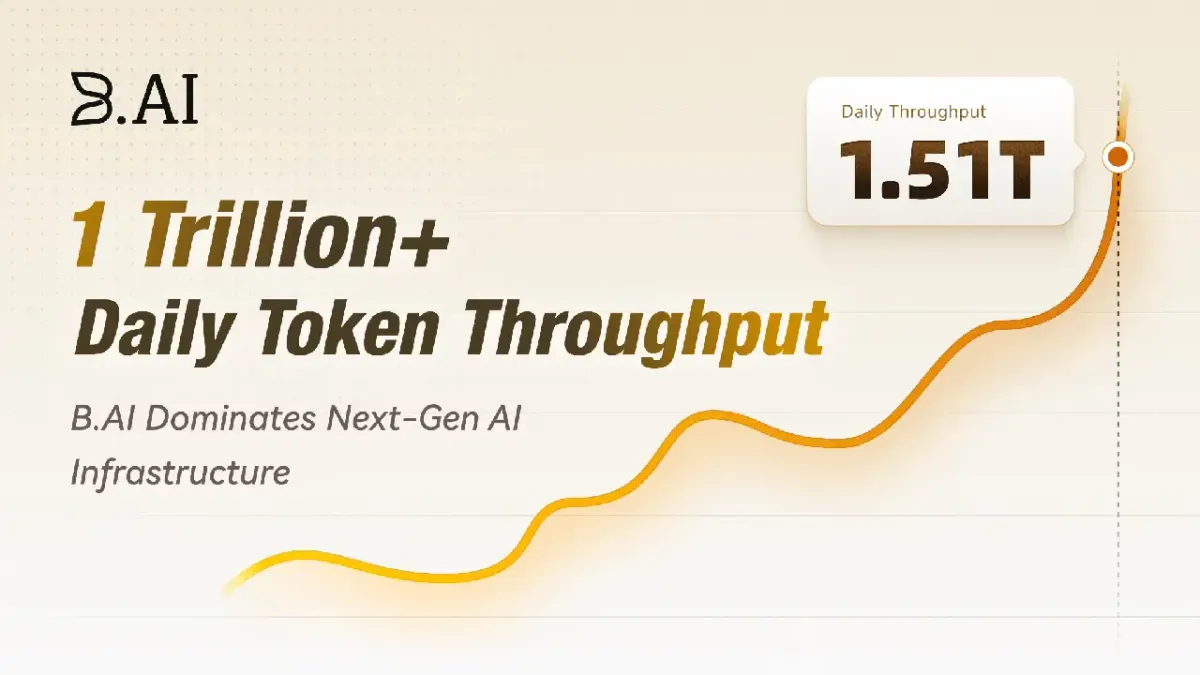
B.AI achieves record 1.51 trillion tokens daily throughput for AI infrastructure