After MiCA deadline, majority of Binance users sent funds to self-custody not other compliant exchanges
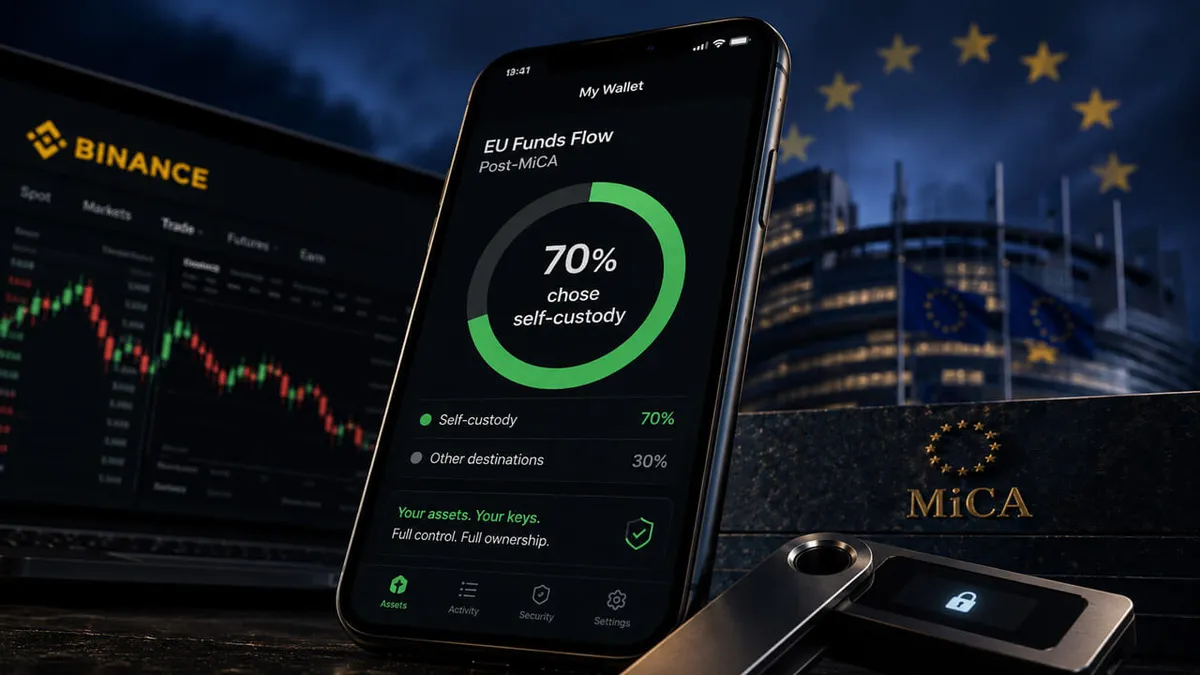
In the wake of the Markets in Crypto-Assets (MiCA) deadline, a significant trend has emerged among Binance users in Europe. Recent reports indicate that a majority of these users have opted to transfer their funds into self-custody wallets rather than moving their assets to other compliant exchanges. This behavior highlights a shift in user sentiment and trust within the crypto ecosystem, as many individuals appear to be prioritizing control over their assets amid regulatory uncertainty. The implications of this trend suggest a rising preference for self-custody solutions, which allow users to retain full ownership and manage their digital assets independently.
To understand this development, it is essential to consider the broader context surrounding MiCA and Binance's operational landscape. MiCA is a regulatory framework established by the European Union aimed at enhancing transparency and protecting consumers in the cryptocurrency market. Binance, as one of the largest cryptocurrency exchanges globally, has found itself at the center of regulatory scrutiny in various jurisdictions. The deadline for compliance with MiCA has prompted many users to reassess their positions, particularly in light of the exchange's ongoing challenges with regulatory bodies. This has contributed to a climate of uncertainty, leading users to seek alternative options for managing their assets.
This trend matters significantly for the cryptocurrency market as it underscores a potential shift in user behavior that could have long-lasting effects on centralized exchanges. With more users gravitating towards self-custody solutions, centralized platforms may see a decrease in trading volumes and liquidity. Furthermore, this movement could spark a broader discussion about the future of custodial services in the industry, as users weigh the risks and benefits of relying on intermediaries versus self-managing their assets. The implications for market dynamics are profound, as a more self-reliant user base could lead to increased volatility and changes in trading patterns.
Industry reactions to this trend have been mixed, with some experts highlighting the potential risks associated with self-custody, while others commend the move towards greater user autonomy. Advocates of self-custody argue that it empowers users and enhances the overall security of digital assets, particularly in a regulatory environment that may not fully support centralized exchanges. Conversely, critics point out the risks of loss or theft associated with self-custody, emphasizing the need for users to educate themselves on best practices for securing their wallets. The debate continues to reflect the broader tensions between user empowerment and the inherent risks of managing one's own assets.
Looking ahead, it will be interesting to observe how this trend evolves and what it means for the future of cryptocurrency exchanges and self-custody solutions. As regulatory frameworks become more defined and user preferences shift, we may see an increase in the development of secure self-custody options, alongside a push for enhanced compliance among centralized exchanges. The balance of power in the crypto ecosystem may be shifting, and stakeholders will need to adapt to a landscape where users increasingly seek control over their digital assets.

CoinMagnetic Team
Crypto investors since 2017. We trade with our own money and test every exchange ourselves.
Updated: July 2026
From our insights:
Related news

High-net-worth crypto adoption outpaces the willingness of wealth advisers
Tokenization supercycle expected as Base sees $100 million in daily volume

UK targets three digital asset platforms over Russian darknet funds

UK targets three crypto exchanges and two payment services over Russia ties

Gate Money aims to lead crypto consumer trends with all-in-one app