After 3 reverse stock splits and a $13.5M loss, this real estate firm bet $8M on crypto it may not be allowed to withdraw

A real estate firm has recently made headlines after committing $8 million to a cryptocurrency investment amidst a backdrop of significant financial challenges, including three reverse stock splits and a staggering $13.5 million loss. The investment, however, comes with strings attached–its full balance is subject to restrictions, which raises questions about the firm’s ability to access its funds. The specific details around the scoped liens and token rights remain unclear, leaving stakeholders uncertain about the actual amount the firm can utilize freely.
Contextually, this move seems part of a broader trend where traditional firms venture into the volatile cryptocurrency market in search of recovery or growth opportunities. The real estate sector has been particularly volatile, with many companies grappling with the impacts of rising interest rates and changing market dynamics. By pivoting towards crypto, this firm appears to be attempting to diversify its portfolio and seek potentially higher returns, albeit at a time when its financial stability is already in jeopardy.
This development is significant for the market as it highlights the ongoing convergence between traditional finance and the digital asset space. Investors and analysts are closely watching how traditional companies navigate these turbulent waters, especially when faced with operational challenges. The decision to invest in crypto, particularly under these circumstances, underscores a growing acceptance of digital assets as a legitimate avenue for capital allocation, even if it comes with inherent risks. It raises important discussions about liquidity risks and regulatory implications that could arise from such investments.
Industry experts have weighed in on this decision, expressing a mix of skepticism and cautious optimism. Some analysts suggest that while diversifying into cryptocurrency might offer high-reward potential, it also amplifies the risks involved, particularly when existing operational challenges are present. Others argue that this could be a strategic move, enabling the firm to tap into an emerging market while potentially recovering from its losses. The broader consensus seems to be that, while the investment could pay off, the restrictions on fund withdrawal could complicate matters significantly.
Looking ahead, the real estate firm now faces the challenge of navigating these new waters effectively. How it manages its investment in crypto, especially with the restrictions on withdrawals, will be crucial in determining its future trajectory. Stakeholders will be keeping a close eye on not only the firm’s financial recovery but also how this investment influences its overall strategy in the coming months. As the intersection of real estate and cryptocurrency evolves, it may set precedents for how other traditional firms approach similar investments.

CoinMagnetic Team
Crypto investors since 2017. We trade with our own money and test every exchange ourselves.
Updated: August 2026
From our insights:
Related news

Ripple adds XRP payments to Stripe and Tempo’s AI standard in new developer kit

Record U.S. diesel prices signal potential inflation and more Fed rate hikes

Celsius estate claims BitMEX wrongfully seized 6,360 BTC during market crash
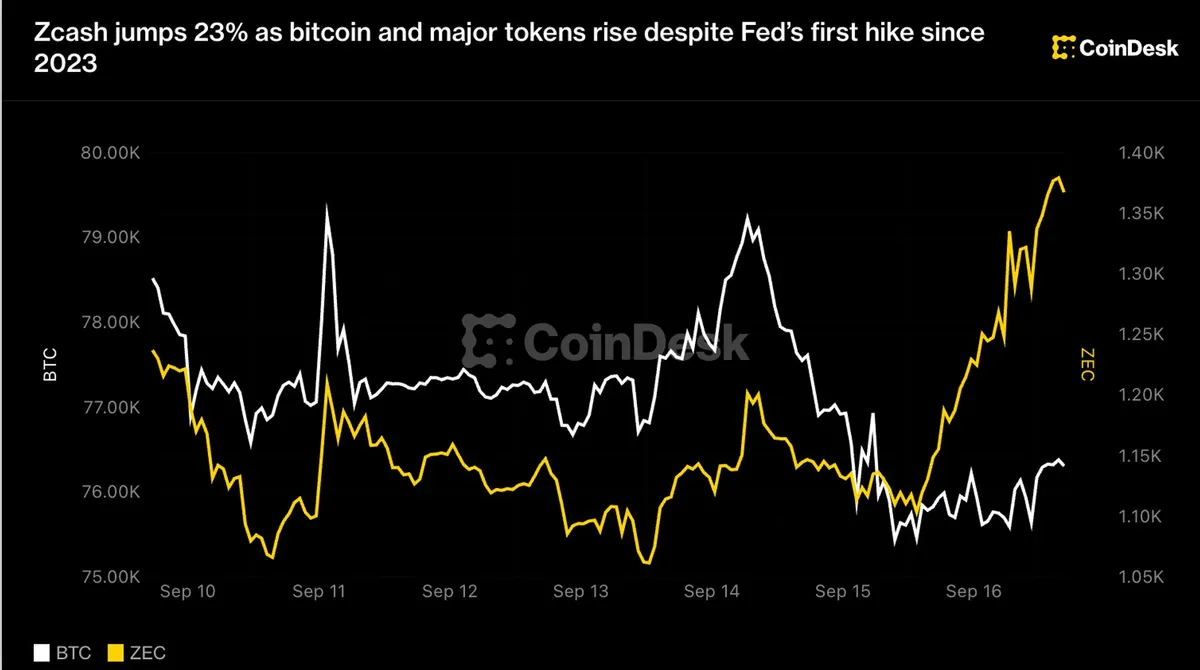
Zcash surges 23% as Bitcoin tops $76,000 amid Fed rate hike news

Ethereum client estimates diverge, raising concerns over network stability