Aave risk manager models 2 bad debt scenarios from Kelp DAO exploit

Recently, the risk management team at Aave has released two potential bad debt scenarios in light of the recent Kelp DAO exploit. The first scenario presents a cheaper option, but it carries the risk of causing the staked Ethereum token, rsETH, to depeg by an estimated 15%. In contrast, the second scenario has a higher cost but aims to better shield the Ethereum mainnet by concentrating losses at the layer 2 level. This analysis reflects the ongoing challenges in managing risks associated with decentralized finance (DeFi) protocols, especially following exploit incidents that can undermine investor confidence.
To understand the significance of this situation, it is crucial to consider the context surrounding the Kelp DAO exploit. This incident has raised alarms across the DeFi ecosystem, as it highlights vulnerabilities that can be exploited by malicious actors. With the rapid growth of DeFi applications, the importance of robust risk management frameworks has never been more pronounced. Aave, as one of the leading lending protocols in the space, is taking proactive steps to model possible outcomes and mitigate risks, ensuring that they can navigate the complexities of an evolving market.
The implications of these scenarios are significant for the broader crypto market. Aave’s analysis may set a precedent for how other DeFi platforms approach risk management in the wake of exploits. Investors are keenly observing how vulnerabilities are addressed, as any misstep could lead to broader market repercussions. The potential depegging of rsETH could have ripple effects on the liquidity and stability of related assets, which is a concern for many stakeholders. As DeFi continues to mature, the strategies adopted by prominent players like Aave could shape market expectations and investor sentiment.
Industry reactions to the proposed scenarios have been mixed, with some experts praising Aave’s proactive approach while others express concerns over the potential fallout from the depegging risk. Risk management specialists are noting that while cost-effective solutions are appealing, they may not always align with the long-term health of the ecosystem. The debate emphasizes the delicate balance DeFi protocols must strike between maintaining operational efficiency and ensuring robust protection against potential threats.
Looking ahead, Aave’s risk management strategies will likely evolve as they draw insights from the Kelp DAO incident. The outcomes of their proposed scenarios may lead to further refinements in their risk models and potentially influence the development of new protocols aimed at enhancing security. As the industry continues to grapple with the realities of DeFi, the lessons learned from this exploit will undoubtedly play a role in shaping future practices and standards across the sector.

CoinMagnetic Team
Crypto investors since 2017. We trade with our own money and test every exchange ourselves.
Updated: April 2026
From our insights:
Related news
SoFi begins stablecoin settlement on Mastercard network for program expected to exceed $25 billion in annualized volume

A $3.2 million 'bitcoin butterfly' option trade bets on $95,000 by the end of October
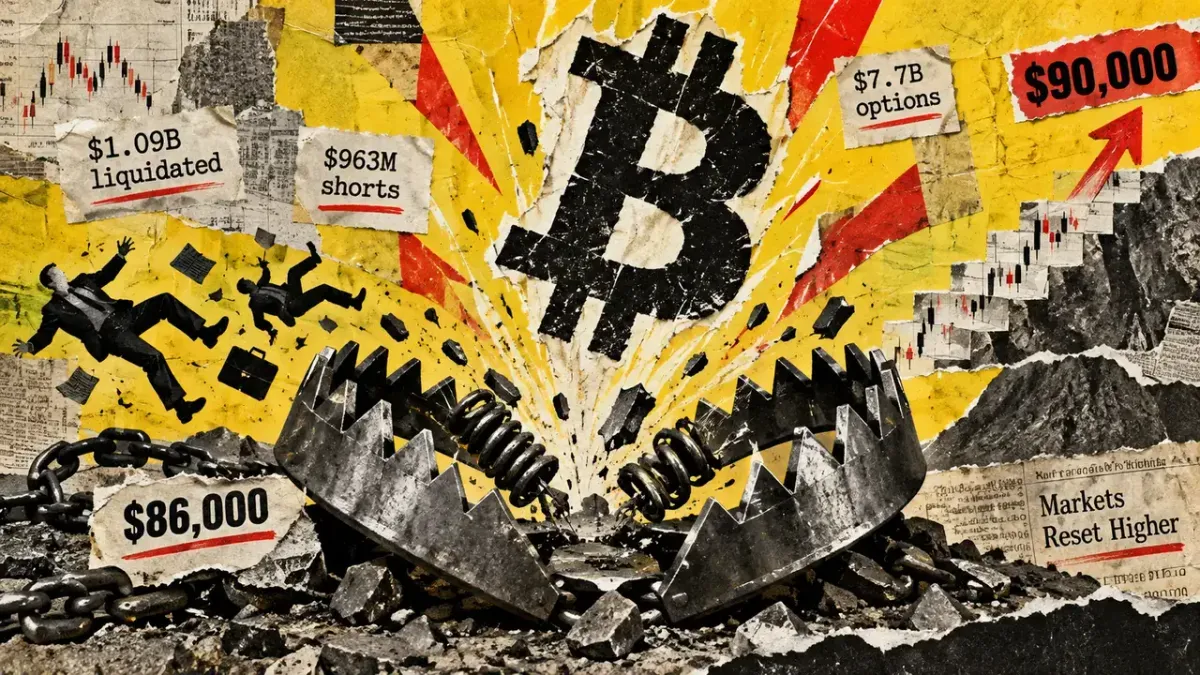
Bitcoin surges past $86,000 as $1 billion in shorts are liquidated, eyes on $90,000
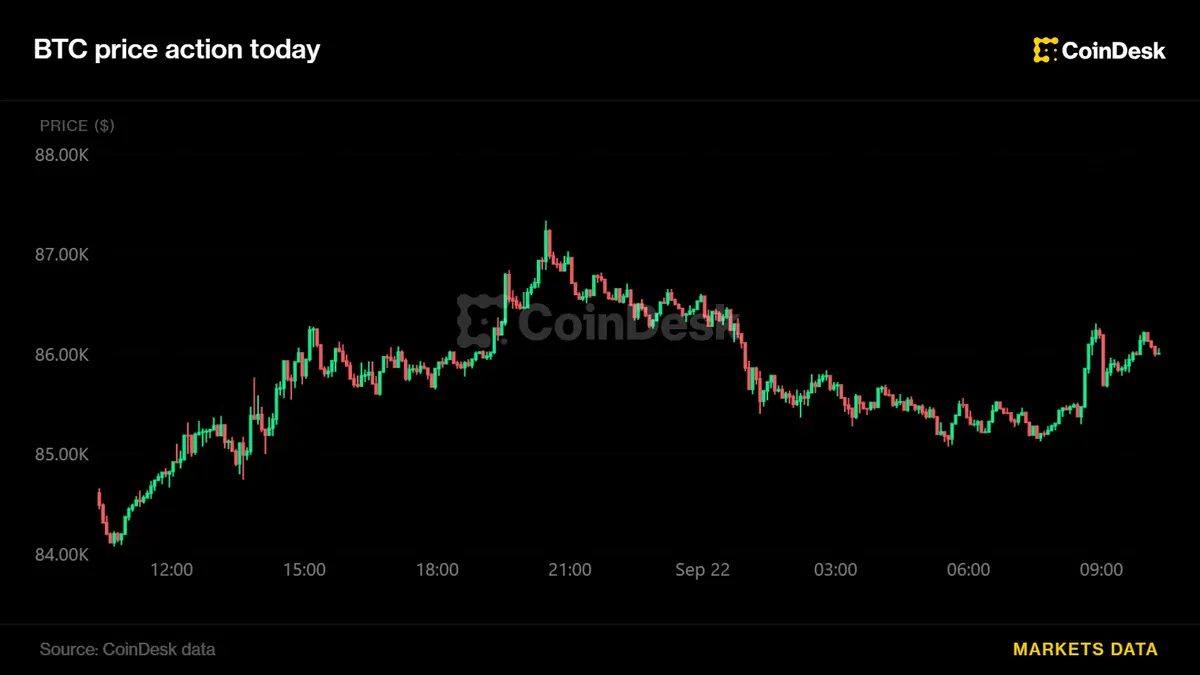
Bitcoin bounces back to $86,000 as oil prices decline and stocks rise

Prediction markets projected to reach $10 trillion by 2035, surpassing sports