Core DAO validator reward issue halts exchange transfers and raises token issuance concerns
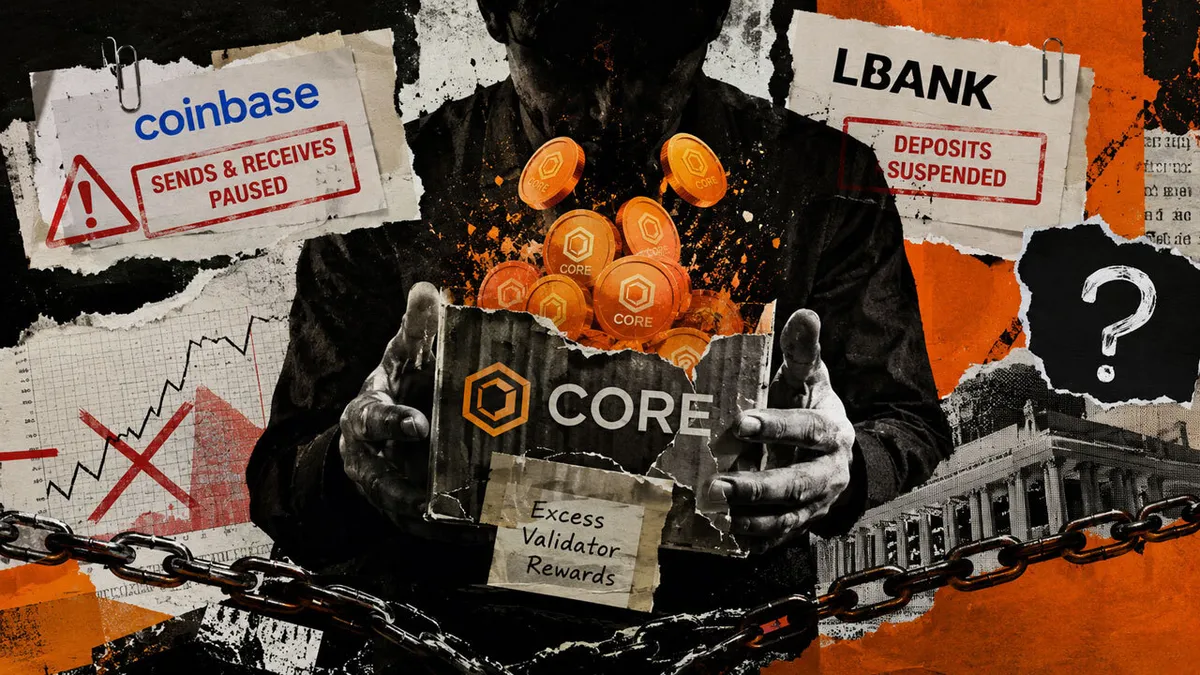
A significant issue has emerged within the Core DAO ecosystem, as a validator reward failure has led to major repercussions across cryptocurrency exchanges. Coinbase has temporarily paused all sends and receives of CORE tokens, while LBank has also suspended deposits. This unexpected event has raised questions regarding the issuance of tokens, as no definitive quantification of excess rewards has been provided by Core DAO. The halt in transactions has created a ripple effect that could impact users and traders alike, leaving many in a state of uncertainty.
The background of this situation lies in the mechanics of how validator rewards are distributed within the Core DAO framework. Validator rewards are crucial for incentivizing participation in the network, ensuring that validators maintain the integrity and security of transactions. When a failure occurs in this distribution, it not only disrupts the expected flow of tokens but also raises alarms about the overall governance and operational framework of Core DAO. Previous incidents in similar decentralized autonomous organizations have shown how such failures can lead to wider market implications, making this a moment of concern for the Core community.
This incident is particularly significant for the market as it highlights vulnerabilities in decentralized governance models. The suspension of token transfers by major exchanges like Coinbase and LBank could deter investor confidence, potentially leading to a decline in the value of CORE tokens if the issue is not resolved swiftly. For many investors, the uncertainty surrounding token issuance adds another layer of risk, which could lead to increased volatility in CORE's market price. As the situation unfolds, traders will be closely monitoring developments to gauge potential impacts on their strategies.
Industry reactions have been varied, with some experts expressing concern over the governance mechanisms that allowed this failure to occur. Analysts are emphasizing the need for more robust systems to manage validator rewards and ensure transparency in token issuance. The core DAO community may need to engage in discussions about improving their protocols to prevent similar issues in the future. Additionally, the incident has raised questions about how exchanges handle token transfers during systemic failures, highlighting a need for clearer communication and more stringent security measures.
Looking ahead, the Core DAO team will likely need to address this validator reward failure urgently to restore trust among users and exchanges. An official statement clarifying the situation and outlining next steps could help mitigate fears within the community. Furthermore, proactive measures to enhance the governance framework may be necessary to prevent future disruptions. As the ecosystem continues to evolve, stakeholders will be keenly observing how Core DAO navigates this challenge and what changes may be implemented.

CoinMagnetic Team
Crypto investors since 2017. We trade with our own money and test every exchange ourselves.
Updated: September 2026
From our insights:
Related news

Marqeta clients gain access to Coinbase stablecoin card infrastructure
Canadian military members face charges over crypto exchange owner kidnapping

Coinbase, Robinhood and Marathon earnings targets spark new prediction markets
Gemini denied bid to undo 2025 settlement despite backing from the CFTC
Binance.US targets $1 billion valuation in $100 million funding effort