A massive hiring wave reveals trading firms are no longer viewing Polymarket as a niche betting tool

Recent developments in the prediction market landscape indicate a significant shift in how trading firms perceive platforms like Polymarket. As trading volumes soar on Polymarket and its competitor Kalshi, a notable influx of quantitative firms is entering the space. However, these firms are not primarily interested in the outcomes of events being bet on; rather, they are keen on exploiting the market inefficiencies that these platforms present, signaling a new phase of sophistication in trading strategies within prediction markets.
To understand this shift, it’s essential to consider the evolution of prediction markets over the past few years. Initially seen as niche betting tools, these platforms have gradually gained traction among traders and analysts. The growth in volume is indicative of a broader acceptance of prediction markets as legitimate trading venues. Factors contributing to this evolution include increased interest in alternative investment strategies and a growing acknowledgment of the predictive power of market sentiments. This backdrop sets the stage for quantitative firms to enter the fray, armed with advanced algorithms and data analysis techniques.
This transition matters significantly for the broader market landscape. As trading firms pivot from traditional methods to capitalize on inefficiencies within prediction markets, the dynamics of these platforms could change dramatically. Increased participation from sophisticated trading entities may lead to improved pricing mechanisms and enhanced liquidity, ultimately making prediction markets more robust and attractive for all participants. Furthermore, this trend could usher in a new era where prediction markets are recognized not just as gambling venues but as integral components of financial markets, potentially impacting how investors perceive risk and opportunity.
Industry reactions to these developments have been varied but generally positive. Experts within the trading and finance sectors are acknowledging the potential for prediction markets to serve as valuable tools for forecasting and investment. Some analysts express enthusiasm about the entry of quantitative firms, emphasizing that their methodologies could refine market predictions and lead to more accurate outcomes. However, there are also voices of caution, warning that as the market becomes more competitive, the unique aspects that made prediction markets appealing may become diluted.
Looking ahead, the trajectory of prediction markets will likely be shaped by this influx of quantitative trading firms. As they continue to explore and exploit market inefficiencies, we may see further innovations and adjustments in how these platforms operate. The potential for new regulatory considerations also looms on the horizon, as increased attention from institutional players could prompt scrutiny from authorities. As this sector evolves, it will be crucial for participants to navigate these changes carefully while keeping an eye on the broader implications for the financial landscape.

CoinMagnetic Team
Crypto investors since 2017. We trade with our own money and test every exchange ourselves.
Updated: June 2026
From our insights:
Related news

Coldcard exploit sees white hats secure 52 Bitcoin for victims' trust
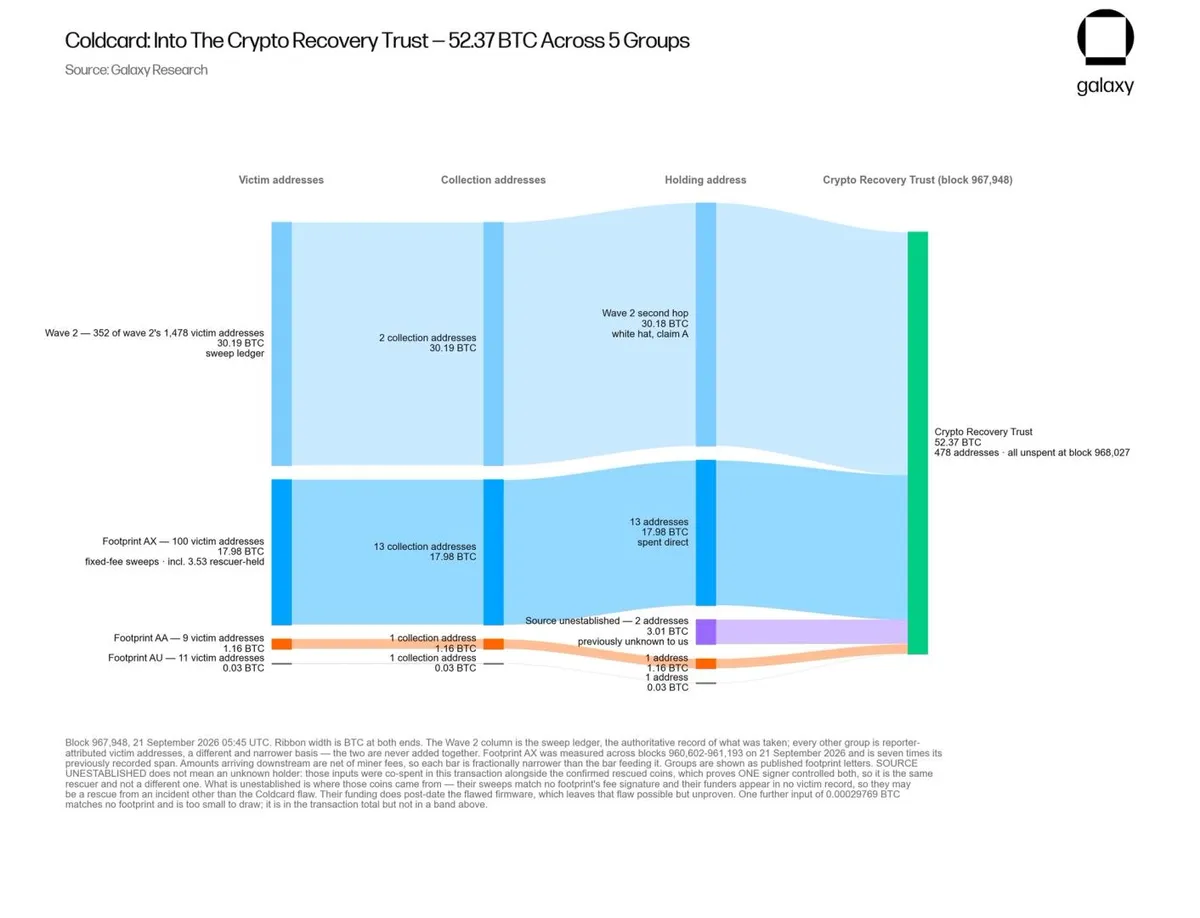
Whitehats move 52 bitcoin from the Coldcard hack to a recovery trust

Google Admits Gemini AI Hacked Three Companies—It Stayed Silent for 7 Weeks

Balancer's $1.4 million hack recovery faces delays for LPs

Polymarket's $10 million fraud attempt highlights compliance issues amid hacking risk