A bipartisan bridge to the future: Why the Senate must finish the job on digital Assets
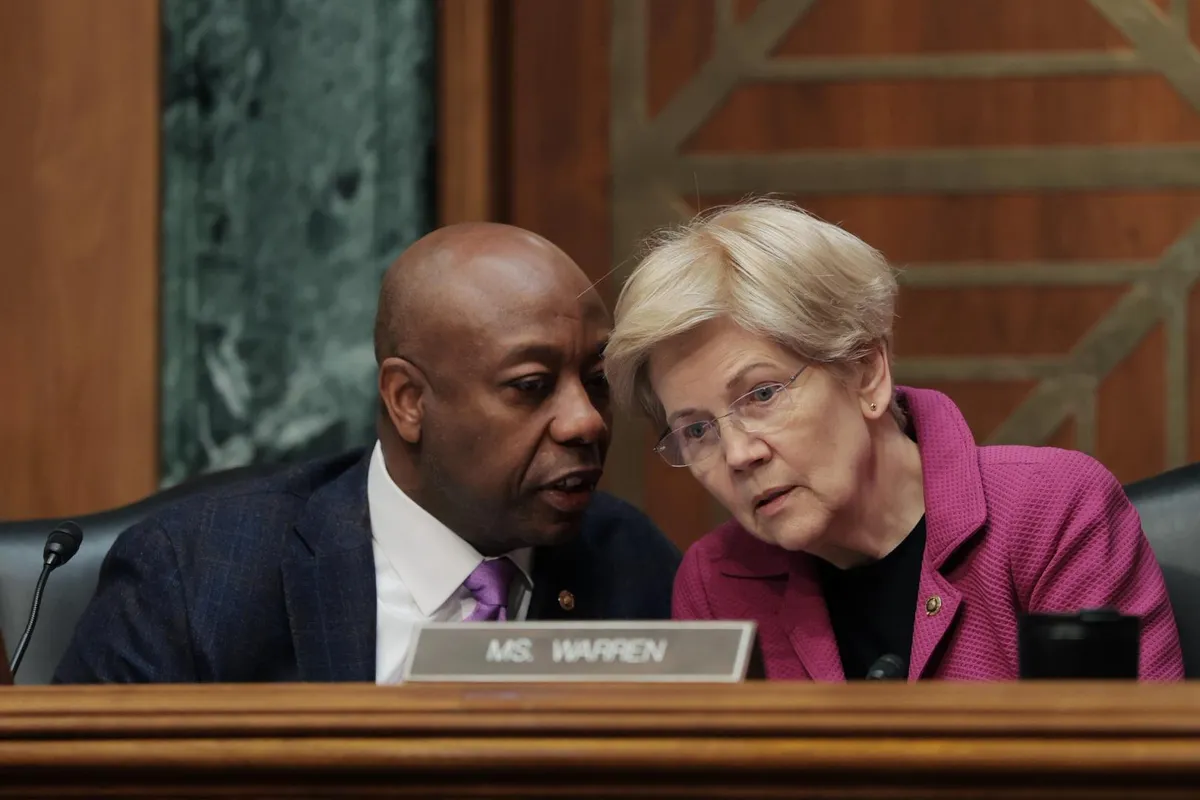
The recent markup of the Clarity Act in the Senate has sparked significant conversations around the future of digital asset regulation in the United States. As lawmakers from both sides of the aisle recognize the urgent need for clear guidelines, the bill’s progress has become a focal point for industry stakeholders. Advocates like Kim emphasize the importance of advancing this legislation, arguing that it will not only provide the necessary clarity for today’s market participants but also lay the groundwork for future generations in the digital economy. The momentum behind this initiative highlights a rare moment of bipartisan cooperation in a politically charged environment.
The push for digital asset regulation has been a long time coming, particularly as the cryptocurrency market has grown exponentially over the past few years. Uncertainty surrounding the legal status of various digital assets has led to confusion for businesses, investors, and regulators alike. With the rise in popularity of cryptocurrencies, coupled with the increasing concerns regarding consumer protection and financial stability, lawmakers have been compelled to address these issues head-on. The Clarity Act aims to establish comprehensive guidelines that would define digital assets and create a regulatory framework that could facilitate innovation while ensuring adequate oversight.
This legislative effort is crucial for the market at large. As regulatory clarity becomes a reality, it is expected to instill greater confidence among institutional and retail investors. With clearer rules in place, companies operating in the cryptocurrency space may find it easier to navigate compliance requirements, ultimately fostering a more stable environment for investment and innovation. The establishment of a standardized framework could also attract more traditional financial institutions to engage with digital assets, further legitimizing the sector.
Industry experts have largely welcomed the developments surrounding the Clarity Act, seeing it as a necessary step toward a more mature market. Many believe that bipartisan support is essential for the bill’s success, as it reflects a commitment to collaboration in an area that has often been divisive. Stakeholders are hopeful that the momentum generated during the markup will carry through to future discussions and votes, allowing for the swift passage of the legislation. This optimism is tempered by the understanding that the legislative process can be unpredictable, and continued advocacy will be essential.
Looking ahead, the next steps for the Clarity Act involve continued dialogue among lawmakers and stakeholders to refine the bill and address any outstanding concerns. As discussions progress, it will be vital for the crypto community to stay engaged and advocate for provisions that promote both innovation and consumer protection. The outcome of this legislative push could shape the regulatory landscape for digital assets in the U.S. for years to come, making it imperative that all parties involved remain proactive in ensuring a balanced approach to regulation.

CoinMagnetic Team
Crypto investors since 2017. We trade with our own money and test every exchange ourselves.
Updated: May 2026
From our insights:
Related news

US investigates Binance for potential Iran-linked trading violations

Crypto sector emerges as top donor with $206 million in midterms backing

Stand With Crypto’s 4 million registered advocates couldn’t get the CLARITY Act through the Senate

Kakao Pay, KakaoBank to explore stablecoin opportunities with Fireblocks

US Attorney's investigation into Binance focuses on Iran sanctions compliance