A $300M borrowing spike on Aave signals liquidity crunch after exploit

In a notable development within the decentralized finance (DeFi) landscape, Aave has experienced a significant spike in borrowing activity, amounting to $300 million. This surge comes in the wake of the recent KelpDAO hack, which has raised concerns about liquidity in the stablecoin markets. The hack, which occurred over the weekend, has sent ripples through the crypto ecosystem, prompting users to seek additional liquidity in response to heightened uncertainty. As traders and investors adjust to the aftermath of this exploit, the implications for the broader DeFi space are becoming increasingly pronounced.
The KelpDAO incident is not an isolated event but rather a part of a larger trend of vulnerabilities plaguing DeFi protocols. Over the past year, the industry has witnessed a series of high-profile hacks that have underscored the potential risks associated with smart contracts and decentralized applications. The KelpDAO exploit specifically targeted certain vulnerabilities in the protocol, resulting in a loss of funds that has left many users scrambling for safety and liquidity. This backdrop of insecurity has contributed to the current spike in borrowing on Aave, as users look to hedge against further risks and secure their positions.
This increase in borrowing on Aave serves as an indicator of the current market sentiment, reflecting a growing liquidity crunch amid fears of instability. As traders rush to access funds, the dynamics of supply and demand within the lending platform are shifting. The spike could signal a broader trend of risk aversion within the crypto space, as users prioritize liquidity in uncertain times. Moreover, this situation may prompt other DeFi protocols to reassess their security measures and liquidity strategies to ensure they can withstand similar shocks in the future.
Reactions from industry experts have been mixed, with some viewing the spike in borrowing as a necessary response to the exploit, while others express concern over the long-term implications for DeFi. Analysts point out that while Aave's liquidity crisis might be temporary, it highlights the fragility of the ecosystem in the face of security breaches. Additionally, some experts suggest that this incident could catalyze a reevaluation of governance and security protocols across various DeFi projects, potentially leading to more robust frameworks designed to safeguard user assets.
Looking ahead, the situation remains fluid. The aftermath of the KelpDAO hack will likely continue to influence borrowing patterns on Aave and other DeFi platforms. Market participants will be keeping a close eye on how liquidity dynamics evolve in response to ongoing security concerns. As the community grapples with the implications of this exploit, it will be crucial for projects to enhance their security measures and for users to remain vigilant in navigating the evolving landscape of decentralized finance.

CoinMagnetic Team
Crypto investors since 2017. We trade with our own money and test every exchange ourselves.
Updated: April 2026
From our insights:
Related news
Coldcard exploit sees white hats secure 52 Bitcoin for victims' trust
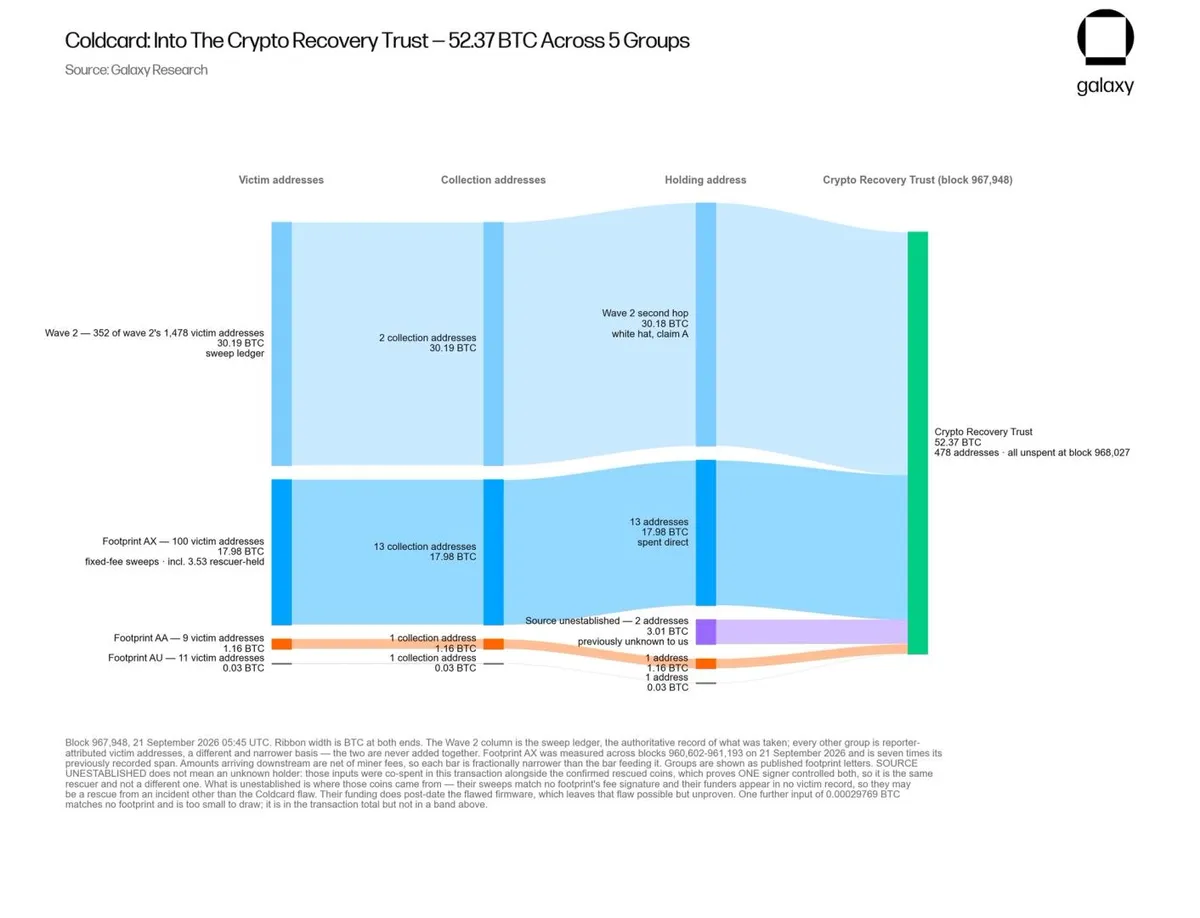
Whitehats move 52 bitcoin from the Coldcard hack to a recovery trust

Google Admits Gemini AI Hacked Three Companies—It Stayed Silent for 7 Weeks

Balancer's $1.4 million hack recovery faces delays for LPs

Polymarket's $10 million fraud attempt highlights compliance issues amid hacking risk