Exploring five alternative ways to secure bitcoin beyond Ledger hardware wallets
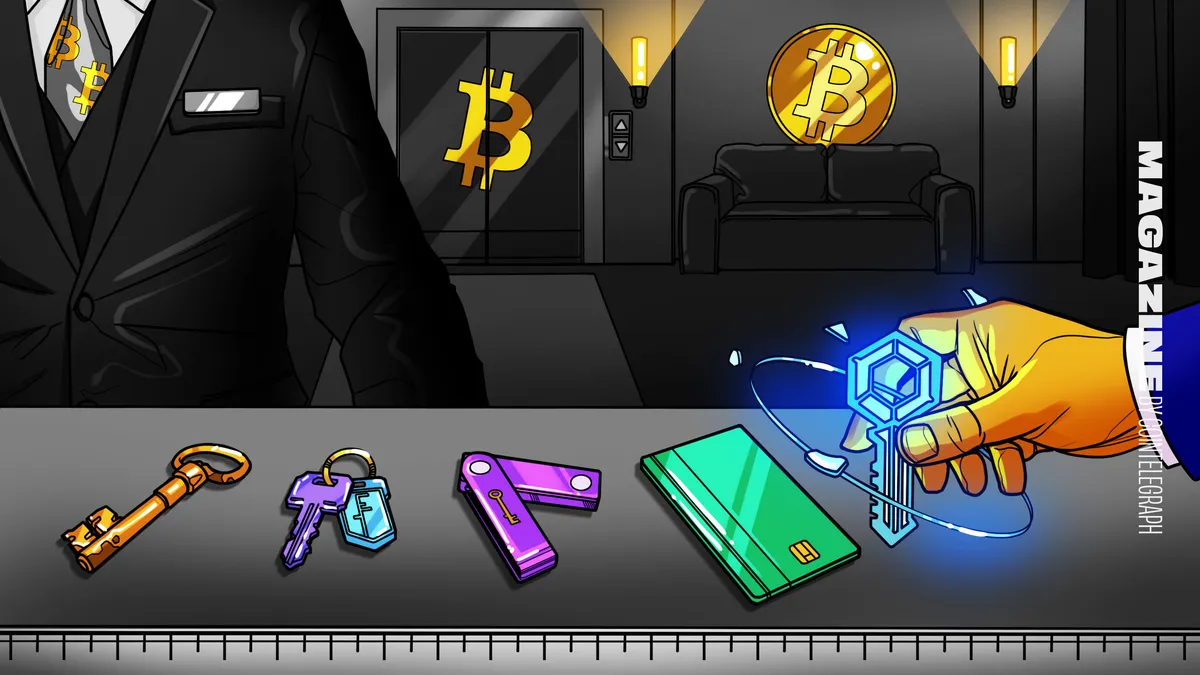
When it comes to safeguarding digital assets, hardware wallets like Ledger have long been the default choice for many cryptocurrency holders. However, relying on a single physical device is not the only path to security. As the ecosystem matures, investors are increasingly exploring alternative methods to store and protect their bitcoin, ranging from regulated financial products to advanced cryptographic setups. Each of these options introduces its own unique set of security dynamics, user experience hurdles, and potential failure points that require careful consideration.
Historically, the debate around self-custody versus third-party custody has defined much of the crypto narrative. Hardware wallets gained immense popularity because they keep private keys offline, protecting users from online exchange hacks and malicious software. Yet, hardware devices come with physical risks, such as loss, theft, or supply chain vulnerabilities, prompting developers and financial engineers to design alternative security models that distribute trust or eliminate the need for physical hardware altogether.
For the broader market, the availability of diverse storage alternatives matters because it lowers the barriers to entry while catering to different risk profiles. Institutional investors and high-net-worth individuals often prefer the regulatory compliance and ease of access offered by spot exchange-traded funds, even if it means sacrificing direct self-custody. On the other hand, privacy advocates and technical users continue to push the boundaries of cryptographic security through multi-signature arrangements and passkey integrations, ensuring that the market retains a robust spectrum of security choices.
Industry experts generally agree that there is no single solution that fits every type of bitcoin holder. Security professionals frequently point out that the best storage method depends largely on an individual's technical proficiency and the amount of capital they intend to protect. While passkeys and software-based solutions offer greater convenience for everyday transactions, multisig setups and institutional custodians provide the heavy-duty protection necessary for generational wealth preservation.
As the digital asset landscape continues to evolve, we can expect the security toolkit available to bitcoin holders to expand even further. Innovations in cryptography and user interface design will likely bridge the gap between usability and ironclad protection, making alternative storage methods more accessible to the average user. Ultimately, understanding the trade-offs of each option remains the most effective way to navigate the complexities of cryptocurrency custody.

CoinMagnetic Team
Crypto investors since 2017. We trade with our own money and test every exchange ourselves.
Updated: October 2026
From our insights:
Related news

Bitcoin set to outpace real estate, stocks and gold over 10 to 15 years

Mural secures $15 million Series A led by Tether to expand AI payments
FINMA greenlights direct bitcoin holding for retail investors via new fund
BlackRock drives U.S. spot Bitcoin ETFs to $526.7 million in single-day inflows

JPMorgan projects 10% annual bitcoin return while flagging 55% volatility