'47 Ronin' Director Gets 30 Months for Spending Netflix's $11M on Dogecoin
In a surprising turn of events, Carl Rinsch, the director known for his work on '47 Ronin', has been sentenced to 30 months in prison for misappropriating $11 million from Netflix. Rinsch used the funds to gamble on stock options and invest in Dogecoin, which has been a volatile and speculative cryptocurrency. According to reports, he then squandered his winnings on extravagant purchases, including luxury cars and watches. This case highlights not only the risks associated with unchecked financial behavior but also the potential consequences when corporate funds are mishandled.
Rinsch’s case stems from a broader context of the entertainment industry, where financial mismanagement can have far-reaching implications. The initial investment by Netflix was intended for a film project, but Rinsch's decision to pivot towards high-risk investments raises questions about oversight in financial dealings within the entertainment sector. As cryptocurrencies like Dogecoin gained popularity, many investors were lured by the promise of quick returns, often ignoring the inherent risks involved. Rinsch’s actions serve as a cautionary tale for both individuals and companies navigating the volatile landscape of digital assets.
This incident has significant implications for the market, particularly as it relates to the perception of cryptocurrencies in the mainstream. The involvement of a high-profile figure like Rinsch, who gambled with substantial funds, may fuel skepticism among traditional investors. It underscores the importance of regulation and transparency in the cryptocurrency space, especially as more corporations begin to explore digital assets. The negative publicity surrounding Rinsch's case could deter institutional investment in cryptocurrencies, as firms may fear reputational damage associated with high-risk ventures.
Industry reactions to Rinsch's sentencing have been mixed. Some experts argue that this case will lead to increased scrutiny of how corporate funds are handled in the crypto space, potentially leading to stricter regulations. Others believe it could fuel a narrative that positions cryptocurrencies as risky and irresponsible investments. Furthermore, this case may prompt discussions around the need for educational resources for investors, especially those in creative fields who may not have extensive financial backgrounds.
Looking ahead, it remains to be seen how this incident will influence both the entertainment and cryptocurrency industries. Companies may take a more cautious approach to financial investments, particularly in high-risk areas like digital currencies. Additionally, regulators may seek to implement measures aimed at preventing similar misappropriations in the future. As the landscape continues to evolve, it will be crucial for stakeholders to remain vigilant and informed about the risks and opportunities that lie ahead.

CoinMagnetic Team
Crypto investors since 2017. We trade with our own money and test every exchange ourselves.
Updated: June 2026
From our insights:
Related news

Evernorth's XRP purchasing capacity at risk from SPAC shareholder redemptions
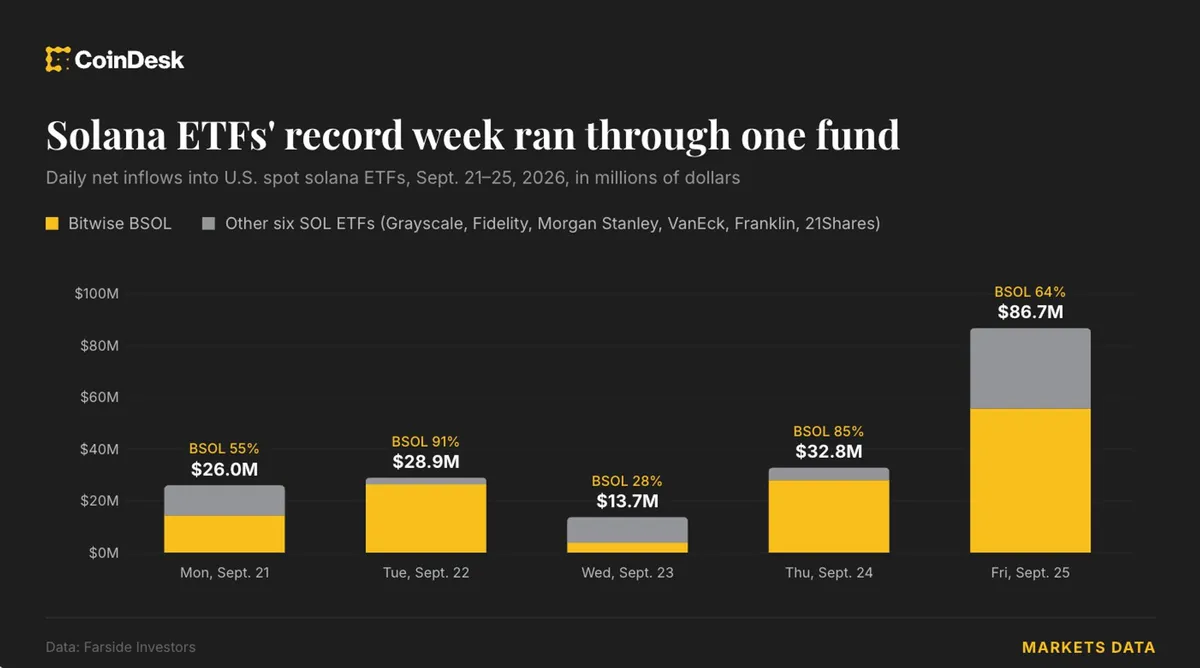
Solana ETFs draw record $188 million in a week as Bitwise takes two-thirds of inflows
Institutional investors divided on Bitcoin's future as market bets change
CFTC claims Cash FX misappropriated most of $950M in forex scheme

Sygnum provides trading collateral for Bitget's institutional clients amid retail fund freeze