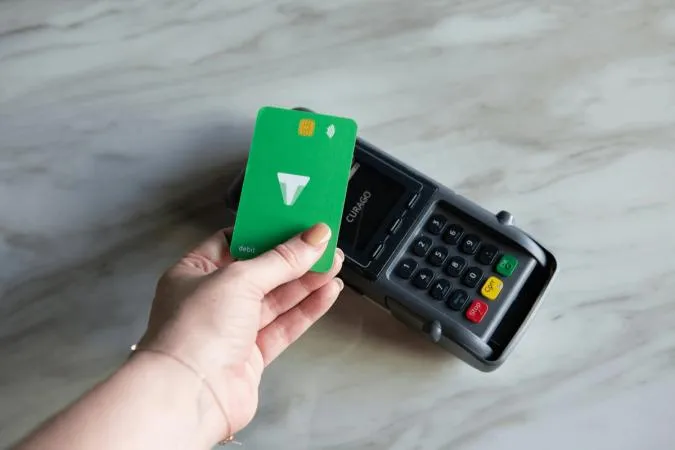
24/7 financial rails: How BNY plans to eliminate the weekend lag in U.S. Treasuries

BNY Mellon has announced an ambitious plan to revolutionize the trading of U.S. Treasuries by eliminating the traditional weekend lag in settlements. The bank is set to begin testing tokenized Treasuries on a private blockchain by the end of this year, which will facilitate quicker and more efficient transactions. By expanding its settlement network to encompass more international trading hours, BNY Mellon aims to address the growing demand for around-the-clock trading capabilities. This development could significantly impact how institutional investors manage their treasury portfolios, leading to enhanced liquidity and more seamless transactions.
To understand the significance of this initiative, it is essential to consider the current landscape of U.S. Treasury trading. Traditionally, the settlement of treasury transactions has been restricted by banking hours, leading to delays during weekends and holidays. This limitation has been a point of contention for many investors who seek to capitalize on market fluctuations that occur outside of regular trading hours. BNY Mellon's efforts to adopt blockchain technology for tokenizing Treasuries represents a pivotal shift in this paradigm, enabling a more agile and responsive trading environment.
The implications of BNY Mellon's move are profound for the broader financial market. As the demand for 24/7 trading grows, the introduction of tokenized Treasuries could attract a wider range of investors, including those from international markets. By facilitating instantaneous settlements, the bank's blockchain initiative could also reduce counterparty risk and enhance the overall efficiency of treasury markets. This shift aligns with the broader trend toward digital assets and decentralized finance, where speed and accessibility are paramount.
Industry experts have reacted positively to BNY Mellon's announcement, noting that the adoption of a private blockchain for treasury trading could set a precedent for other financial institutions. Analysts suggest that this move may encourage further innovation in the realm of digital assets, particularly as more players in the market recognize the benefits of tokenization. Some experts also caution that while the technology holds promise, regulatory considerations and market readiness will be crucial in determining the success of this initiative.
Looking ahead, BNY Mellon’s testing phase for tokenized Treasuries will be closely monitored by market participants. If successful, this project could pave the way for a more integrated global trading network that operates beyond conventional banking hours. The bank's commitment to enhancing its settlement network could also inspire other financial institutions to explore similar technologies, potentially reshaping the future of treasury trading and broadening access for investors worldwide. As we approach the testing phase, the market will undoubtedly be eager to see how these developments unfold.

CoinMagnetic Team
Crypto investors since 2017. We trade with our own money and test every exchange ourselves.
Updated: July 2026
From our insights:
Related news
American Bankers Association accuses OCC of undermining Congress with final stablecoin rewards rule

Bessent compares GENIUS Act to historic Lincoln-era banking reforms
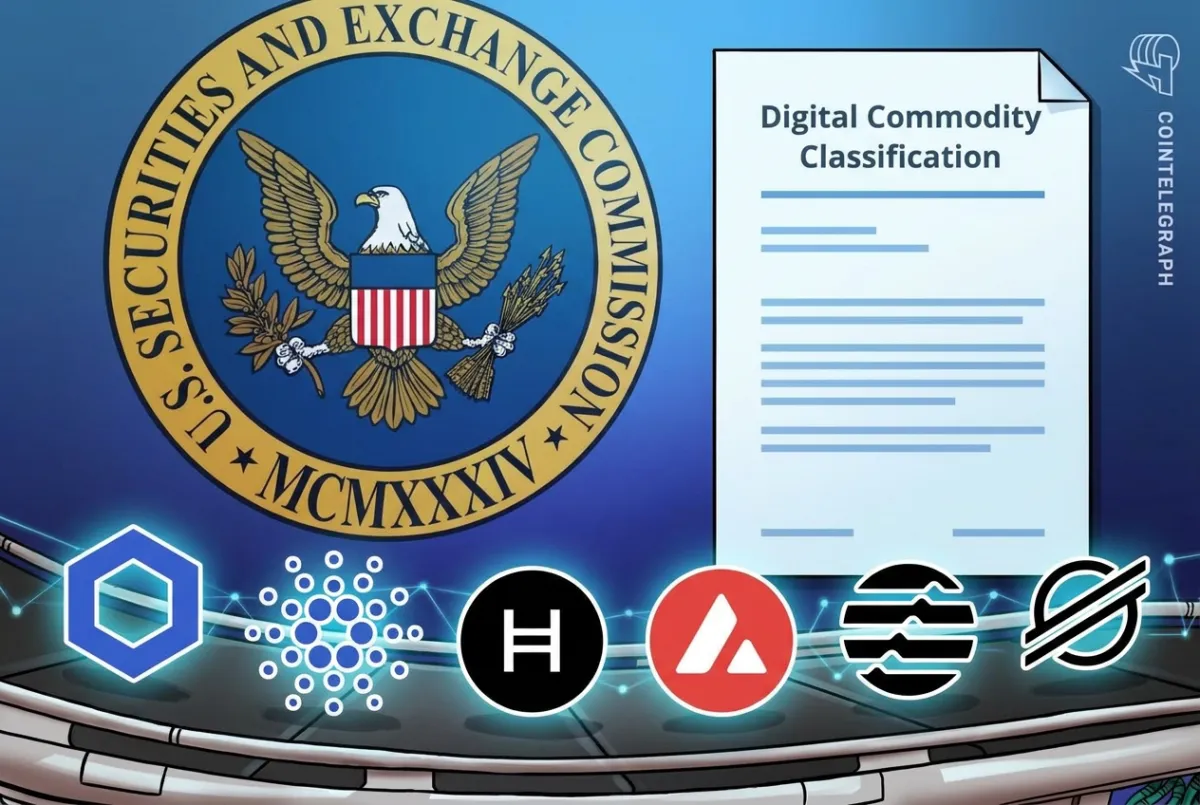
Six major blockchain groups petition SEC to formally classify digital commodities
CertiK warns eMudhra certificate flaw could still impact crypto trading bots
Vault12 raised $17.45 million for VGT in 2018 but never secured centralized exchange listing