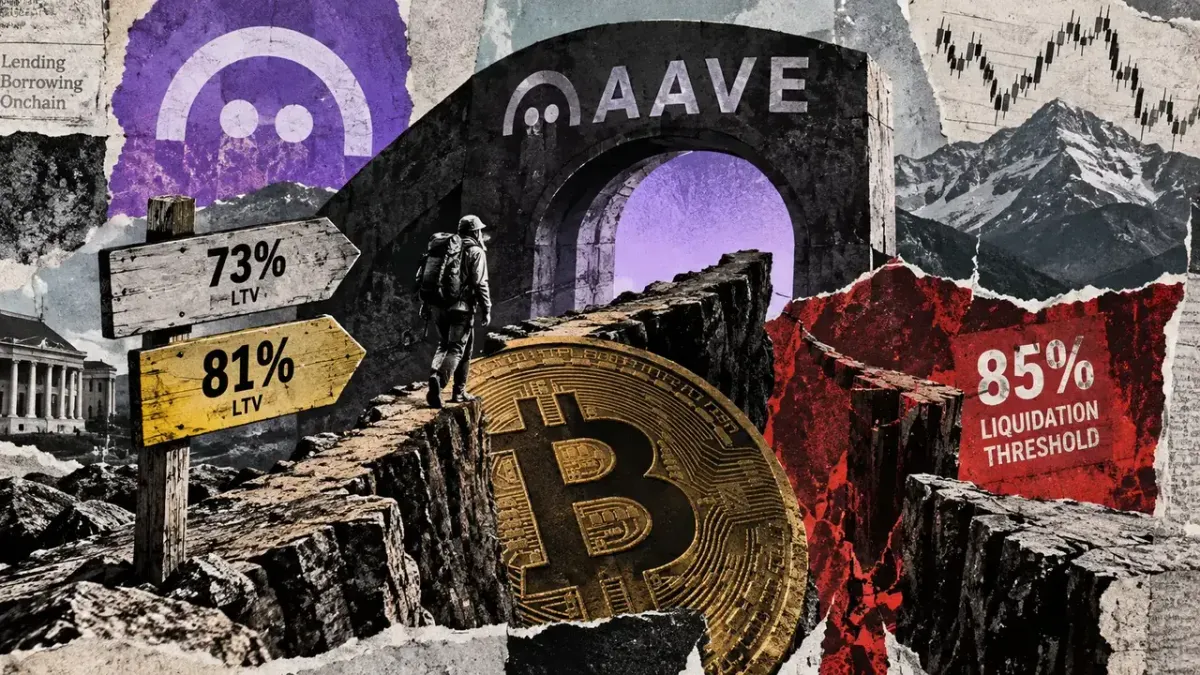
21Shares says bitcoin’s post-halving price action ‘still looks familiar,’ but sees recovery toward $100,000 by year-end

In a recent analysis, 21Shares has indicated that Bitcoin's current price action following the recent halving event bears a striking resemblance to previous cycles. The firm points out that Bitcoin is hovering around 50% below its all-time high of $126,000, which was recorded in October 2025. Despite this significant drop, 21Shares remains optimistic, proposing a base-case recovery toward the $100,000 mark by the end of the year. This prediction aligns with historical patterns observed in Bitcoin's price movements after previous halving events, where the cryptocurrency typically experiences substantial rallies.
To understand this outlook, it's essential to consider the context of Bitcoin's halving mechanism. Historically, halvings occur approximately every four years, effectively reducing the reward miners receive for validating transactions by half. This deflationary aspect is believed to create upward pressure on Bitcoin's price, as the supply of new coins diminishes while demand potentially remains strong. The most recent halving took place in April 2024, and while the aftermath has seen some volatility, the long-term trajectory has often been positive, leading to significant price increases in subsequent months and years.
The implications of 21Shares' forecast are noteworthy for the market. A recovery to $100,000 by year-end would not only represent a considerable rebound for Bitcoin but could also inject renewed confidence into the broader cryptocurrency ecosystem. A significant price increase could attract fresh investments and encourage more institutional players to re-enter the market. Furthermore, such a movement would likely have a ripple effect on altcoins, potentially leading to an overall market uptrend. Investors are closely monitoring these developments, aware that Bitcoin's performance often serves as a bellwether for the entire crypto market.
Industry reactions to 21Shares' predictions have been varied. Some experts echo the sentiment, emphasizing the historical patterns of Bitcoin's post-halving performances, while others urge caution, noting that past performance is not always indicative of future results. Analysts highlight factors such as macroeconomic conditions, regulatory developments, and evolving market dynamics that could impact Bitcoin's trajectory. The consensus seems to lean towards cautious optimism, with many in the industry recognizing the potential for significant gains while remaining aware of the inherent volatility that characterizes the cryptocurrency space.
Looking ahead, the market will be keenly observing Bitcoin's performance in the coming months. The trajectory toward the proposed $100,000 target will depend on various factors, including market sentiment, external economic conditions, and the behavior of institutional investors. As we approach the end of the year, the interplay between these elements will likely shape not only Bitcoin’s price but also the overall health of the cryptocurrency market. Investors and analysts alike will be watching closely, ready to adapt their strategies as the situation evolves.

CoinMagnetic Team
Crypto investors since 2017. We trade with our own money and test every exchange ourselves.
Updated: June 2026
From our insights:
Related news

OpenAI cuts prices 50% on mid-tier models as Anthropic unveils Claude Opus 5.5

Bernstein revises prediction markets to $10 trillion by 2035, up from $1 trillion
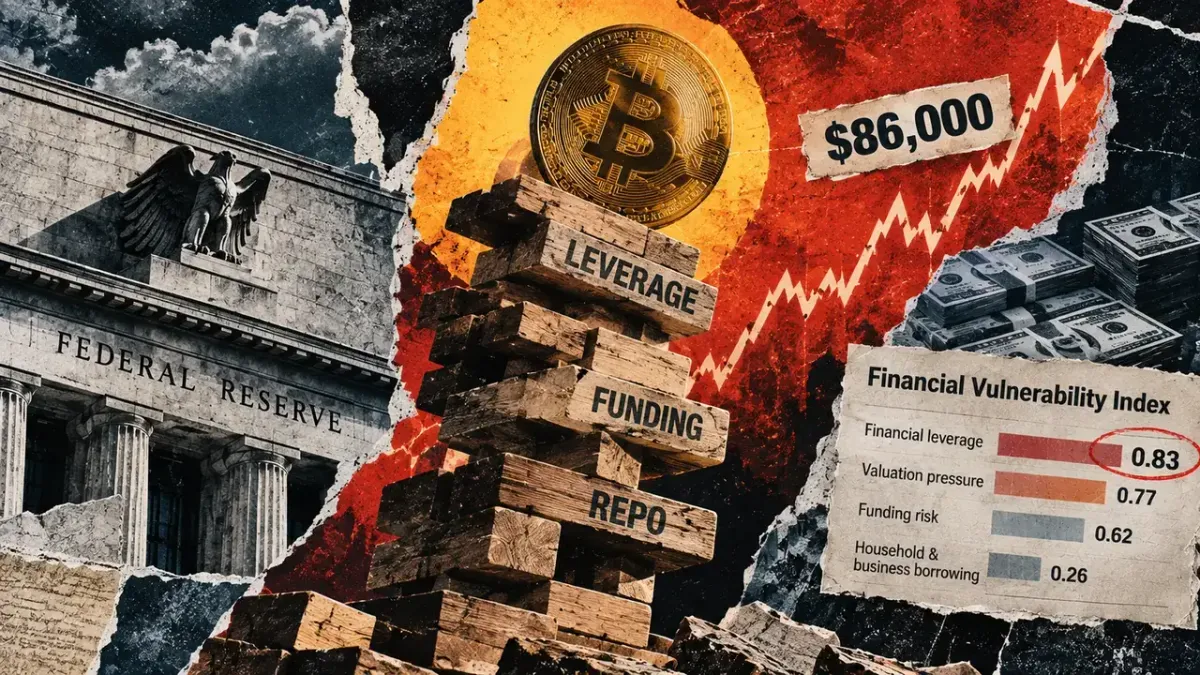
New Fed data reveals potential dangers in Bitcoin's rally

Anthropic’s New Claude Opus 5.5 Matches Fable at 60% the Price

Elon Musk's influence drives Dogecoin to highest price in months