Third-Party Vendor Data Leaks: How the Amplitude Breach Hit Coinbase and Bithumb Users
A breach at analytics vendor Amplitude exposed Coinbase client contact details, though the exchange's internal systems stayed safe. Third-party vendor leaks sharply increase phishing threats and push users toward non-custodial self-storage.

Original analysis, verified sources, real-world experience
Third-Party Vendor Data Leaks: How the Amplitude Breach Hit Coinbase and Bithumb Users
Coinbase caught a data leak at third-party analytics provider Amplitude. User contact details leaked out. Ugly situation. The exchange says its own core systems were never touched – keys and passwords remain safe. But leaking even basic emails triggers real headaches.
What Happened: Details of the Amplitude Incident
Amplitude handles product analytics. Major exchanges plug in tools like this to track how people move around their web apps and mobile interfaces. The contractor got breached – hackers broke into a database containing customer contact info. That part is confirmed.
Coinbase reps officially acknowledged the leak. Account balances are untouched, but spilling emails and phone numbers hands attackers direct entry points.
Compromised contact data is the main fuel for targeted phishing attacks, social engineering, and SIM-swapping schemes.
Why Analytics Services Are an Exchange's Weak Spot
Exchanges build massive walls around their wallets – cracking them head-on is brutal. So attackers shifted toward supply chain attacks instead. Customer support tools, marketing hubs, and analytics providers like Amplitude are protected far worse than core financial nodes. In short, they hit the softest link.
By hitting an analytics vendor, attackers pull a ready-made list of confirmed users tied straight to a specific platform. From there, they start working targets individually:
- Firing off fake emails claiming your account is locked or flagging suspicious logins.
- Blasting SMS phishing with clone links to grab account passwords.
- Gathering personal details to trick mobile carriers into SIM swaps.
- Extorting users – outright flexing that they know you hold an account there.
Risk Breakdown: How to Protect Your Bags
Even if an exchange's core infrastructure holds firm – exposed contact info clears the path for spear phishing. A link in an email leads straight to a spoofed login portal where the user hands over their login, password, and 2FA code themselves. Just like that.
To cut your exposure when external vendors slip up, stick to these rules:
- Set up a dedicated email address strictly for crypto exchanges, and never use it anywhere else.
- Switch to hardware security keys (FIDO2/YubiKey) instead of SMS codes or phone authenticator apps.
- Never click links inside emails warning about hacks or locked accounts – navigate only through saved browser bookmarks.
- Split your capital: leave only active trading balances on centralized exchanges.
Picking a platform with clear security practices is step one to keeping your deposit intact. You can check detailed platform breakdowns, incident histories, and security ratings in our exchange reviews section.
CoinMagnetic Ecosystem Tools to Keep Capital Safe
Counting purely on centralized exchange security is reckless. We build tools that help you manage your own risk at every step.
Checking Address and Transaction Cleanliness
Phishing pages regularly swap in attacker addresses when you try to transfer funds. Touching dirty wallets can easily get your accounts frozen on compliant platforms. Run our AML checker to measure the risk score of any address or transaction hash before broadcasting funds.
Portfolio Tracking
Keeping clean records in one place makes it easy to spot unauthorized balance moves fast. With our portfolio tracker, you can monitor token allocations and balances without keeping all your funds sitting on a single exchange.
Cold Storage
The plain takeaway from vendor breaches: your assets need to stay under your own keys. Centralized exchanges work for trading, not for sitting on savings long term. Pick out a safe non-custodial setup in our wallet selection section.
This article is for educational purposes and is not investment advice. Cryptocurrencies carry high risk. Only trade with funds you can afford to lose.

CoinMagnetic Team
Crypto investors since 2017. We trade with our own money and test every exchange ourselves.
Updated: October 2026
Follow our analysis on Telegram
We publish analysis, digests and forecasts on our Telegram channel.
Follow the channelUseful tools and resources
Related articles
$485M Outflow from Bitcoin ETFs and Dropping Binance Reserves: Whales Taking Profit or Stashing Stablecoins?
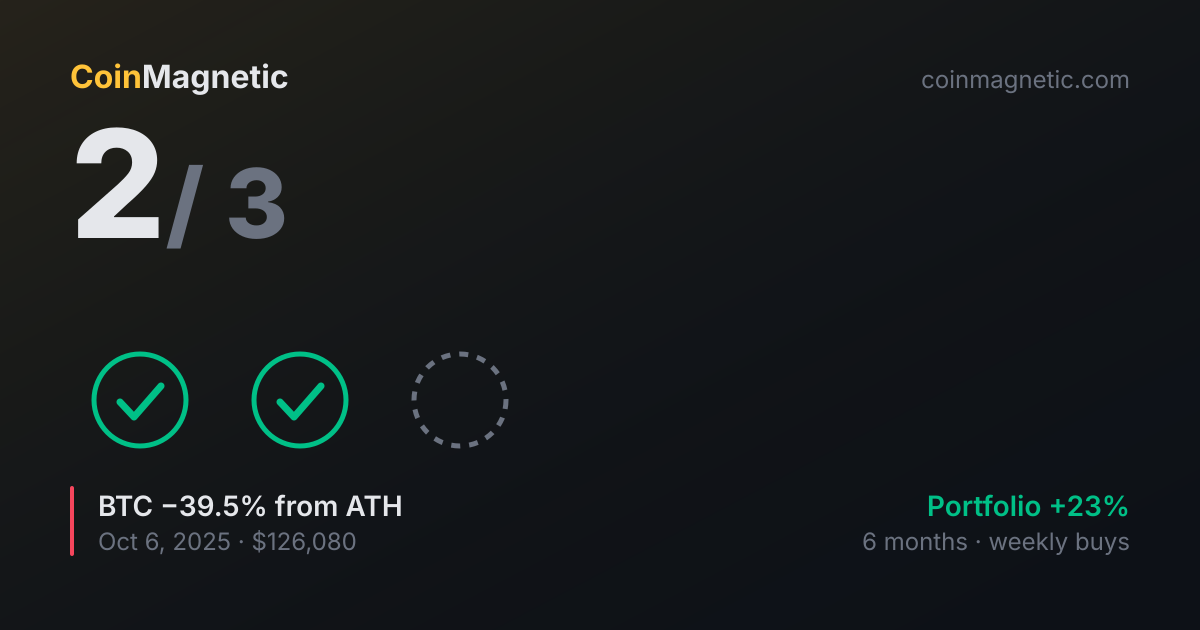
Two of three take-profit signals fired. The missing one matters more
USDT Freezes: Not a Scare Story, but Standard Practice