규제Bearish
Trump DOJ Backs Elon Musk's xAI in Fight Over Colorado AI Bias Law
Source: Decrypt
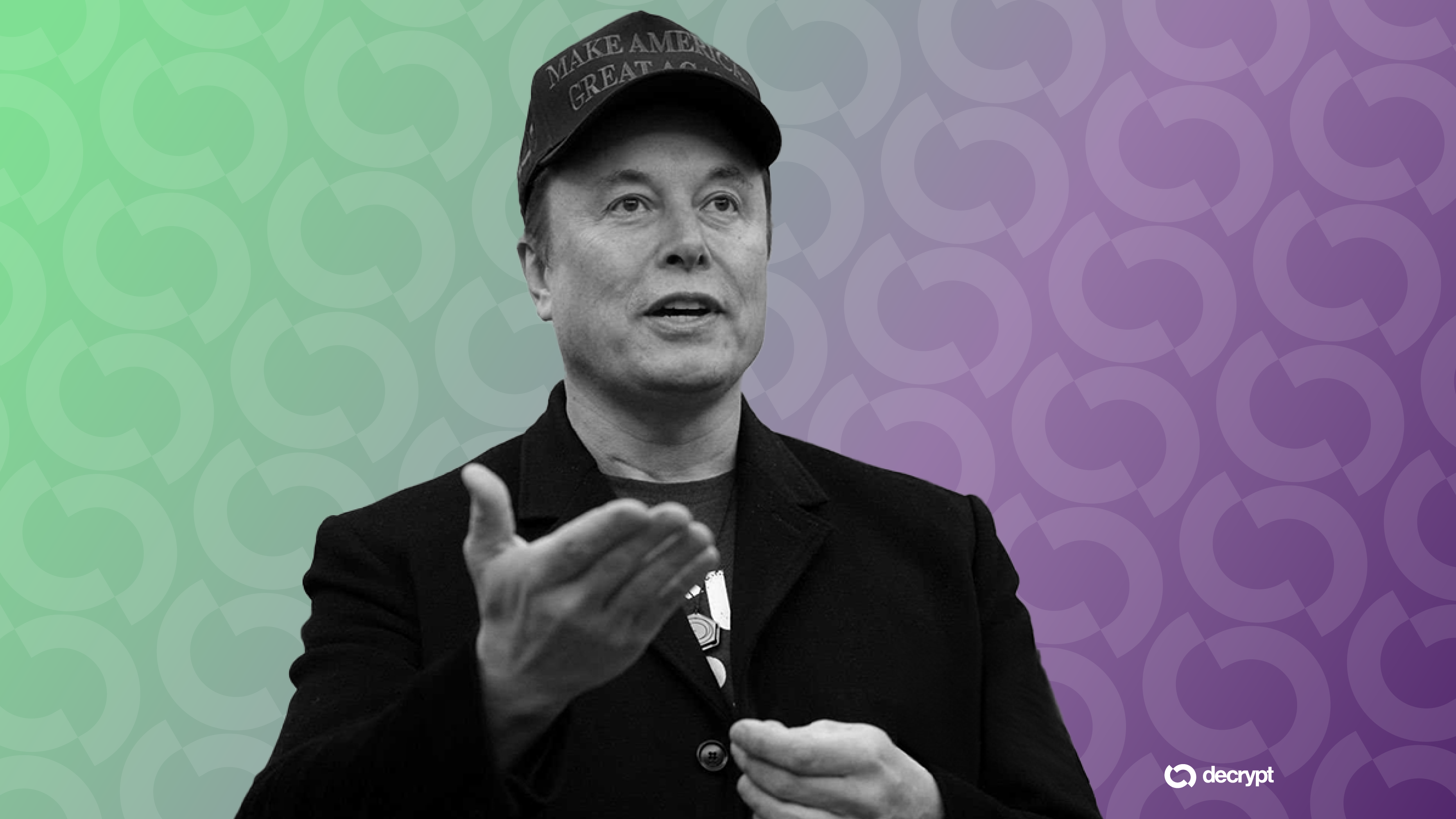
The recent intervention by the U.S. Department of Justice (DOJ) in the ongoing legal battle between Elon Musk's xAI and Colorado's algorithmic discrimination law has sparked significant attention in both the technology and legal communities. The DOJ's decision to support xAI's challenge against the law centers on the argument that the legislation may impose undue restrictions on the development and deployment of artificial intelligence technologies. This move reflects a broader governmental interest in fostering innovation while navigating the complexities of ethical AI usage.
To understand the implications of this legal tussle, it is essential to consider the context surrounding algorithmic discrimination laws. Colorado's legislation was enacted to address concerns that AI systems could perpetuate biases in decision-making processes, particularly in areas such as hiring, lending, and criminal justice. While intended to promote fairness and accountability, critics argue that such laws could stifle innovation and hinder the growth of AI technologies. The DOJ's support for xAI signifies a tension between regulatory measures aimed at protecting consumers and the need to encourage technological advancement.
The impact of the DOJ’s support for xAI extends beyond the immediate lawsuit, as it raises questions about the regulatory environment for AI in the U.S. A favorable ruling for xAI could set a precedent that influences how states approach the regulation of AI technologies. Conversely, a decision against xAI may embolden other states to adopt similar laws, potentially creating a patchwork of regulations that complicate the operational landscape for AI developers. The outcome of this case could have far-reaching effects on the market, either bolstering confidence in AI innovation or creating hurdles that developers must navigate.
Industry experts have weighed in on the implications of the DOJ's intervention, emphasizing the delicate balance between regulation and innovation. Some argue that while oversight is necessary to prevent bias and discrimination, overly restrictive laws could deter investment in AI development. Others believe that the legal clarity provided by such cases is essential for establishing ethical standards in the rapidly evolving field of AI. The divergent views highlight the complexity of the issue and the need for a nuanced approach that considers both ethical implications and the potential for technological advancement.
Looking ahead, the dynamics of this case will likely continue to unfold as both sides prepare for upcoming legal proceedings. The outcome will not only impact xAI and Colorado’s legislation but could also catalyze broader discussions about the role of government in regulating emerging technologies. As we observe these developments, it remains crucial for stakeholders across the industry to engage in conversations about the future of AI regulation, ensuring that both innovation and ethical considerations are addressed in a balanced manner.
CM
CoinMagnetic 팀
2017년부터 암호화폐 투자. 직접 돈을 넣고 모든 거래소를 테스트합니다.
업데이트: 2026년 4월
인사이트에서 읽기: