규제Neutral
Tether's $344 million USDT freeze linked to U.S. 'Economic Fury' against Iran regime
Source: CoinDesk
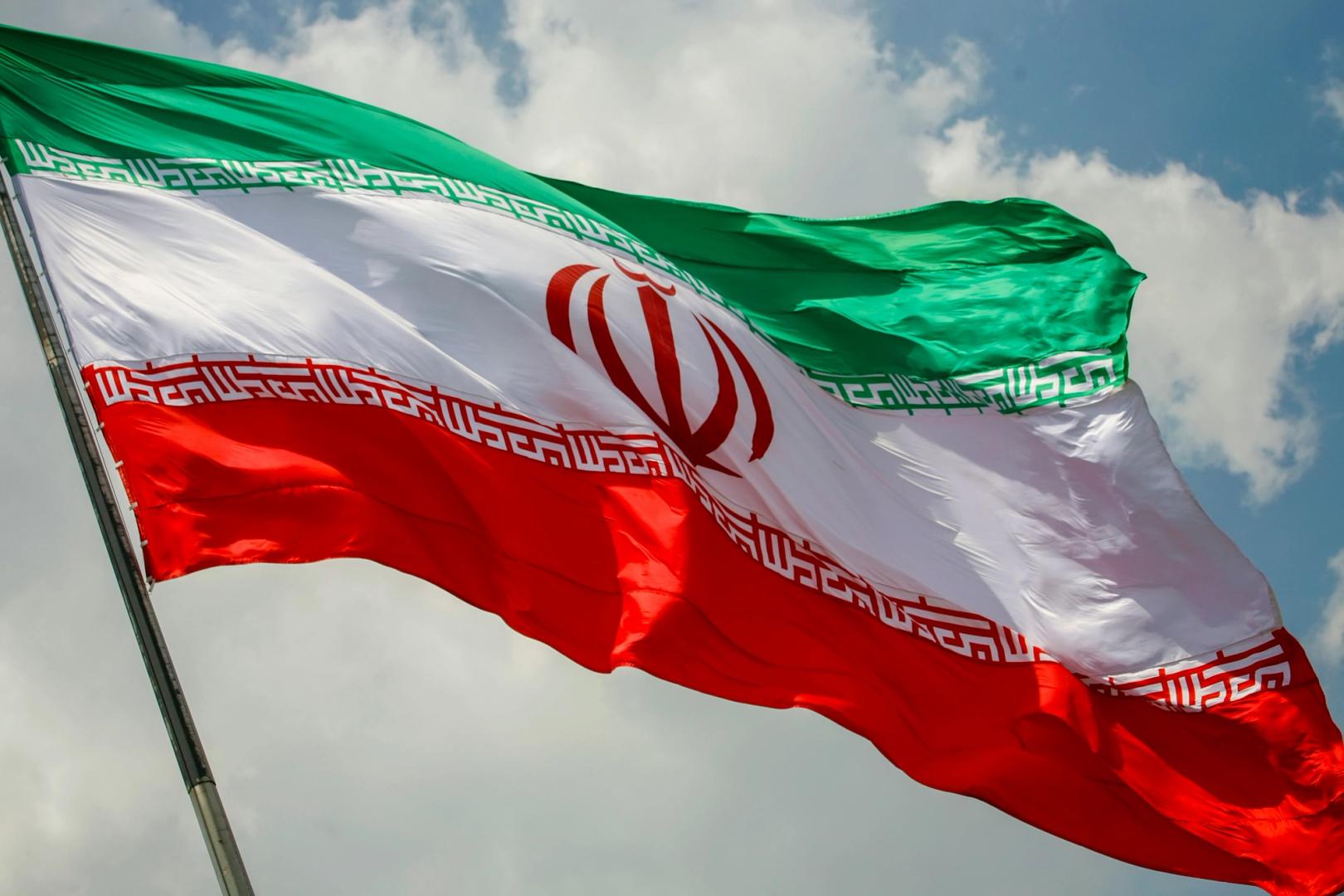
In a recent development, Tether has reportedly frozen $344 million worth of USDT tokens as part of a broader strategy linked to the U.S. government's efforts to exert economic pressure on the Iranian regime. Treasury Secretary Scott Bessent emphasized that the U.S. aims to cut off “all financial lifelines” for Iran, reflecting the ongoing tensions between the two nations. This move by Tether is seen as a significant step in aligning cryptocurrency transactions with U.S. sanctions and regulatory frameworks, highlighting the increasing intersection of traditional finance and the crypto industry.
To understand the implications of this freeze, it is essential to consider the historical context of U.S.-Iran relations. Over the years, the U.S. has imposed various sanctions against Iran in response to its nuclear program and other geopolitical actions. The focus has shifted in recent years to include digital currencies, as they have become increasingly popular for circumventing conventional financial systems. Tether, as a major stablecoin provider, plays a critical role in the crypto ecosystem, and its actions are closely monitored for compliance with international regulations.
This freeze is particularly significant for the cryptocurrency market, as it underscores the growing scrutiny and regulatory oversight that digital assets are facing. Tether's decision to comply with U.S. sanctions may set a precedent for other cryptocurrency companies, increasing the pressure for compliance in an industry that has often prided itself on its decentralization and resistance to traditional regulatory measures. Market participants may interpret this action as a signal that major players in the crypto space must align themselves more closely with government regulations to avoid potential repercussions.
Industry reactions to this news have been mixed. Some experts view Tether's actions as a necessary step to maintain legitimacy and avoid regulatory backlash, while others express concern that such moves could undermine the foundational principles of decentralization and financial freedom that cryptocurrencies represent. The freezing of USDT also raises questions about how other stablecoins will respond to similar pressures and whether they will follow suit or resist such compliance measures.
Looking ahead, it remains to be seen how this situation will evolve and what further steps the U.S. government may take regarding cryptocurrency regulation in relation to sanctions. As the global landscape continues to shift, Tether's actions may prompt other crypto entities to reassess their compliance strategies and how they navigate the intricate relationship between digital assets and government regulations. The coming months will likely reveal more about the implications of this freeze and the overall direction of regulatory frameworks surrounding cryptocurrencies.
CM
CoinMagnetic 팀
2017년부터 암호화폐 투자. 직접 돈을 넣고 모든 거래소를 테스트합니다.
업데이트: 2026년 4월
인사이트에서 읽기: