규제Bearish
New York Governor Hochul targets prediction markets amid growing concerns of insider betting
Source: The Block

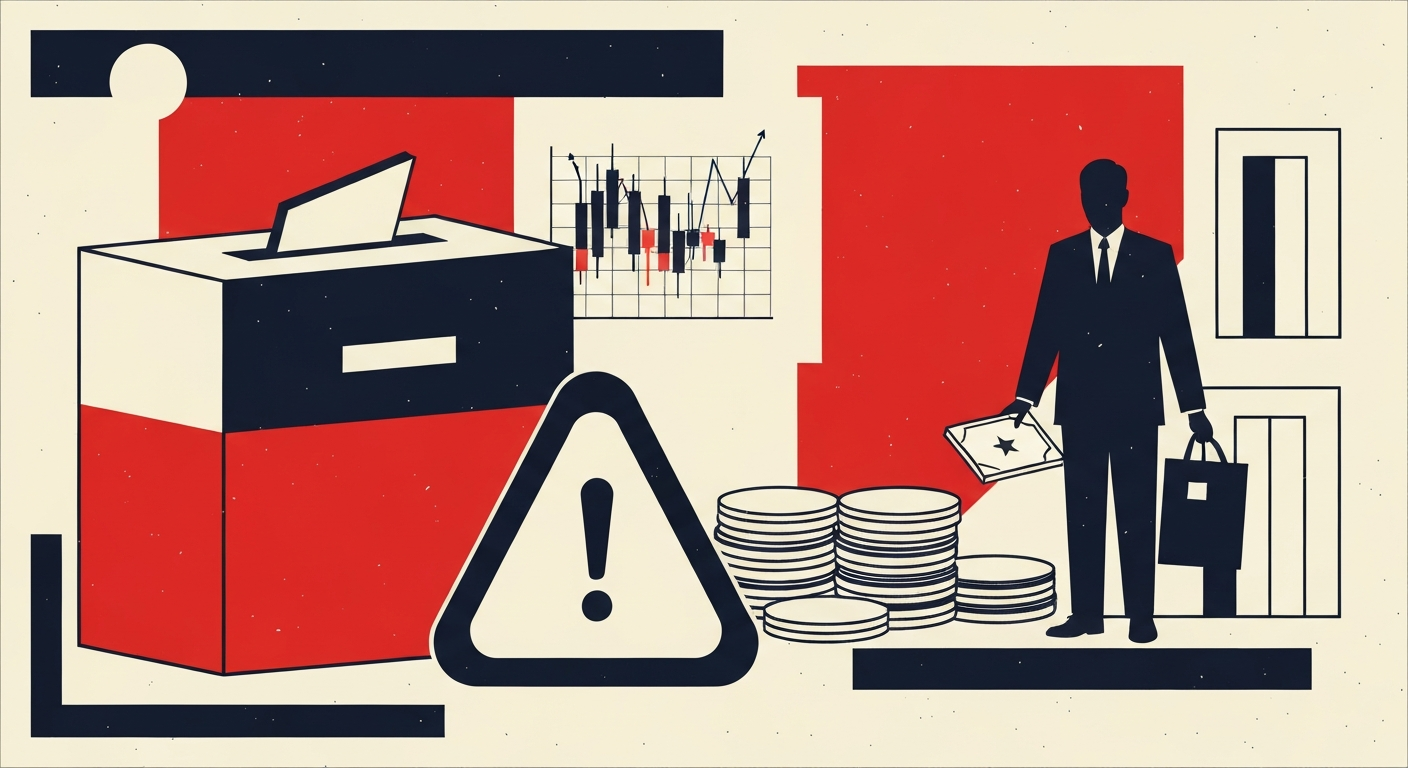
New York Governor Kathy Hochul has taken a significant step in regulating the burgeoning landscape of prediction markets by signing an executive order that explicitly prohibits state employees from utilizing insider information for betting activities. This move comes amid rising concerns regarding the ethical implications and potential for corruption inherent in prediction markets, where participants wager on the outcomes of various events, including political elections and economic trends. The executive order aims to bolster the integrity of both state operations and the prediction market itself, which has drawn scrutiny for its susceptibility to insider betting.
The backdrop to this executive action involves a broader conversation about the intersection of technology, finance, and regulatory oversight. Prediction markets have emerged as a popular platform for individuals to speculate on future events, leveraging collective intelligence to gauge outcomes. However, the potential for abuse is significant, especially when state employees, who may possess privileged information, are involved. Past controversies surrounding insider trading in traditional financial markets have set a precedent, prompting regulators to be more vigilant in overseeing activities that could compromise fairness and transparency.
This executive order carries weight in the market, as it underscores a growing trend among regulators to impose stricter controls on emerging financial instruments. By explicitly addressing the issue of insider betting, Governor Hochul is sending a clear message about the need for accountability within prediction markets. As these platforms continue to gain traction, the implications of such regulations could extend beyond New York, potentially influencing how other states approach similar issues, thereby shaping the future landscape of prediction markets nationwide.
Industry experts have responded to this executive order with a mix of support and caution. Many see the ban as a necessary measure to maintain the integrity of prediction markets, which rely heavily on public trust and transparency. However, some argue that overly stringent regulations could stifle innovation and limit the potential of prediction markets as a tool for gathering insights. The conversation is ongoing, with stakeholders from various sectors weighing in on how best to balance regulation with the need for growth and innovation in this space.
Looking ahead, it will be crucial to monitor the impact of this executive order on prediction markets and the broader regulatory environment. As other states observe New York's approach, we may see a wave of similar legislation aimed at curbing insider betting practices. The evolution of prediction markets will likely depend on how effectively regulators can implement and enforce these rules while fostering an ecosystem that encourages responsible participation and innovation. The future of prediction markets remains uncertain, but the conversation around their regulation is just beginning to heat up.
CM
CoinMagnetic 팀
2017년부터 암호화폐 투자. 직접 돈을 넣고 모든 거래소를 테스트합니다.
업데이트: 2026년 4월
인사이트에서 읽기: