DeFiNeutral
2026's biggest crypto exploit: $292 million gets drained from Kelp DAO with wrapped ether stranded across 20 chains
Source: CoinDesk

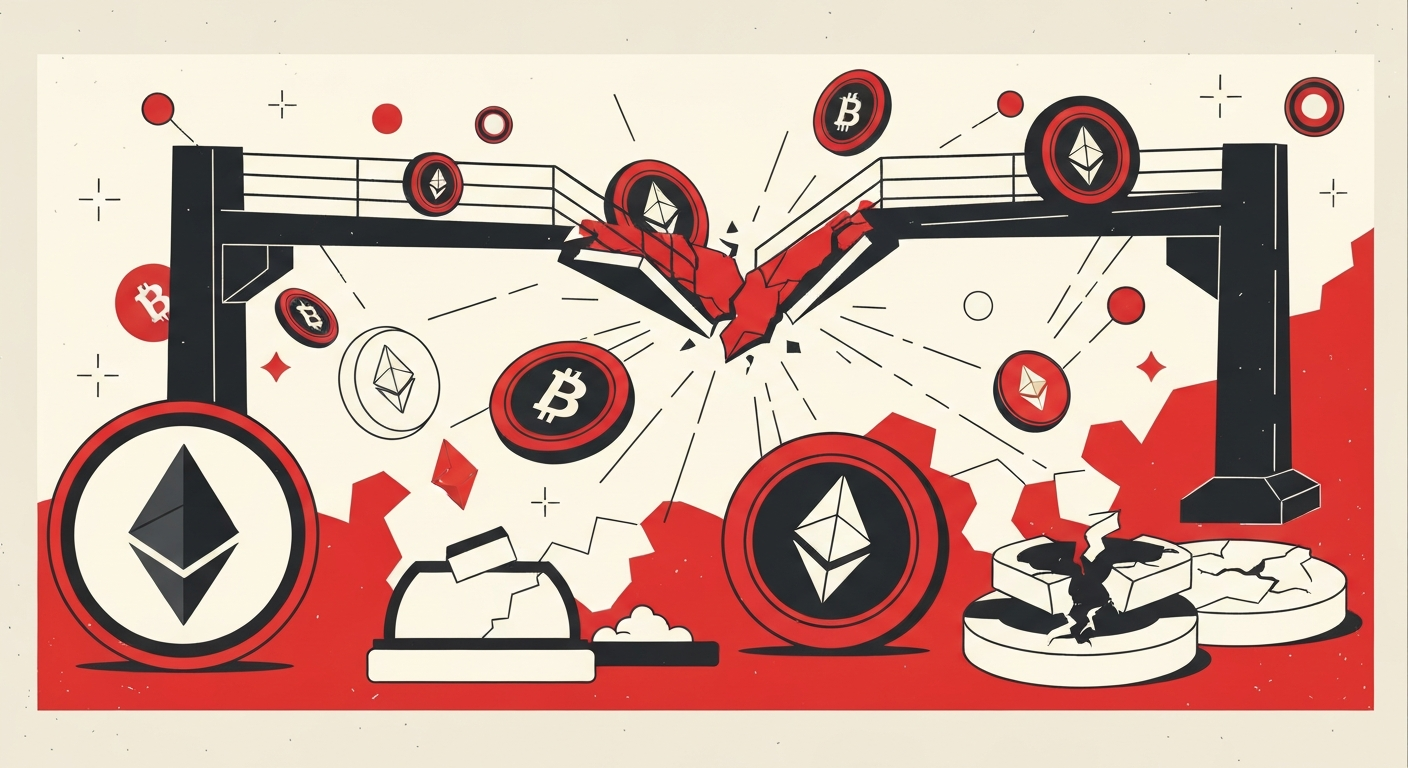
Over the weekend, Kelp DAO fell victim to a significant security breach that resulted in the theft of approximately $292 million in wrapped ether (rsETH). The attack, which saw 116,500 rsETH siphoned from Kelp's LayerZero-powered bridge, accounted for nearly 18% of the total circulating supply. In response to the breach, Kelp's team swiftly implemented emergency measures, including freezing funds across multiple platforms such as Aave, SparkLend, Fluid, and Upshift to mitigate further losses. This incident marks one of the largest exploits in the crypto space in recent memory and has raised alarms about the security protocols of decentralized finance (DeFi) platforms.
Kelp DAO, which relies on innovative bridging technology to facilitate cross-chain transactions, has quickly garnered attention in the crypto community. However, this exploit has underscored the vulnerabilities inherent in such complex systems. LayerZero, the protocol powering Kelp's bridge, aims to enhance interoperability between different blockchain networks, but the incident raises questions about how robust these solutions are in protecting against malicious actors. Historically, DeFi platforms have faced scrutiny regarding security, and this breach may serve as a pivotal moment in the ongoing discussion about the need for increased safeguards.
The implications of this exploit extend beyond Kelp DAO itself, as the incident has sent shockwaves through the broader crypto market. Investors are likely to approach with increased caution, particularly regarding projects that utilize similar bridging technologies or operate within the DeFi landscape. The loss of a substantial portion of Kelp's token supply may also affect market dynamics, potentially leading to price volatility for rsETH and similar assets. The incident could prompt a reassessment of risk management strategies among investors and developers alike.
Industry experts have voiced their concerns about the ramifications of this hack. Many believe that it highlights the urgent need for improved security measures in DeFi protocols. Some have called for enhanced auditing practices and greater transparency in how projects handle smart contracts and user funds. The incident has also sparked discussions about the potential for decentralized insurance solutions to protect users from such exploits in the future, emphasizing the necessity of building trust within the community.
Looking ahead, Kelp DAO's response to this exploit will be crucial in determining its future viability. The team will likely need to engage in rigorous security assessments and implement stronger measures to reassure users and investors. As the DeFi landscape continues to evolve, the lessons learned from this incident may catalyze changes that could lead to more secure and resilient systems. The crypto community will be closely monitoring Kelp's actions and the broader industry response to ensure that the fallout from this exploit does not hinder the growth of decentralized finance.
CM
CoinMagnetic 팀
2017년부터 암호화폐 투자. 직접 돈을 넣고 모든 거래소를 테스트합니다.
업데이트: 2026년 4월
인사이트에서 읽기: