What Is Q-Day? The Quantum Threat to Bitcoin Explained

As discussions around the implications of quantum computing grow, a new term has emerged in the crypto community–Q-Day. Experts are sounding the alarm about the potential threat that quantum computers pose to Bitcoin and other cryptocurrencies. The concern is that once quantum computers reach a certain level of sophistication, they could be capable of breaking the cryptographic algorithms that secure Bitcoin's blockchain. This breakthrough could enable attackers to forge digital signatures, potentially allowing unauthorized transactions and undermining the very foundation of trust that cryptocurrencies rely on.
To understand the significance of Q-Day, it’s important to grasp the current state of quantum computing technology. While still in its infancy, quantum computing has made leaps in recent years, and researchers are actively working on developing machines that can perform complex calculations exponentially faster than traditional computers. The cryptographic principles underpinning Bitcoin, such as the Elliptic Curve Digital Signature Algorithm (ECDSA), are believed to be vulnerable to quantum attacks. If a quantum computer could efficiently solve the mathematical problems that secure Bitcoin transactions, it could disrupt the network and compromise user funds.
The potential arrival of Q-Day has important ramifications for the cryptocurrency market. If quantum computers advance to the point where they can effectively breach Bitcoin's security, it could lead to widespread panic among investors and users. The value of Bitcoin and other cryptocurrencies could plummet as trust erodes, prompting a rush to exit positions. This scenario outlines a critical need for the industry to prioritize research into quantum-resistant cryptographic solutions to safeguard digital assets against future threats.
Industry experts have begun to weigh in on the potential impact of Q-Day. Many emphasize that while we may still be several years away from quantum computers becoming a reality capable of launching such attacks, preparation is key. Some crypto projects are already exploring alternative cryptographic algorithms that would withstand quantum threats. For instance, initiatives like the Quantum Resistant Ledger are actively working on solutions to future-proof blockchain technology against quantum attacks. The consensus among experts is clear: proactive measures must be taken to ensure the long-term viability of cryptocurrencies.
Looking ahead, the conversation surrounding Q-Day is likely to intensify as advancements in quantum computing continue. The crypto community must remain vigilant and collaborative, fostering discussions on how to implement quantum-resistant technologies. As we navigate this evolving landscape, the actions taken today will ultimately determine how resilient cryptocurrencies will be in the face of potential quantum disruptions. The clock is ticking, and the need for innovation in cryptographic security has never been more pressing.

CoinMagnetic Team
Crypto investors since 2017. We trade with our own money and test every exchange ourselves.
Updated: April 2026
From our insights:
Related news

SoFi begins stablecoin settlement on Mastercard network for program expected to exceed $25 billion in annualized volume

A $3.2 million 'bitcoin butterfly' option trade bets on $95,000 by the end of October

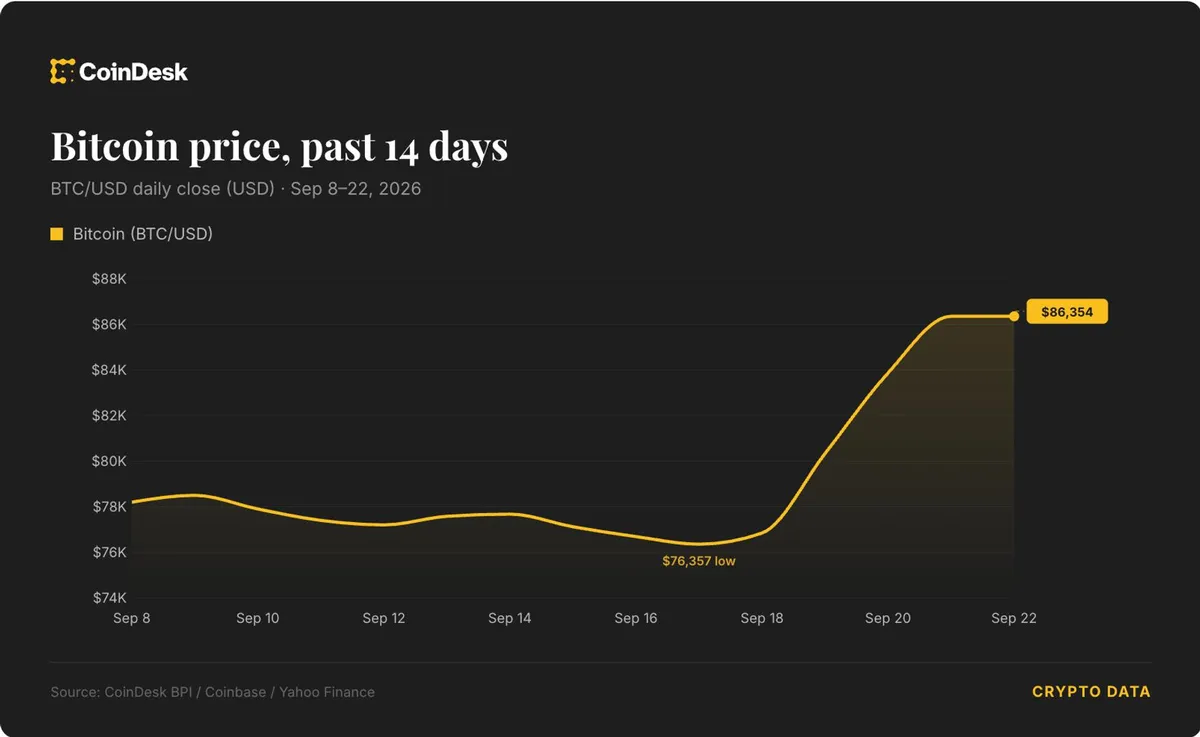
Bitcoin surges past $86,000 as $1 billion in shorts are liquidated, eyes on $90,000
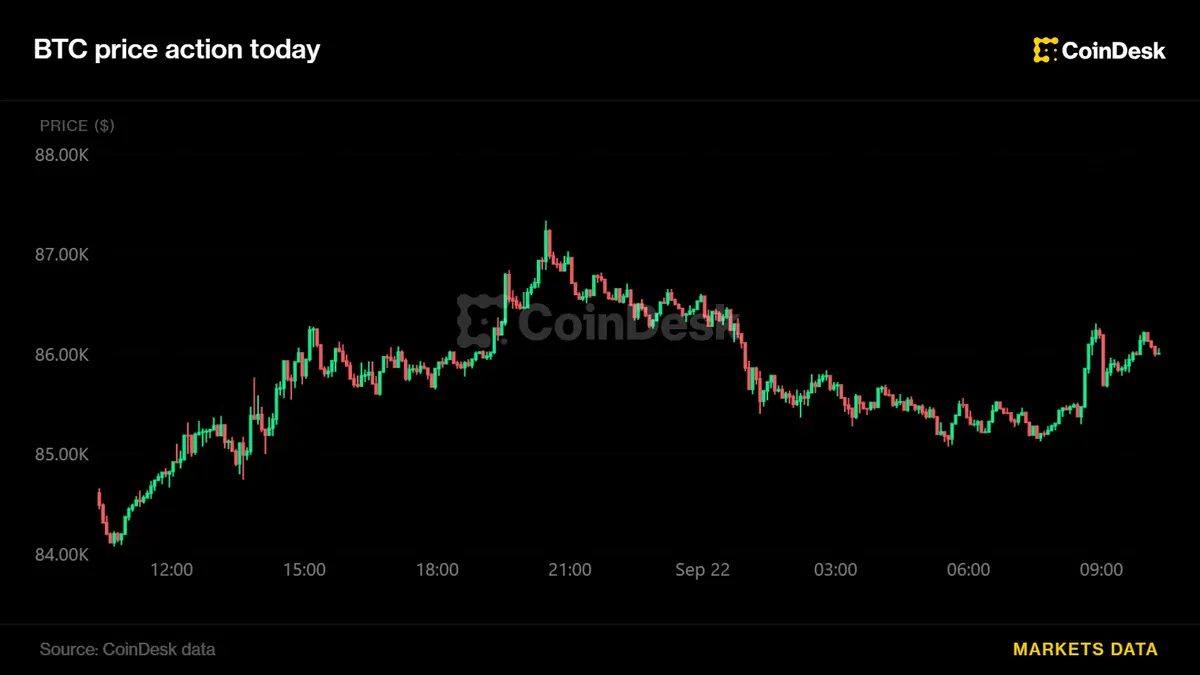
Bitcoin bounces back to $86,000 as oil prices decline and stocks rise

Prediction markets projected to reach $10 trillion by 2035, surpassing sports