RegulationBearish
The world’s central banks finally see crypto as a real monetary threat to TradFi
Source: CryptoSlate
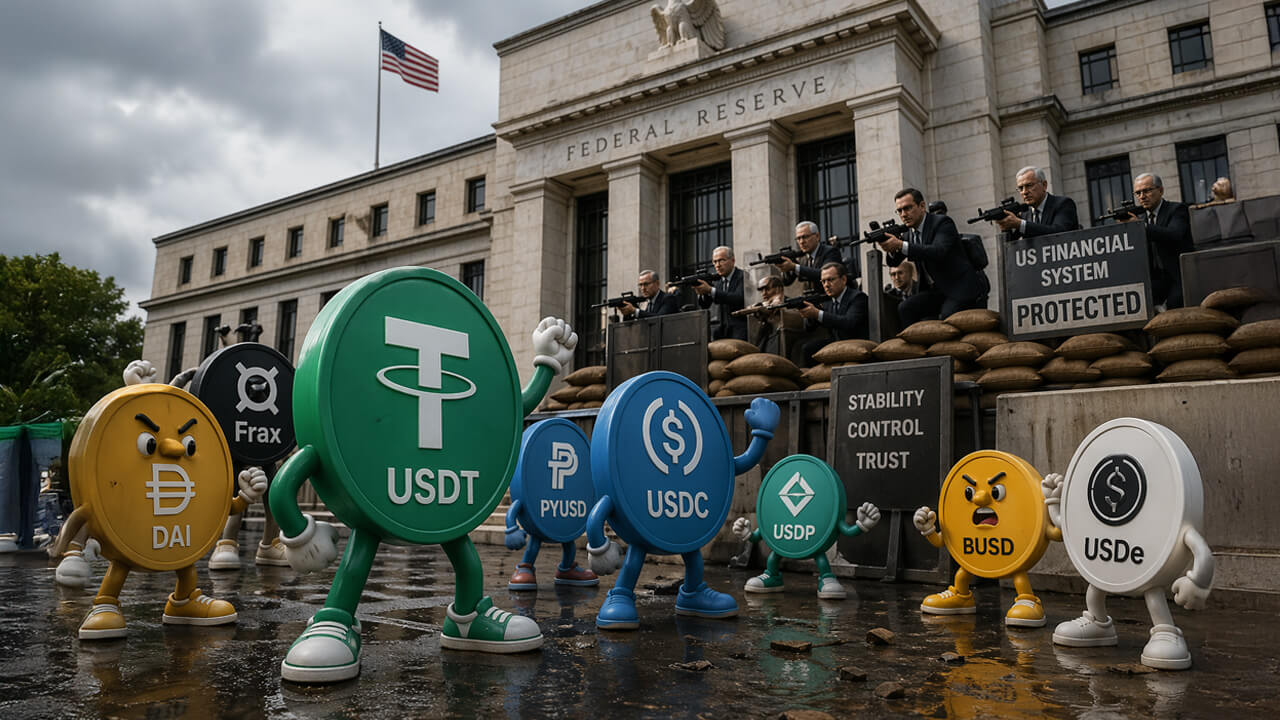
Central banks around the world are increasingly recognizing the potential threat posed by cryptocurrencies, particularly stablecoins, to traditional financial systems (TradFi). This shift in perspective was underscored by comments made by Pablo Hernandez de Cos, General Manager of the Bank for International Settlements (BIS), during a recent conference. He emphasized the necessity for global cooperation in regulating stablecoins, stating that this cooperation is “critically important.” The BIS has been at the forefront of discussions regarding the implications of digital currencies, and its leadership reflects a significant change in the dialogue surrounding crypto assets.
Historically, central banks have approached cryptocurrencies with skepticism, often focusing on the potential risks they pose, such as volatility and lack of regulation. However, the conversation has evolved, moving from whether stablecoins are a risk to who will have control over them and the mechanisms of that control. This evolution highlights a growing acknowledgment among financial authorities that stablecoins could disrupt existing monetary systems and challenge the status quo of central banking. As these discussions gain traction, the stakes have never been higher for both traditional financial institutions and emerging crypto entities.
The implications of this acknowledgment are profound for the market. As central banks shift their focus towards establishing frameworks for stablecoins, it could pave the way for more regulatory clarity, which might bring legitimacy to the crypto space. This could lead to increased adoption of stablecoins by businesses and individuals, further integrating them into the financial ecosystem. Conversely, excessive regulation could stifle innovation and limit the utility of cryptocurrencies, creating a complex landscape for investors and stakeholders to navigate.
Industry reactions to this shift have been mixed. Some experts view the call for cooperation as a positive sign that central banks are willing to engage with the crypto community, which could foster innovation and development. Others, however, express concerns that stringent regulations could hinder the very benefits that cryptocurrencies are designed to provide, such as financial inclusion and decentralization. The balance between regulation and innovation is delicate, and the crypto industry is closely monitoring central banks' movements as they work to define their roles in this evolving landscape.
Looking ahead, the next steps for central banks will be crucial in shaping the future of stablecoins and cryptocurrencies at large. As they begin to draft and implement regulations, it will be essential to strike a balance that protects consumers and maintains financial stability while still allowing for innovation within the crypto space. How central banks navigate this complex terrain will undoubtedly influence the trajectory of both TradFi and the broader financial ecosystem in the coming years.
CM
CoinMagnetic Team
Crypto investors since 2017. We trade with our own money and test every exchange ourselves.
Updated: April 2026
From our insights: