Spot Bitcoin ETF outflows top $490M: Is BTC’s rally losing momentum?

Recent reports indicate that spot Bitcoin ETF outflows have surged beyond $490 million, raising concerns among investors regarding the potential cooling of Bitcoin's rally. This significant outflow coincides with a broader market sentiment influenced by escalating oil prices, disappointing earnings from major tech companies, and underwhelming growth metrics in the artificial intelligence sector. As investors reassess their positions in light of these economic indicators, the volatility surrounding Bitcoin's price movements has become increasingly pronounced.
In the context of the cryptocurrency market, Bitcoin ETFs have become a pivotal vehicle for institutional and retail investors alike. Initially seen as a way to provide a safer and more regulated entry point into the crypto space, these products have significantly increased Bitcoin's accessibility. However, the recent outflows suggest a shift in investor sentiment, which could be attributed to a confluence of macroeconomic factors affecting market dynamics. High oil prices can lead to inflationary pressures, which often lead investors to reconsider their risk exposure in volatile asset classes such as cryptocurrencies.
The implications of these outflows are significant for the cryptocurrency market as a whole. A sustained trend of outflows could signal a bearish sentiment, potentially impacting Bitcoin's price and overall market capitalization. With Bitcoin often viewed as a leading indicator for the broader crypto market, the effects of these outflows may ripple through other digital assets, leading to increased caution among traders and investors. If the momentum behind Bitcoin's rally falters, we could see a reassessment of bullish positions and a shift towards more conservative investment strategies.
Industry experts have begun weighing in on the situation, with many cautioning that while the current outflows are notable, they may not necessarily indicate a long-term trend. Some analysts argue that market corrections are a natural part of any asset's lifecycle, including Bitcoin. Moreover, as institutional adoption continues to grow, there may be a rebound in inflows as investors look for opportunities in what they perceive to be a temporary dip. The sentiment among traders seems mixed, with some remaining optimistic about Bitcoin's long-term prospects despite the recent turbulence.
Looking ahead, the cryptocurrency market will likely continue to navigate these complex dynamics. Investors will be closely monitoring economic indicators, particularly related to oil prices and tech sector performance, to gauge their potential impact on market sentiment. Furthermore, any developments regarding regulatory frameworks for cryptocurrencies and ETF products could play a crucial role in shaping future trends. As the market evolves, it will be essential for investors to stay informed and adaptable to the shifting landscape.

CoinMagnetic Team
Crypto investors since 2017. We trade with our own money and test every exchange ourselves.
Updated: May 2026
From our insights:
Related news

Bitcoin surges past $86,000 as $1 billion in shorts are liquidated, eyes on $90,000
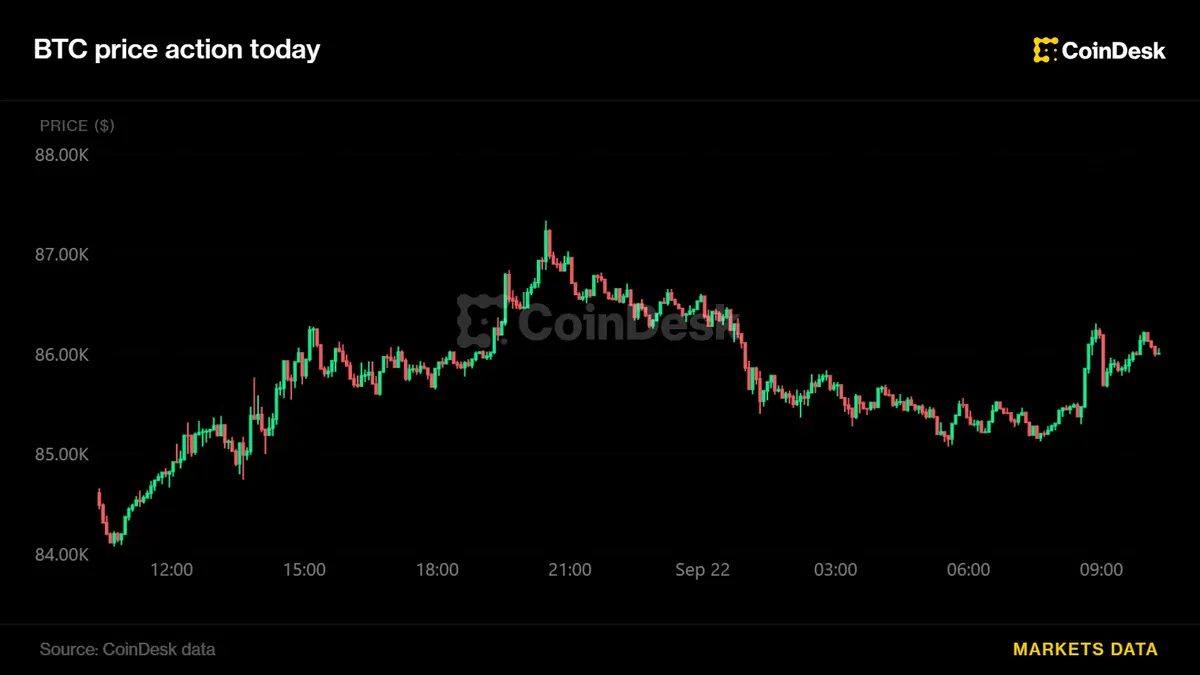
Bitcoin bounces back to $86,000 as oil prices decline and stocks rise

Prediction markets projected to reach $10 trillion by 2035, surpassing sports
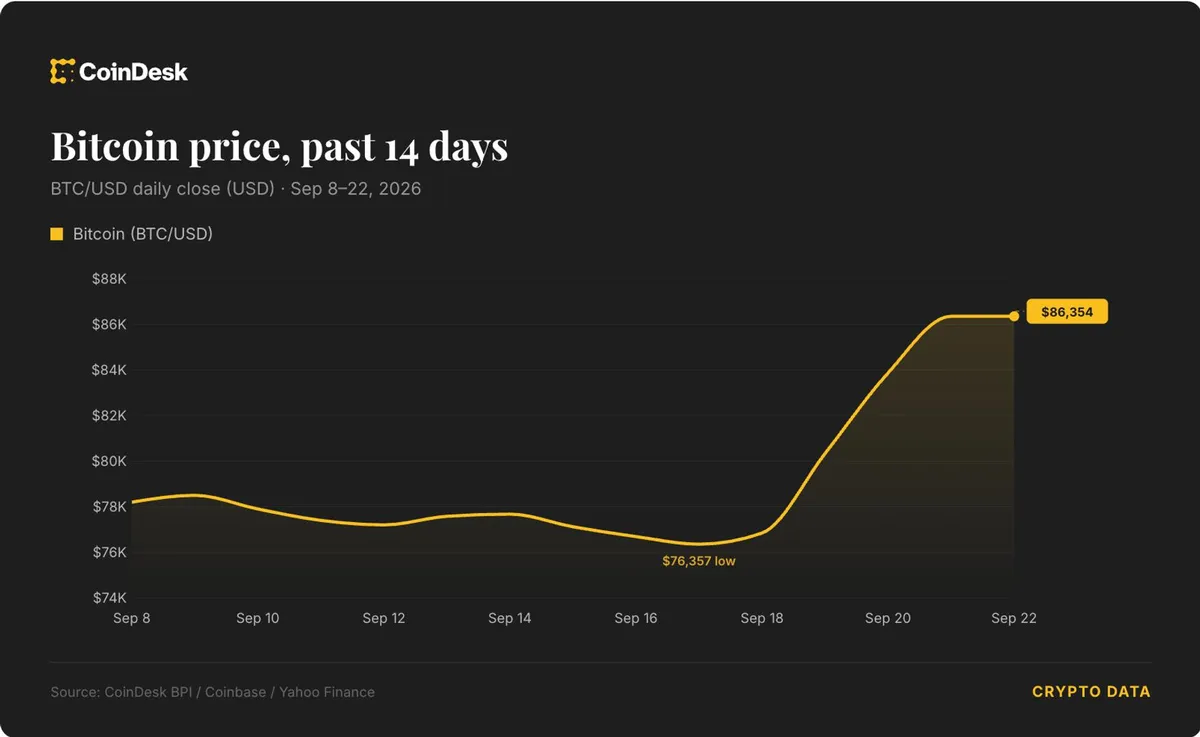
Iran hints at reopening Strait of Hormuz, WTI oil drops to $89

New altseason signal emerges as Bitcoin market cap stays under 60%