Stablecoins overtake Bitcoin in Latin America crypto purchases – Bitso

According to a recent report from Bitso, a leading cryptocurrency exchange in Latin America, stablecoins have begun to overtake Bitcoin in terms of purchase frequency across the region. The findings indicate a significant shift in user behavior, particularly in countries grappling with high inflation and economic instability. Dollar-linked stablecoins are emerging as a preferred choice for everyday transactions, offering a more stable alternative to traditional cryptocurrencies like Bitcoin, which is often seen as a speculative investment rather than a practical currency for daily use.
The context for this trend lies in the economic challenges faced by many Latin American countries. With inflation rates soaring and local currencies losing value, residents are increasingly seeking ways to protect their assets and maintain purchasing power. Stablecoins, which are pegged to the US dollar, provide a semblance of stability and a means to transact without the volatility typically associated with cryptocurrencies. This trend reflects a broader global movement toward the adoption of cryptocurrencies as viable alternatives to fiat currencies, especially in regions experiencing economic turmoil.
The implications of this shift for the market are profound. As stablecoins gain traction, they may encourage more individuals and businesses to engage with cryptocurrencies, resulting in increased overall adoption. This could lead to a diversification of the crypto market, where stablecoins become integral to everyday financial activities, rather than just speculative trading. This trend could also attract institutional interest, as the stability offered by these digital assets might appeal to more traditional investors looking to hedge against inflation.
Industry experts have noted that this shift could signify a maturation of the cryptocurrency ecosystem in Latin America. Many analysts believe that if stablecoins continue to gain acceptance, they could lead to greater financial inclusion, allowing unbanked populations to access financial services more easily. Furthermore, some industry leaders argue that this increased usage of stablecoins could prompt regulatory bodies in the region to create clearer frameworks for digital currencies, fostering a safer environment for both users and businesses.
Looking ahead, it will be interesting to see how this trend evolves. As more Latin Americans turn to stablecoins for their daily transactions, exchanges like Bitso may adapt their offerings to cater to this demand. Additionally, we may witness an increase in partnerships between traditional financial institutions and crypto platforms, aimed at bridging the gap between conventional banking and the burgeoning world of digital currencies. The ongoing developments in this space will be crucial to watch, as they could reshape the financial landscape in Latin America for years to come.

CoinMagnetic Team
Crypto investors since 2017. We trade with our own money and test every exchange ourselves.
Updated: April 2026
From our insights:
Related news
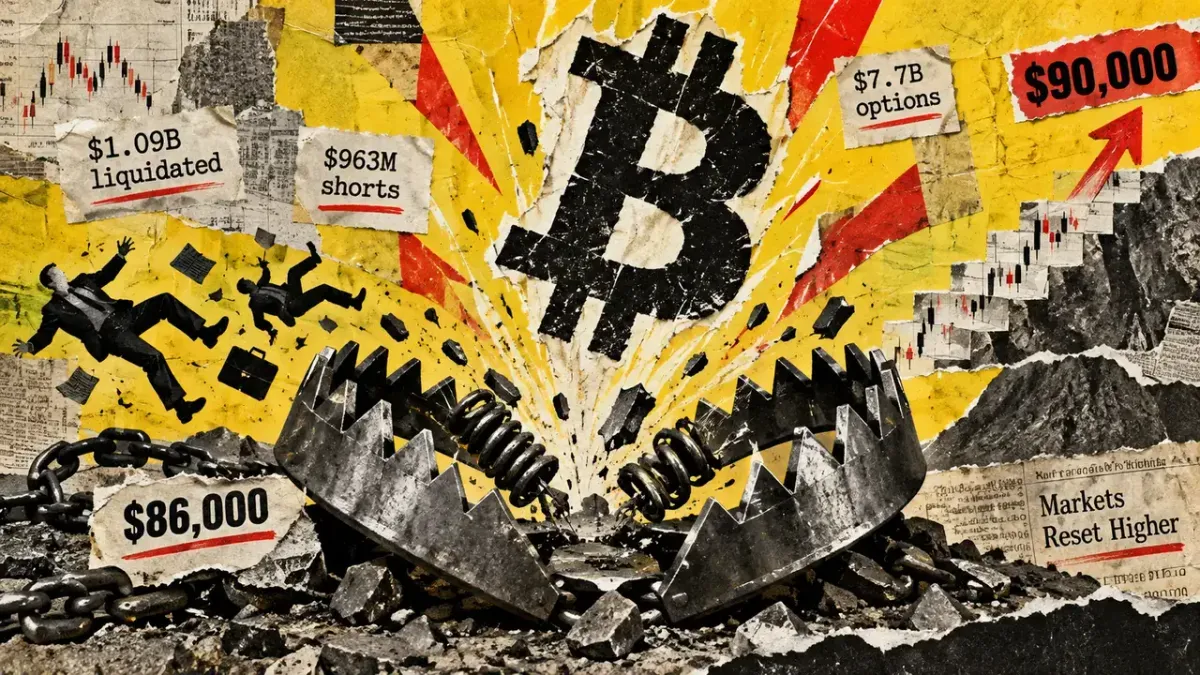
Bitcoin surges past $86,000 as $1 billion in shorts are liquidated, eyes on $90,000
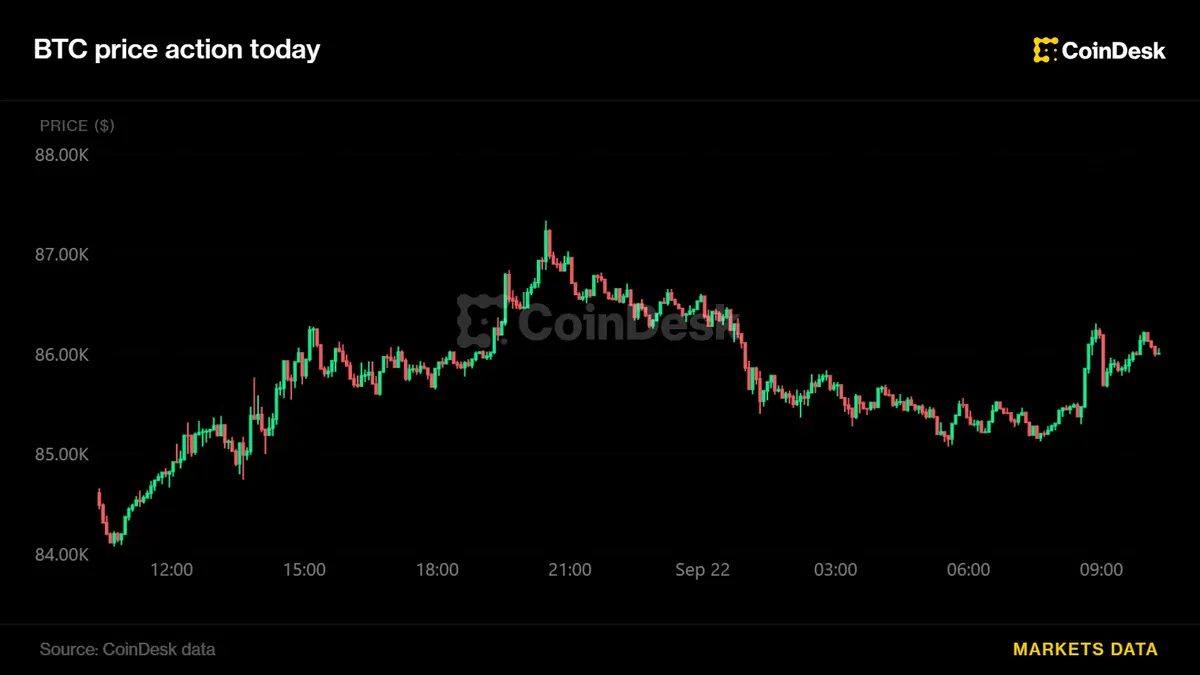
Bitcoin bounces back to $86,000 as oil prices decline and stocks rise

Prediction markets projected to reach $10 trillion by 2035, surpassing sports
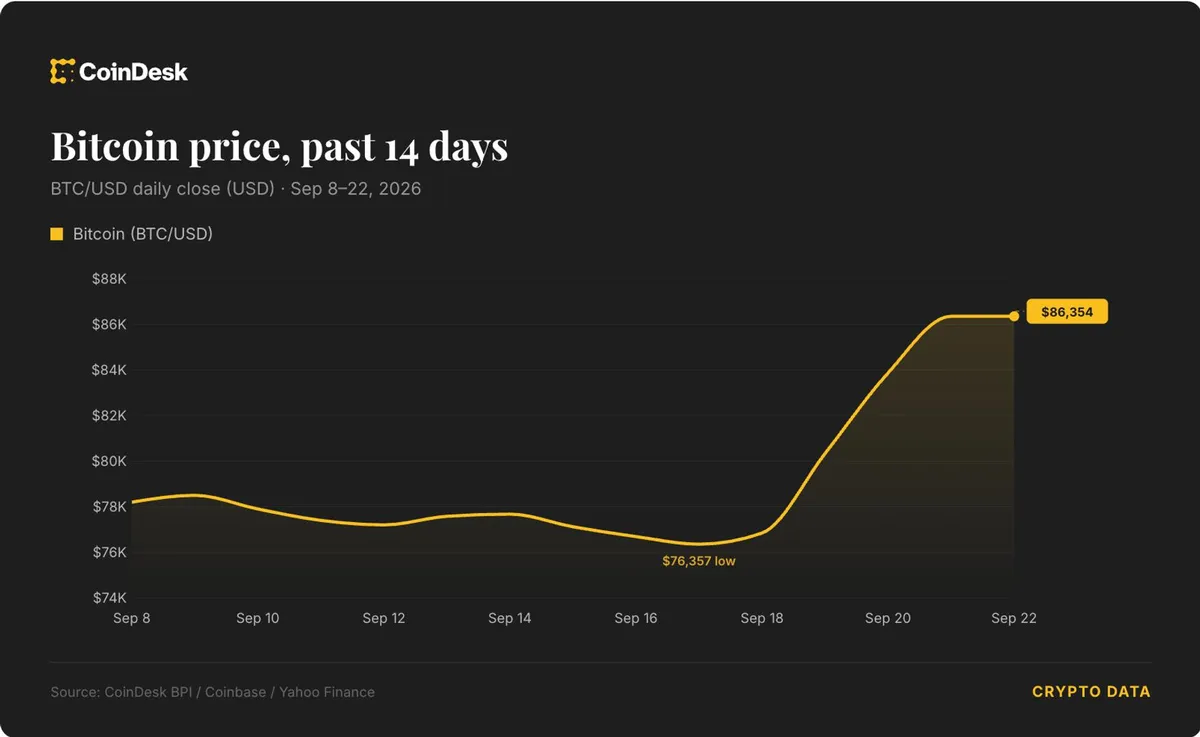
Iran hints at reopening Strait of Hormuz, WTI oil drops to $89
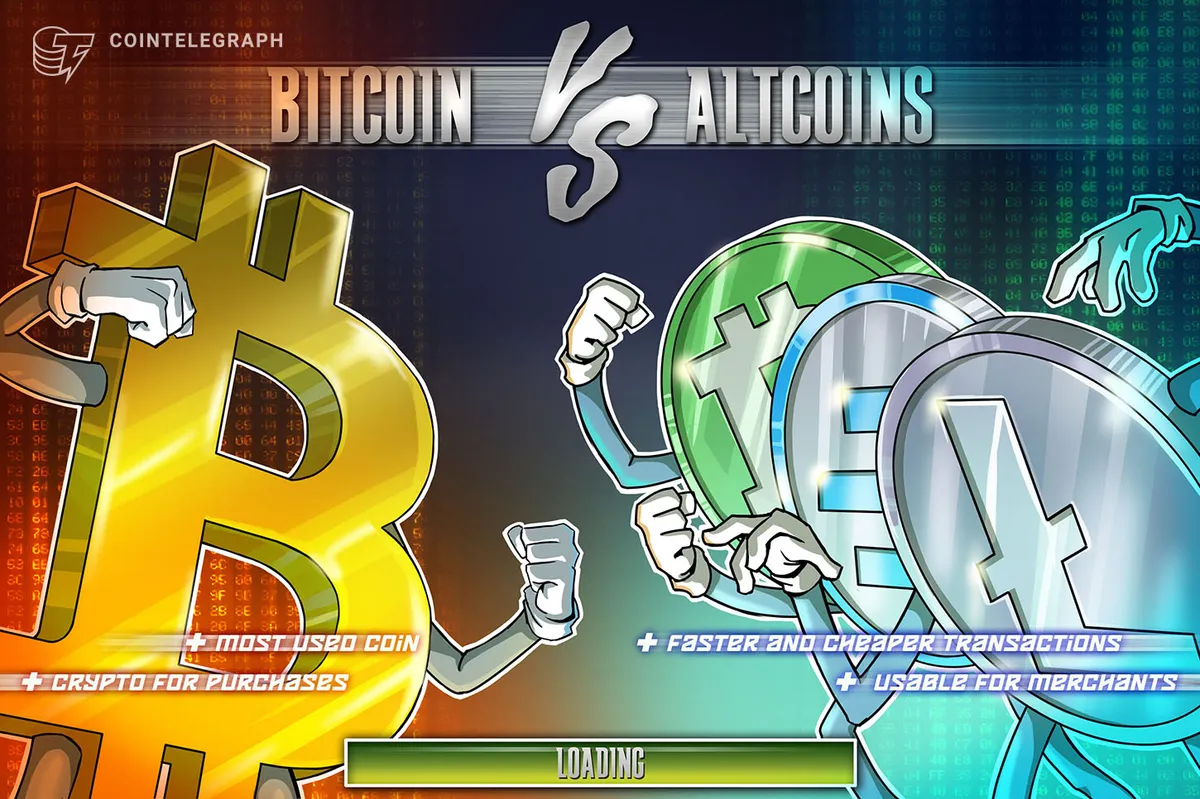
New altseason signal emerges as Bitcoin market cap stays under 60%