South Korea to test blockchain deposit tokens for government spending in Q4

South Korea is set to embark on a groundbreaking initiative in Q4 2023, testing blockchain deposit tokens designed for government spending. This innovative approach aims to streamline the disbursement of public funds by introducing programmable tokens that can be tailored with specific spending limits and restrictions on which industries or sectors can utilize them. The move is seen as a significant step toward enhancing transparency and efficiency in government transactions, potentially reducing administrative burdens and transaction costs by eliminating the need for intermediaries.
The backdrop to this initiative is a growing global interest in blockchain technology and its applications in public finance. South Korea has been at the forefront of adopting digital currencies and blockchain solutions, recognizing their potential to revolutionize various sectors, including finance, supply chain management, and public administration. As governments worldwide explore the integration of digital currencies into their fiscal policies, South Korea's proactive testing of blockchain-based deposit tokens reflects a commitment to innovation and modernization in governance.
The implications of this initiative for the market are substantial. By utilizing blockchain technology in government spending, South Korea could set a precedent for other nations to follow. The ability to program spending limits and allocate funds with greater precision not only enhances accountability but also fosters trust in public financial management. Furthermore, this could lead to increased adoption of blockchain solutions across various sectors, as businesses and governments recognize the benefits of reduced transaction fees and improved financial oversight.
Industry experts have expressed a mix of optimism and caution regarding this development. Some see it as a crucial step toward mainstream acceptance of blockchain technology in government operations, potentially paving the way for more innovative financial products and services. Others, however, urge caution, highlighting the need for robust regulatory frameworks to prevent misuse and ensure that these new systems are secure and transparent. This sentiment reflects a broader concern about balancing innovation with the necessary safeguards in a rapidly evolving technological landscape.
Looking ahead, the success of this pilot program will likely influence the future of government spending not just in South Korea, but globally. If the initiative proves effective in demonstrating the benefits of blockchain deposit tokens, we may see a wave of similar experiments in other countries. This could catalyze a significant shift in how governments manage and allocate public funds, ultimately leading to a more efficient and transparent financial ecosystem. As the world watches South Korea's next steps, the outcomes of this test could shape the future of public finance for years to come.

CoinMagnetic Team
Crypto investors since 2017. We trade with our own money and test every exchange ourselves.
Updated: April 2026
From our insights:
Related news

Bitcoin surges past $86,000 as $1 billion in shorts are liquidated, eyes on $90,000
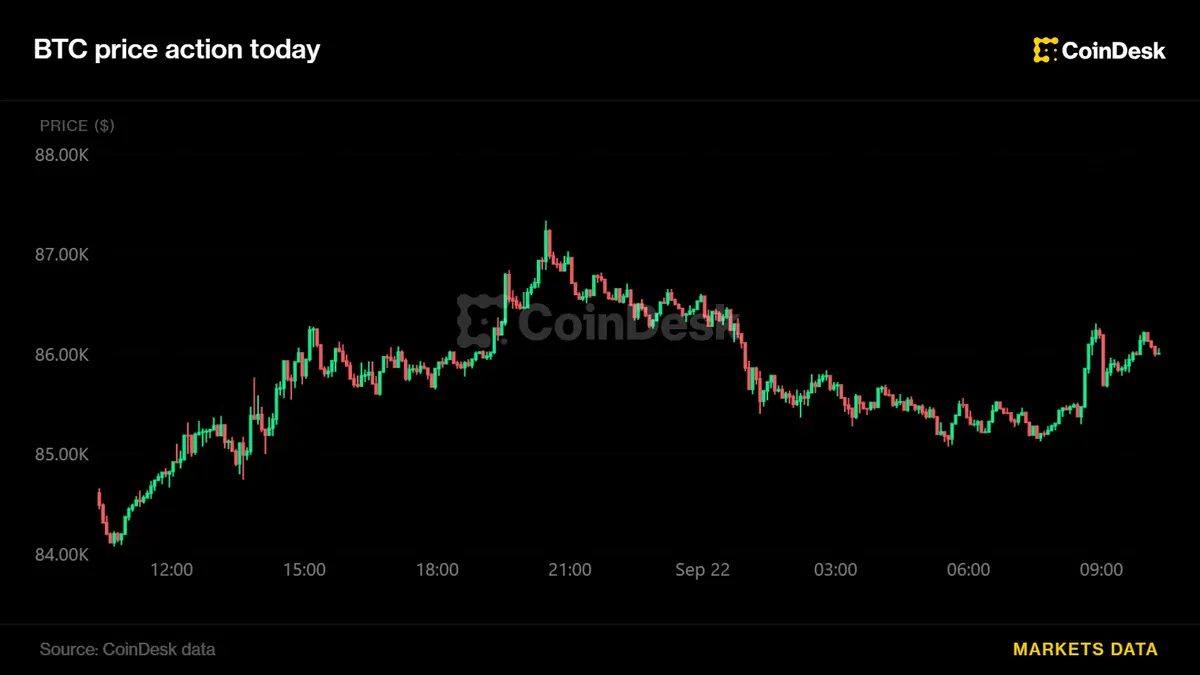
Bitcoin bounces back to $86,000 as oil prices decline and stocks rise

Prediction markets projected to reach $10 trillion by 2035, surpassing sports
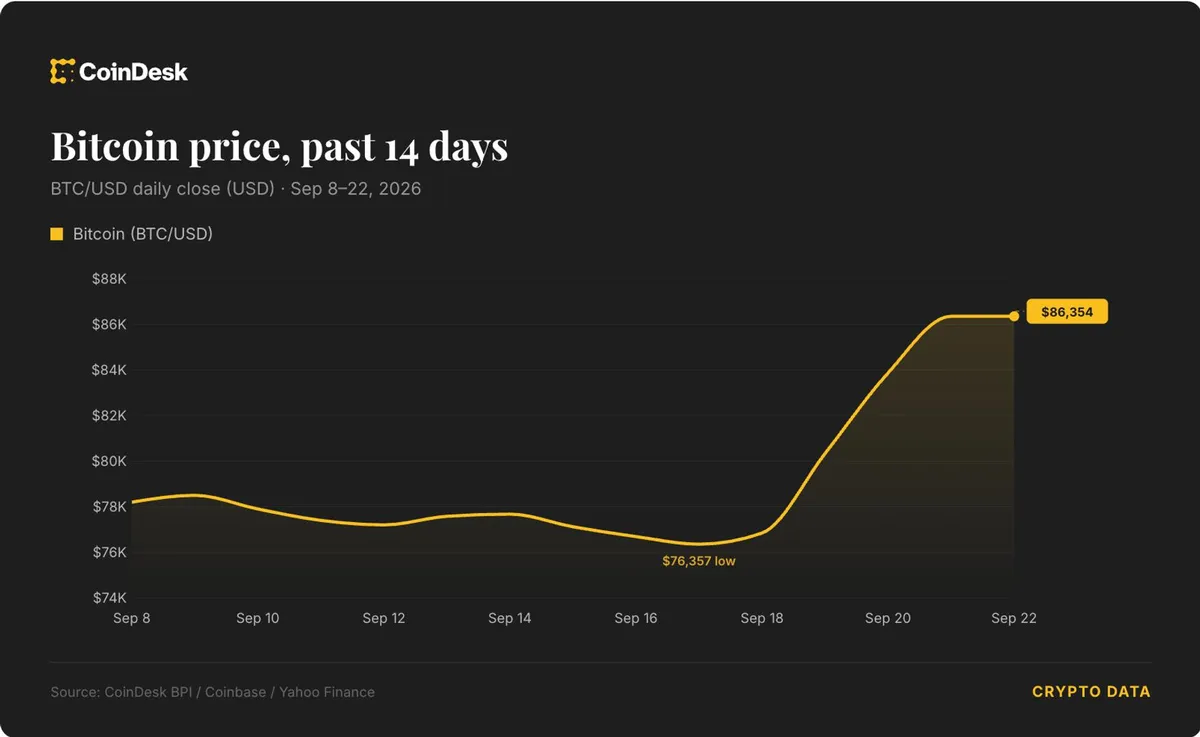
Iran hints at reopening Strait of Hormuz, WTI oil drops to $89

New altseason signal emerges as Bitcoin market cap stays under 60%