Adam Back says Bitcoin’s post-quantum shift may reveal true Satoshi stash

During his recent appearance at Paris Blockchain Week, Adam Back, a notable figure in the cryptocurrency space, discussed the implications of a post-quantum shift for Bitcoin. He suggested that advancements in quantum computing could potentially reveal the actual size of the Bitcoin stash held by the elusive creator, Satoshi Nakamoto. Current estimates place this stash between 500,000 and 1 million BTC, a figure that has long been a topic of speculation within the crypto community. Back’s comments have reignited interest and debate about the mystery surrounding Nakamoto's identity and the future of Bitcoin in a world where quantum computing becomes a reality.
To understand the significance of Back's statements, it is essential to consider the history of Bitcoin and the ongoing discussions about its security in the face of evolving technology. Bitcoin, launched in 2009, operates on cryptographic principles that safeguard its transactions and wallets. As quantum computing continues to progress, concerns have emerged about the potential threat it poses to traditional cryptographic systems. If quantum computers reach a level of sophistication capable of breaking these cryptographic defenses, the implications for Bitcoin and other cryptocurrencies could be profound, including the risk of exposing Nakamoto's hidden stash.
The prospect of quantum computing revealing the true extent of Satoshi's holdings is particularly important for the market because it touches on the very foundation of Bitcoin's scarcity and value proposition. The potential for these coins to be unlocked could create significant fluctuations in the market, as it would increase the effective supply of Bitcoin. This scenario raises questions about how the market would react–would the existence of such a large stash being made available lead to a decrease in price, or would it be absorbed by demand?
Industry experts have expressed mixed reactions to Back's insights. While some view it as a compelling possibility that could reshape the landscape of Bitcoin, others remain skeptical, focusing on the technical challenges that quantum computing must overcome before it could pose a real threat to Bitcoin's cryptography. Additionally, there are discussions about the measures the Bitcoin network could take to upgrade its cryptographic protocols in response to potential quantum threats, highlighting the ongoing evolution and resilience of the cryptocurrency ecosystem.
Looking ahead, the conversation around Bitcoin's security in a post-quantum world will likely gain momentum as quantum computing technology continues to advance. It will be crucial for the Bitcoin community and its developers to stay proactive in addressing these challenges to ensure the network's integrity. As we move forward, monitoring developments in both quantum computing and Bitcoin's response will be essential for stakeholders and investors alike, as they navigate this complex and rapidly changing landscape.

CoinMagnetic Team
Crypto investors since 2017. We trade with our own money and test every exchange ourselves.
Updated: April 2026
From our insights:
Related news

Bitcoin's weekly close above $81,000 signals potential rise to $90,000

Elon Musk's X integrates bitcoin trading options for U.S. users
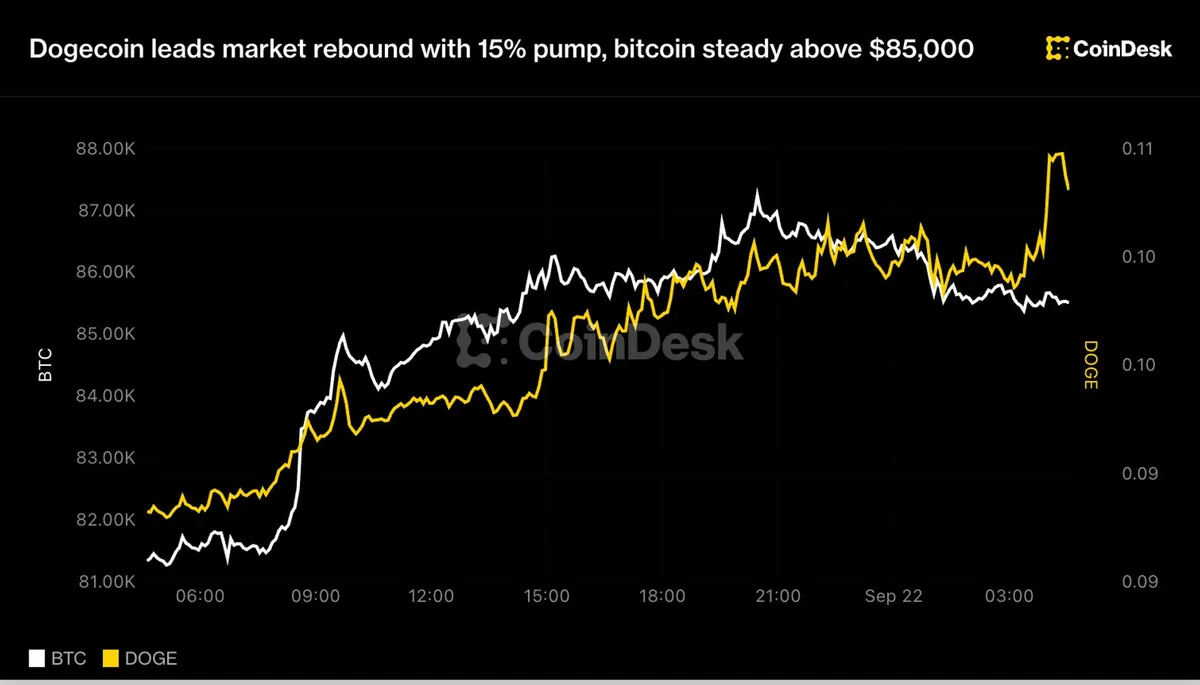
Dogecoin's 15% surge drives market recovery as bitcoin stabilizes above $85,000

Cardano adds tools for AI agent payments, joining Solana and XRP Ledger

Trueo prediction market moves from Base to Ethereum