Solana ecosystem expands institutional push with Europe-focused research arm

In a significant move to bolster its presence in Europe, Solana has announced the establishment of a Swiss-based research institute aimed at facilitating the integration of its blockchain technology within European financial institutions. This initiative also includes a practitioner guide designed to assist these institutions in assessing the benefits and functionalities of Solana's blockchain. As regulatory clarity improves and on-chain usage increases across the continent, this research arm seeks to provide critical resources and support for institutions considering adopting Solana's technology.
The decision to launch this research institute aligns with the growing trend of blockchain technology being embraced by traditional finance. Over the past few years, European regulators have been working to define and refine the frameworks surrounding digital assets, which has led to a more conducive environment for blockchain adoption. Solana, known for its high throughput and low transaction costs, aims to position itself as a favorable option for institutions looking to harness the power of blockchain without the typical limitations faced by other networks.
This development is particularly important for the broader market as it signifies a growing acceptance of blockchain by traditional financial players. With the establishment of a research institute, Solana is not only fostering knowledge but also actively working to build partnerships with key financial players in Europe. This could lead to increased adoption rates and more significant investments in the Solana ecosystem, potentially driving up demand for its native token, SOL, as well as positively influencing the overall crypto market sentiment.
Industry experts have largely welcomed this initiative, viewing it as a proactive step in bridging the gap between traditional finance and blockchain technology. Analysts suggest that the existence of a dedicated research arm can help demystify blockchain for financial institutions and promote a better understanding of its potential applications. This could also encourage more institutions to participate in the blockchain space, further validating the technology and signaling a shift towards a more integrated financial landscape.
Looking ahead, the success of the Swiss-based research institute will depend on its ability to provide actionable insights and support to financial institutions navigating the complexities of blockchain adoption. If Solana can effectively establish itself as a trusted partner for these institutions, it may pave the way for broader acceptance of its blockchain technology across Europe. This could not only enhance Solana's market position but also catalyze further developments in the crypto space as financial institutions increasingly seek innovative solutions to meet evolving consumer demands.

CoinMagnetic Team
Crypto investors since 2017. We trade with our own money and test every exchange ourselves.
Updated: April 2026
From our insights:
Related news
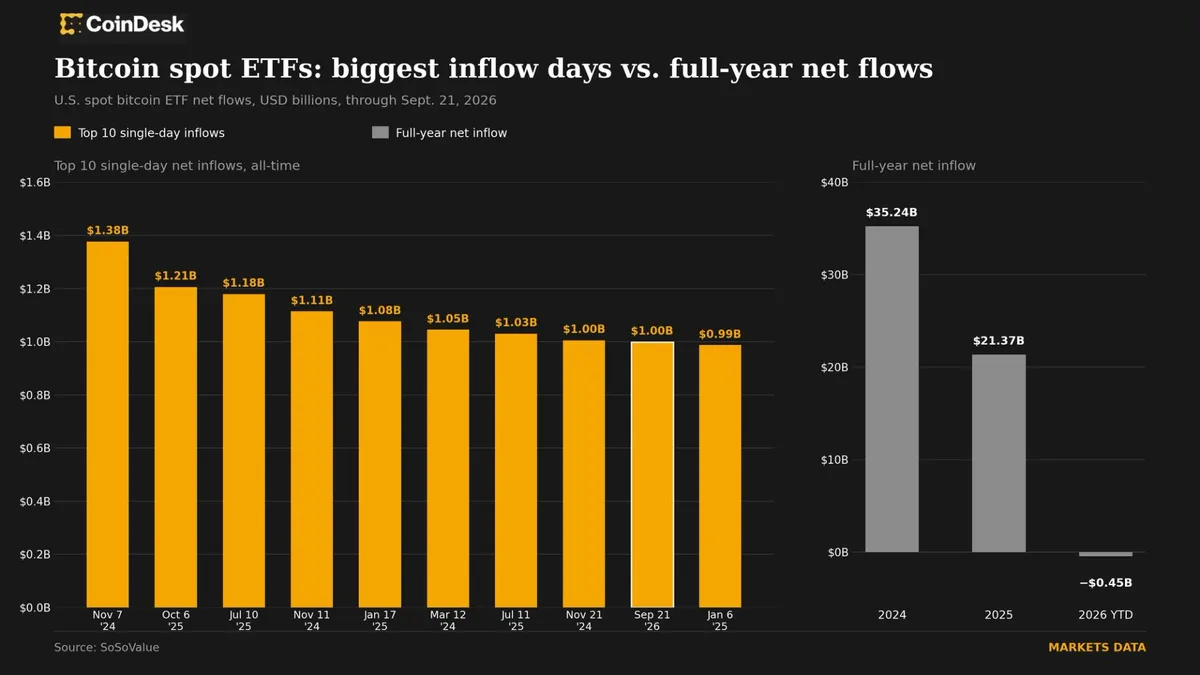
Spot bitcoin ETFs see nearly $1 billion inflow as bitcoin hits January highs

US spot Bitcoin ETFs see nearly $1 billion inflow, highest since October 2025

Bitcoin's rise to $86,000 restores profitability for ETF investors
Apple and Google seek crypto experts, signaling potential stablecoin initiatives

ECB initiates bond purchases using its own funds in crypto-linked system