Riot Platforms sells $290 million worth of bitcoin during Q1
Riot Platforms, a prominent player in the Bitcoin mining sector, has recently made headlines by selling approximately $290 million worth of Bitcoin during the first quarter of the year. This significant divestment is part of a broader trend among major Bitcoin miners, many of whom are reallocating their resources and capital toward artificial intelligence (AI) and high-performance computing (HPC) infrastructure. Riot's decision to liquidate such a substantial portion of its Bitcoin holdings has raised eyebrows and sparked discussions about the future of Bitcoin mining and investment strategies in the cryptocurrency space.
The backdrop to this move can be traced to the evolving landscape of the cryptocurrency market, where miners are increasingly facing economic pressures and changing market dynamics. As energy costs rise and competition intensifies, many mining companies are reassessing their operational strategies. The pivot towards AI and HPC infrastructure reflects a growing recognition of the lucrative opportunities presented by these rapidly advancing technologies. This shift not only highlights the changing priorities within the mining sector but also underscores the necessity for miners to adapt to the evolving technological landscape.
This divestment by Riot Platforms is significant for the broader market as it signals a potential shift in investor sentiment. The sale of such a large Bitcoin holding could indicate that miners are losing confidence in the short-term price trajectory of Bitcoin, prompting them to convert their assets into cash. Additionally, this trend raises questions about the future of Bitcoin as a store of value, especially if other miners follow suit. The sell-off could put downward pressure on Bitcoin prices, adding to the existing volatility in the market.
Industry experts have weighed in on Riot's decision, with some expressing concern about the long-term implications for Bitcoin miner profitability and sustainability. Analysts argue that while diversifying into AI and HPC can be a wise strategic move, it also raises questions about the commitment of these companies to the core business of Bitcoin mining. Others suggest that this shift could ultimately lead to more innovation within the mining sector, as companies explore new revenue streams and technologies.
Looking ahead, the key question remains: how will the market respond to these developments? As other miners assess their positions and consider similar divestments, we may see increased volatility in Bitcoin prices. Additionally, the continued integration of AI and HPC into the mining operations could lead to a transformative shift in the industry. Stakeholders will be closely monitoring these trends as they unfold, gauging the potential impacts on both the cryptocurrency market and the future of Bitcoin mining.

CoinMagnetic Team
Crypto investors since 2017. We trade with our own money and test every exchange ourselves.
Updated: April 2026
From our insights:
Related news
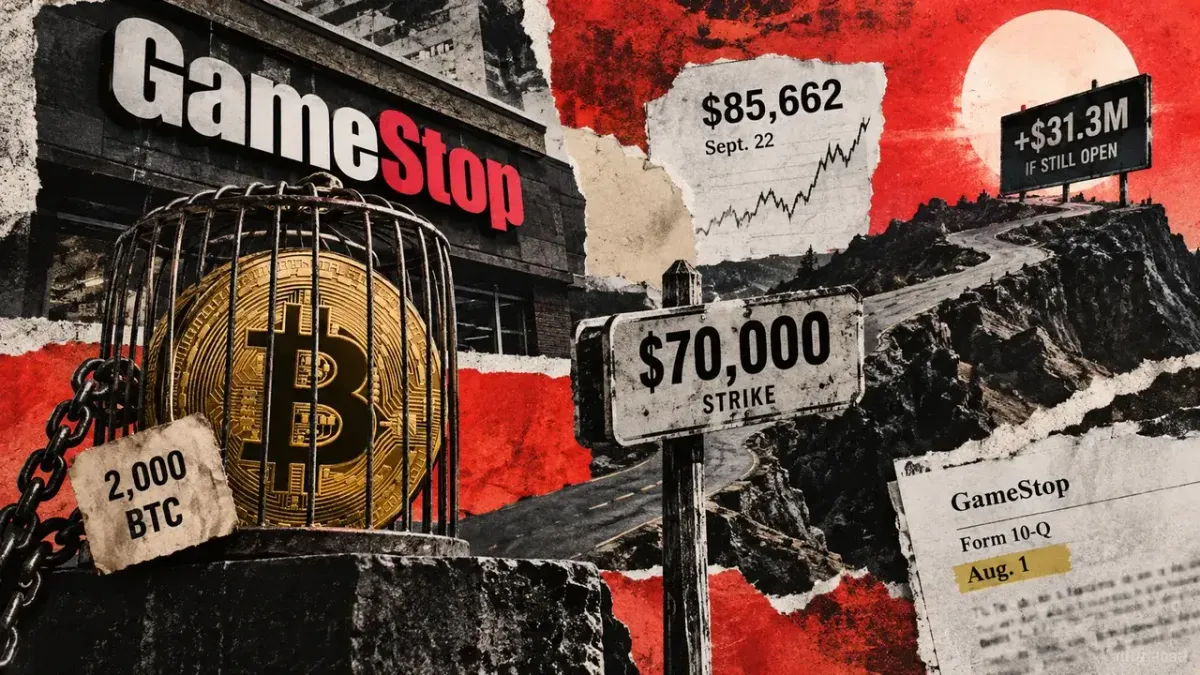
GameStop possibly forfeits $31 million in Bitcoin gains from options trade

Researchers trace 1.1 million Bitcoin to early miner but Satoshi's identity remains unclear
Bitcoin, ether perpetual volumes on Kalshi are dominated by an unusual, repetitive trade, data shows

Moscow Exchange introduces 5 crypto perpetual futures amid 600 billion ruble demand
SoFi begins stablecoin settlement on Mastercard network for program expected to exceed $25 billion in annualized volume